






The Modern Chess Paradox: Is the Race to India’s 100th Grandmaster Fueled by Talent or an “Expensive Racket”?
As India stands on the precipice of a historic milestone—the coronation of its 100th chess Grandmaster—the chess community is engaged in a fierce debate over the sport’s soul. What was once an exclusive fraternity of the intellectual elite has transformed into a high-stakes, commercialized ecosystem, prompting veteran players and rising stars to question whether the modern path to mastery is built on skill or an unfortunate racket.
The Dilution of a Title
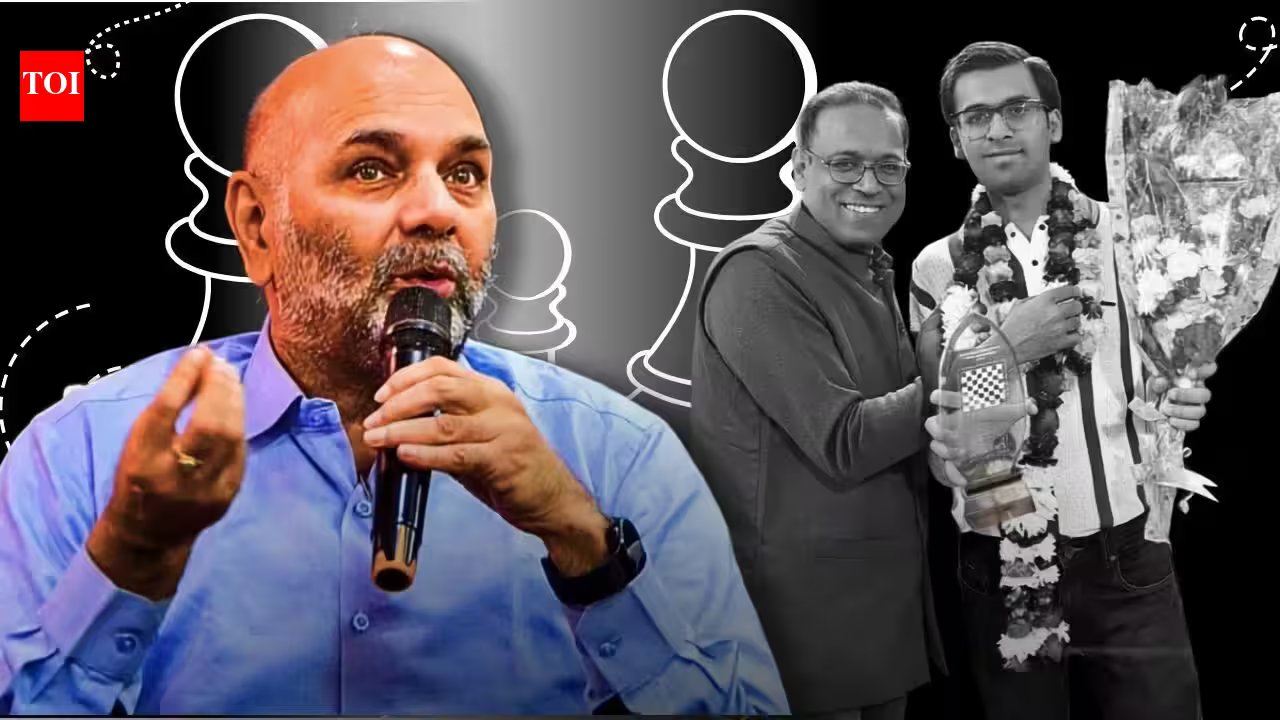
For those who remember the landscape of 1978, the title of Grandmaster (GM) was a rare badge of honor. As veteran Indian GM Pravin Thipsay points out, a 2600-rating performance in the late 70s was an achievement reserved for the top six or seven players in the entire world. Today, due to significant rating inflation and policy shifts—most notably under former FIDE President Kirsan Ilyumzhinov—the title has become significantly more accessible to accommodate global expansion.
“A 2600 performance in the 1980s was the equivalent of a 2750 rating today,” Thipsay notes. By lowering the barriers to entry, FIDE successfully expanded the sport’s footprint, but it also fundamentally changed the prestige of the title. With the number of GMs ballooning from fewer than 300 in 1997 to over 2,500 today, the definition of “mastery” has shifted.
The Commercialization of the Grassroots
The shift has sparked an “arms race” among parents of aspiring players. According to Thipsay, the egalitarian spirit of the sport, where players once gathered in dormitories to compete for the love of the game, has been replaced by expensive one-day tournaments with high entry fees.
This environment has fostered a culture of “complacency in mediocrity.” Parents, blinded by the ease of obtaining a low-level rating, often encourage children to abandon their education in pursuit of a dream that many are not equipped to reach. This has birthed a sprawling, largely unregulated coaching industry. Thipsay argues that much of the demand for high-priced coaching is artificial, designed to “spoon-feed” students rather than teach the vital skill of independent thinking.
The “Engine Era” Necessity
However, not all agree that coaching is merely a predatory tax on the wealthy. India’s 92nd Grandmaster, Aaryan Varshney, who reached the pinnacle with the help of his father rather than an expensive academy, offers a pragmatic counter-perspective.
While Varshney agrees that you don’t necessarily need an elite, high-priced coach to succeed, he argues that the “Engine Era”—the reliance on sophisticated chess software—makes it nearly impossible to navigate the game alone. “If you’re doing something yourself, something that might take five hours, a coach can get you to do it in one,” Varshney explains. In this view, a coach acts as a translator for complex computer analysis, condensing years of trial and error into manageable sessions.
A Balancing Act
As India prepares to hit the century mark of Grandmasters, the achievement is undeniably a testament to the country’s burgeoning chess talent. Figures like R. Praggnanandhaa and D. Gukesh prove that world-class talent remains the ultimate equalizer.
Yet, the questions raised by veterans like Thipsay remain critical. The challenge moving forward is ensuring that chess does not become a sport defined by the size of a family’s bank account. While a coach might offer a shortcut through the labyrinth of modern theory, the true mastery of the game—the ability to think independently—cannot be bought. As India enters this new era of chess dominance, the priority must shift back to nurturing minds rather than just fueling an industry.