








Air India Seeks $1.5 Billion Capital Injection as Turnaround Costs Mount
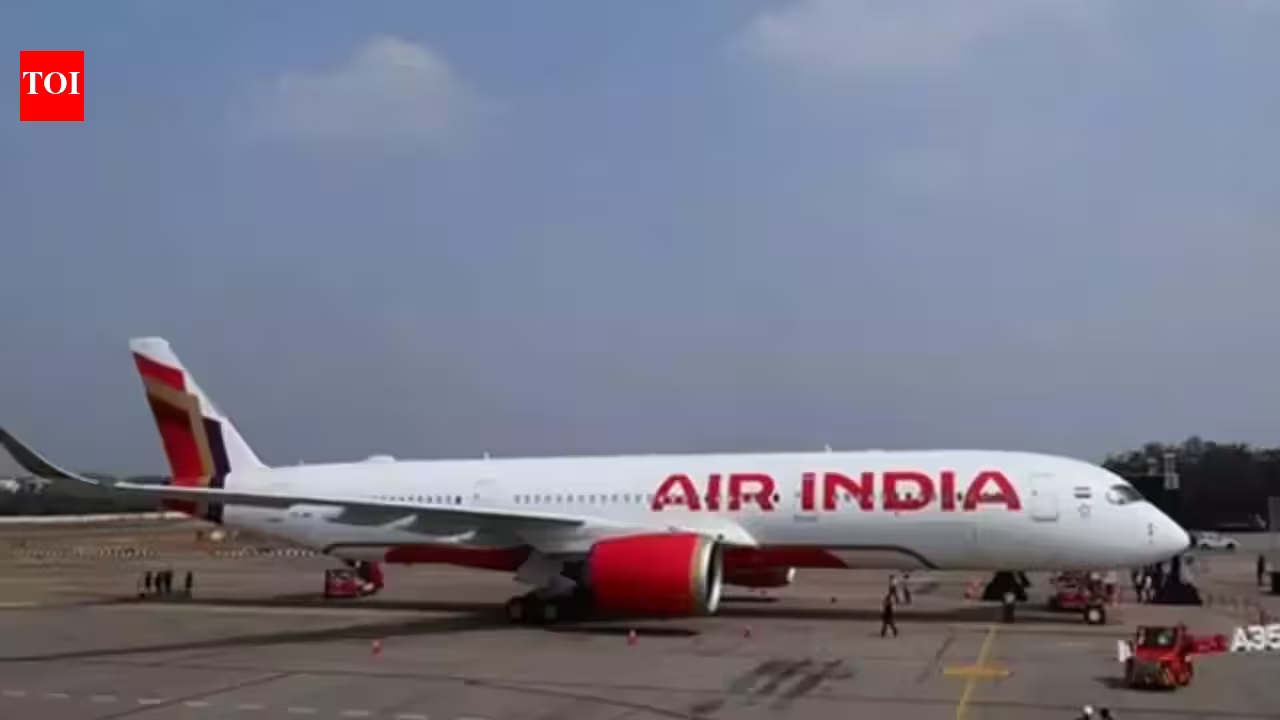
NEW DELHI/MUMBAI: In a significant development that underscores the hurdles facing the airline’s ongoing restructuring, Air India has returned to its shareholders seeking a fresh $1.5 billion in equity. The move comes more than a year after Tata Sons halted additional capital support, signaling that the airline’s turnaround effort is proving to be both slower and more expensive than initially projected.
The proposed funding—among the largest capital exercises since the Tata Group reacquired the former state carrier in 2021—will be injected in phases. As part of the agreement, co-owner Singapore Airlines is expected to contribute its 25% share of the requested amount.
Financial Strain and Strategic Delays
The fresh demand for capital follows a challenging fiscal year. Air India recently reported a record loss of Rs 22,238 crore for FY2026, a figure that more than doubles the previous year’s deficit and marks the largest loss among all Tata Group companies.
While Tata Sons’ investment in the airline remained stagnant at Rs 22,618 crore throughout FY2026, it appears that internal resources and debt arrangements are no longer sufficient to sustain the next stage of the carrier’s transformation. During the period where equity infusion was paused, the airline relied heavily on external borrowings, according to sources familiar with the matter.
A Decade-Long Transformation
The funding request was a focal point of recent high-level discussions, including a Tata Sons board meeting in June chaired by N Chandrasekaran. The meeting took place against a backdrop of intensifying internal pressure, as Mr. Chandrasekaran prepares to step down as chairman in February 2027. His tenure has been marked by internal discourse regarding the carrier’s mounting fiscal pressures.
Mr. Chandrasekaran has previously cautioned that the turnaround of the airline could take up to a decade. He cited a “perfect storm” of challenges, including:
- Systemic Overhauls: The massive task of replacing legacy systems, corporate culture, and outdated fleet structures.
- Operational Headwinds: The airline has been disproportionately impacted by the closure of Pakistani airspace since last April, which has significantly hampered its profitable routes from Delhi to North America.
- Supply Chain Disruptions: Delays in aircraft deliveries have forced the airline to reconsider its fleet expansion timeline.
Fleet Expansion vs. Fiscal Reality
In a move to manage mounting losses, Air India has sought to defer deliveries of hundreds of jets currently on order from aviation giants Airbus and Boeing. The strategy, presented by former CEO Campbell Wilson at a May board meeting, aimed to reconcile the urgent need for fleet modernization with the stark realities of the airline’s balance sheet.
As the airline navigates this complex phase, the outcome of this $1.5 billion funding round will be a critical indicator of shareholder confidence in the long-term feasibility of the Tata-led turnaround plan. Neither Air India nor Tata Sons provided immediate comments on the developments.