







Beyond the Rakhi: How Bollywood is Rewriting the Sibling Narrative
For decades, the Indian cinematic landscape was dominated by a singular, rigid script for the brother-sister relationship. The template was iconic: the brother was the stoic protector, and the sister was the vulnerable protectee. This dynamic—often punctuated by the sentimental strains of “Bhaiya Mere Rakhi Ke Bandhan Ko Nibhana”—became a staple of Bollywood, particularly in the 1980s, when a hero’s masculinity was measured by his ability to shield the women in his family from the world’s perceived evils.
However, as society has evolved, so too has the silver screen. Today, Hindi cinema is moving away from these manufactured tropes, opting instead to explore the nuanced, lived-in reality of sibling bonds.
Breaking the Protector-Protectee Mold
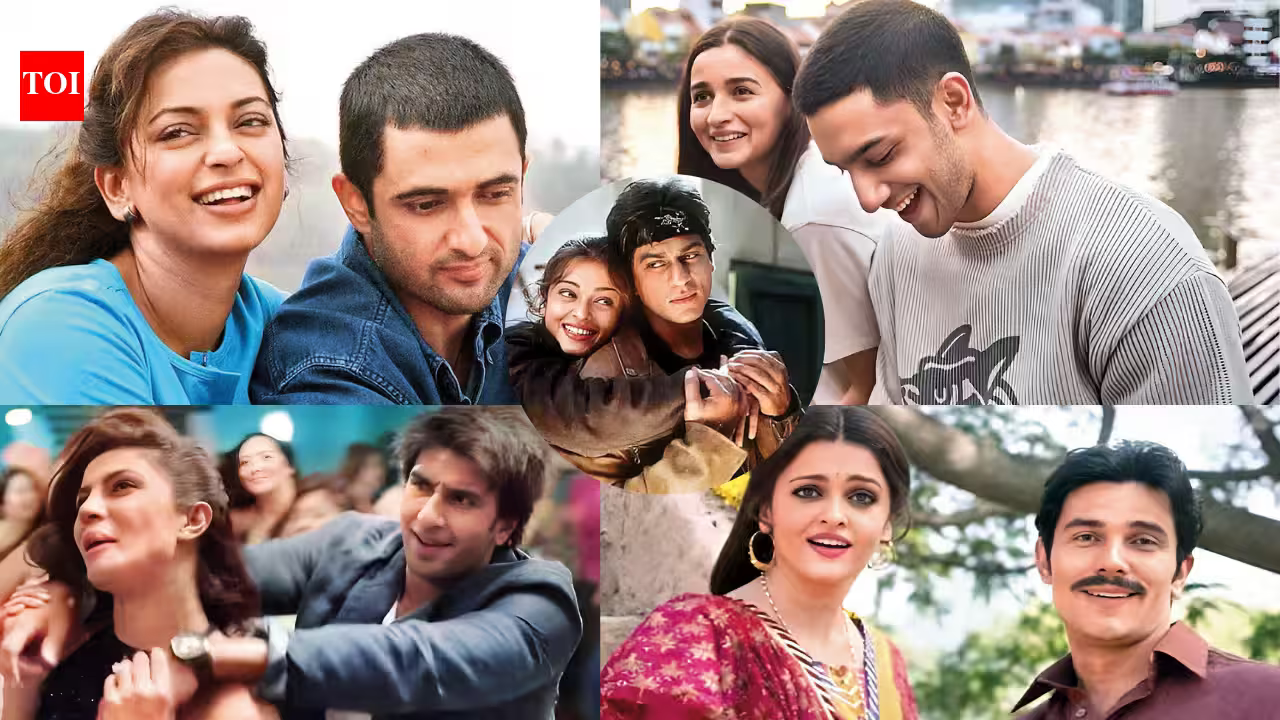
The shift has been gradual, transitioning from the overt protectiveness seen in films like Josh (2000) to the more empathetic portrayals in Dil Dhadakne Do (2015), where a brother prioritizes his sister’s agency over simply “rescuing” her.
Writer Aatish Kapadia, who penned the dialogues for Josh, notes that the industry’s greatest weakness was its penchant for “cloying sweetness.”
“You have this idea that the sister will chase her brother, he will protect her, and everything culminates around Raksha Bandhan,” Kapadia observes. “I’m not saying those relationships don’t exist, but every sibling connection doesn’t fall into the same category. Furthermore, we rarely see the trope of the younger brother, because the culture is obsessed with the elder-brother archetype. It’s a classic, but limiting, stereotype.”
The Rise of the Female Protector
Perhaps the most significant change is the subversion of roles, where the sister steps into the position of the active savior.
In the 2024 film Jigra, Alia Bhatt’s character doesn’t wait for rescue; she dismantles an entire system to save her brother. This narrative courage traces back to earlier works like Onir’s My Brother… Nikhil (2005), where Juhi Chawla’s Anamika remains the primary pillar of support for her brother amidst societal isolation.
“Usually, in Hindi films, you see the brother as the protector,” says director Onir. “But for me, the sister is the more active person. In My Brother… Nikhil, there’s a heartbreaking Raksha Bandhan scene, but the core of the film is about friendship and deep, unwavering bonding.”
This “sister-as-protector” dynamic reached an emotional peak in Sarbjit (2016). Director Omung Kumar explains that while the film was set against the backdrop of an international crisis, its heartbeat was the “very ordinary, deeply human bond” between Dalbir Kaur and her brother. “I wanted the audience to see them as siblings first—to understand their memories, their disagreements, and the familiarity that exists between two people who have grown up together,” Kumar says.
The Art of Casting
As filmmakers lean into more realistic portrayals, the logistics of casting have become paramount. Casting director Harry Parmar, who worked on the film Raksha Bandhan, emphasizes the importance of chemistry and perception.
“When casting a sibling story, we look for actors who have never been seen as a romantic pair,” Parmar explains. “We also prefer real-life siblings when possible, as there is an inherent familiarity that cannot be faked. The casting has to feel balanced; neither sibling can feel like an accessory to the other.”
A New Chapter
By moving beyond the traditional script, modern Hindi cinema isn’t necessarily rejecting the concept of protection. Instead, it is recognizing that love between siblings is multifaceted. Sometimes, the person who holds you up is the very person you were once expected to protect. As the industry continues to explore these complexities, audiences are being treated to stories that feel less like predictable templates and more like the authentic, messy, and beautiful reality of family.
Notable films pushing the narrative forward:
- Jigra (2024)
- Raksha Bandhan (2022)
- Sarbjit (2016)
- Dil Dhadakne Do (2015)
- My Brother… Nikhil (2005)
- Josh (2000)