






Climate Crisis vs. Political Stagnation: France Faces a Reckoning Ahead of 2026 Presidential Elections
As France emerges from a summer of historic wildfires, record-breaking heatwaves, and devastating droughts, the nation’s political class is facing intense scrutiny. With the presidential election on the horizon, experts warn that the chasm between the reality of climate collapse and government policy has never been wider.
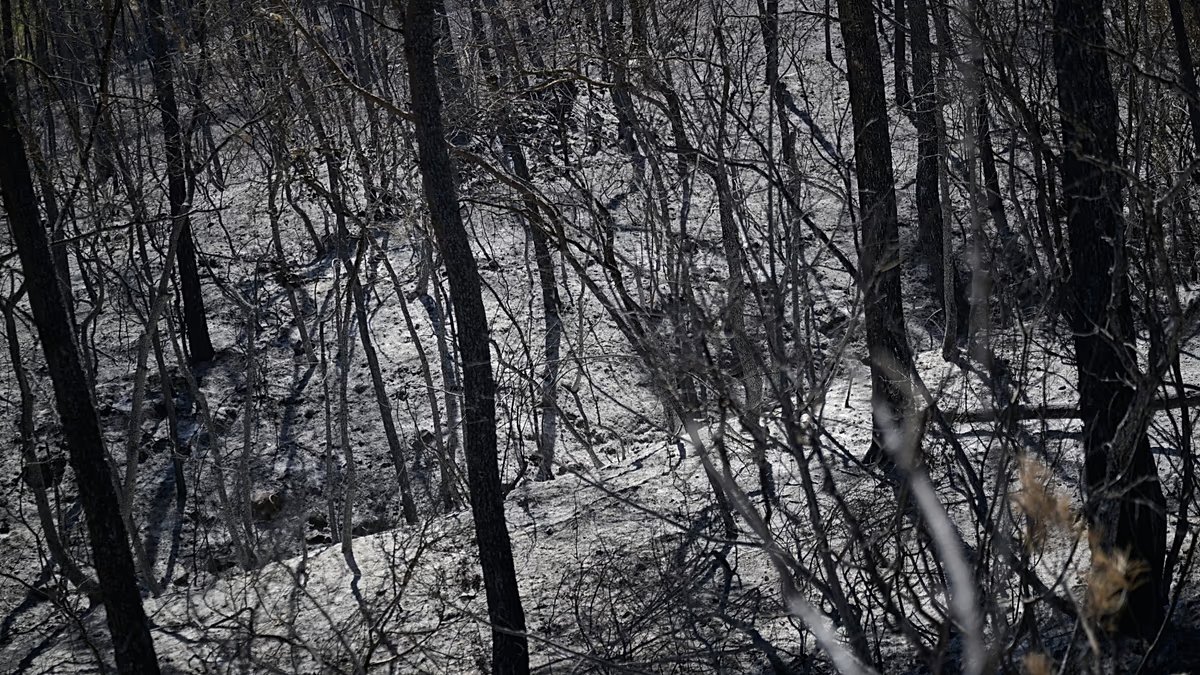
France has been battered by the elements throughout 2026. From the scorched forests of Gironde, the Landes, and the Var to agricultural sectors reeling from severe water scarcity, the physical landscape of the country is changing. This follows a winter defined by relentless storms and flooding, a stark reminder that the nation is increasingly vulnerable to extreme weather volatility.
Yet, as the country heads toward a crucial presidential race, environmental advocates argue that the political establishment remains dangerously detached from this new, harsh reality.
A Disconnected Political Class
A recent survey by Ipsos highlights the depth of public concern: 64% of French citizens report feeling “anxiety or fear” regarding the health risks posed by the current climate trajectory. Despite this, experts from the NGO Réseau Action Climat argue that successive governments have failed to implement the radical adaptations required to mitigate these threats.
Anne Bringault, program director at Réseau Action Climat, notes that the political response has been tepid at best. “Faced with an unprecedented challenge for humanity and biodiversity, the political response seems nowhere near matching the expectations of the French people,” she told Euronews.
This sentiment was echoed by Jean-Marc Jancovici, founder of the Shift Project, who accused the political elite of living in a state of “denial,” characterized by a failure to integrate the reality of planetary boundaries into their campaign platforms.
The Problem with “Fact-Only” Discourse
Eva Morel, secretary-general of the advocacy group QuotaClimat, suggests that part of the failure lies in the nature of public debate. When disasters strike, media coverage and political discourse often focus exclusively on the symptoms—the fires and the droughts—rather than the root causes, such as the continued reliance on fossil fuels.
“We cannot hope for a constructive debate if we talk only about the facts and do not try to understand what lies beneath,” Morel argues. She contends that because the media generally treats any climate-related statement from politicians with a degree of leniency, there is little incentive for candidates to craft genuinely ambitious or structural environmental policies.
Electoral Opportunism and Obstructionism
As the election approaches, the political divide remains stark. While left-wing platforms historically lean into climate-heavy agendas, analysts worry that this is often driven by electoral opportunism rather than deep-seated policy reform. On the right, environmental issues are frequently treated as a secondary concern, or ignored entirely in favor of traditional issues like immigration.
The Rassemblement National (RN) has come under particularly sharp fire from climate experts. Observers describe the party’s sudden interest in environmental issues as purely performative. Anne Bringault argues that the RN is “hurriedly dressing itself up in green” by pushing simplistic, unfeasible solutions—such as universal air conditioning—to distract from the lack of a coherent environmental strategy.
Moreover, experts fear that these parties are engaging in deliberate disinformation. By obstructing the implementation of evidence-based policies, such as Low Emission Zones (ZFE), and demonizing environmental advocates, these political actors are accused of stalling progress at the exact moment the country needs to accelerate its adaptation.
An Urgent Need for Action
With millions of French citizens experiencing “eco-anxiety”—including over 400,000 people whose mental health is considered at risk by these environmental pressures—the pressure is mounting. The scientific consensus, long established by the IPCC, has shifted from a warning to a call for immediate, structural change.
As the 2026 campaign cycle intensifies, the question remains whether the French electorate will force its leaders to address the climate crisis with the urgency it demands, or if the political class will continue to treat the most significant challenge of our time as a peripheral issue to be managed through rhetoric rather than action.