






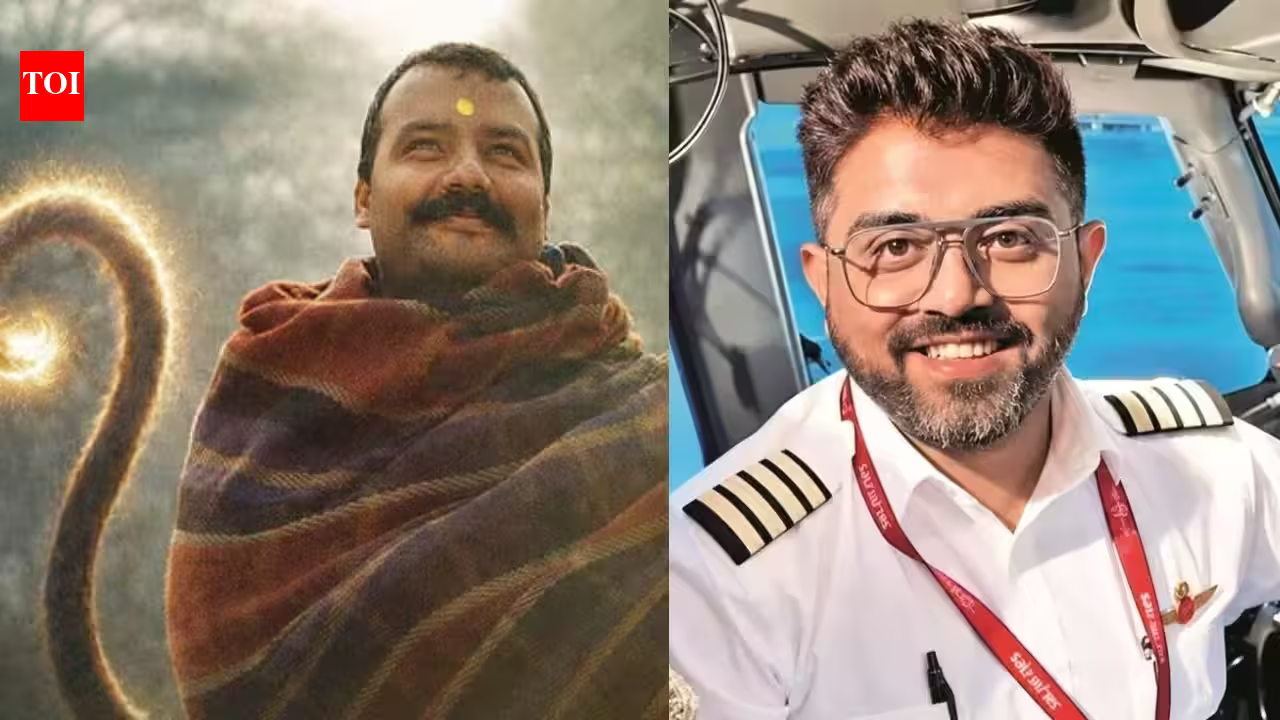
In the fast-paced, often cynical world of modern aviation and digital media, it is rare for a story to cut through the noise and strike a chord that resonates with both the adrenaline of a thriller and the quiet sanctity of a prayer. Yet, that is exactly what happened when Captain Smit Machchhar opened up about his harrowing experience aboard flydubai flight FZ1073.
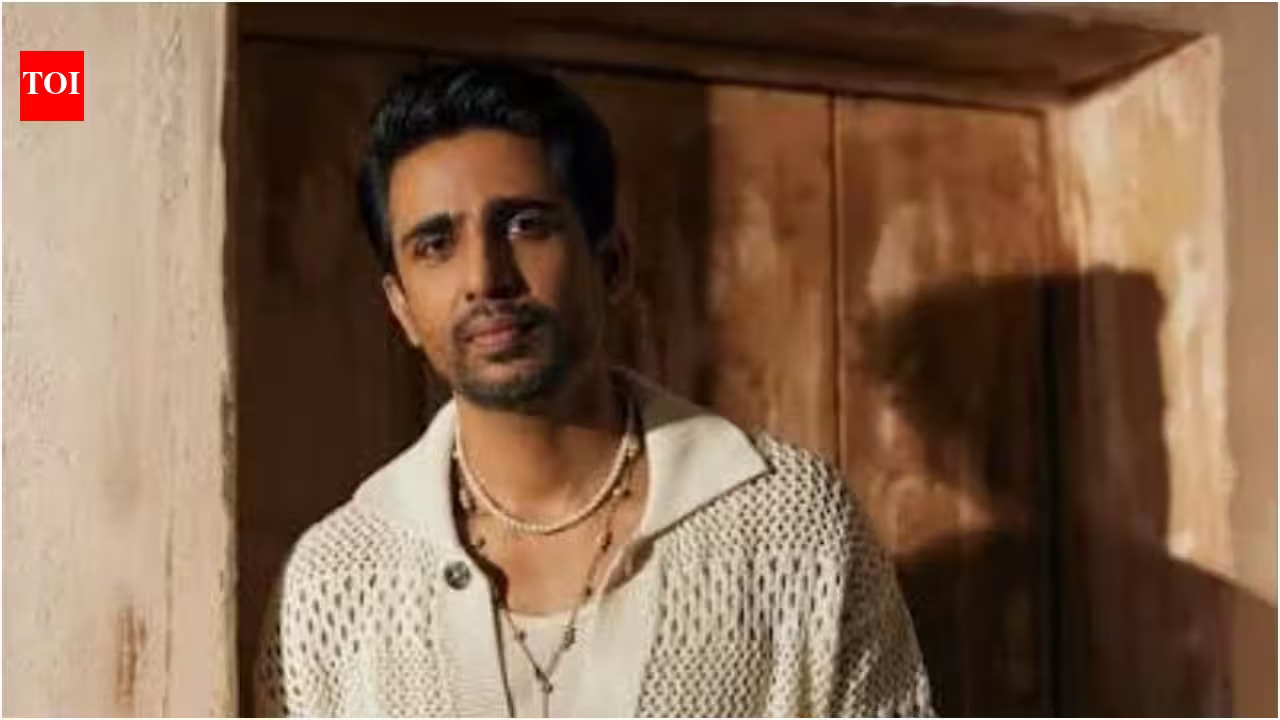
For actor Shobhinaw Satyaa, known for his compelling portrayal of Neem Karoli Baba in the series Hanuman Ansh, the pilot’s story wasn’t just a report of an inflight emergency; it was a profound spiritual validation. As the actor recently noted, Machchhar’s account of surviving a midair attack while reciting the Hanuman Chalisa has become a bridge between modern-day heroism and the timeless strength of faith.
The Heroism Hidden in Plain Sight
The incident, which took place on September 30, sounds like the script of a high-stakes blockbuster. Captain Machchhar was piloting a flight carrying 174 passengers destined for Israel when his co-pilot, an Omani national, reportedly launched an unprovoked attack against him using a crash axe—a tool designed for cockpit emergencies.
While investigators continue to parse the murky motives behind such a violent outburst, the public’s attention has been captivated by what happened inside the cockpit. Amidst the chaos and the threat of catastrophic failure, Machchhar relied on more than just his flight training. He reached for his faith. For Shobhinaw Satyaa, this revelation was a visceral reminder that the heroes of folklore are not confined to the pages of history books.
“We have grown up listening to stories of bravery,” Satyaa remarked during a recent India Today event. “But those stories often made us feel that such things happened a long time ago. Incidents like these remind us that heroes still exist in the present day.”
Faith at 30,000 Feet
What separates Captain Machchhar’s narrative from other survival stories is his open admission of how he braced for the worst. In a widely discussed virtual interaction with Prime Minister Narendra Modi, the pilot revealed a deeply personal detail: he makes it a habit to recite the Hanuman Chalisa daily with his son.
When the cockpit turned into a site of struggle, that habit—a rhythmic, grounding practice of faith—became his lifeline. For Satyaa, who inhabits the character of a spiritual figure on screen, the pilot’s admission was incredibly moving.
“The bigger thing was that he also made us realize the power of the Hanuman Chalisa,” the actor shared. “When that man recited the Hanuman Chalisa there, he touched upon something that is a matter of faith for us.” In an era where public figures often shy away from expressing overt religious devotion for fear of alienation, Machchhar’s unapologetic stance has struck a chord with millions. To Satyaa, this wasn’t just a pilot speaking; it was a testament to the fact that faith is not merely a practice for peaceful times, but a shield for the most desperate moments.
Bridging the On-Screen and Off-Screen World
There is a poetic irony in the fact that Shobhinaw Satyaa, an actor currently exploring the life of Neem Karoli Baba—a saint whose teachings focus heavily on devotion and the unconditional nature of love—is the one championing this story. Satyaa admits that hearing the pilot’s experience didn’t just move him; it compelled him to act.
Immediately following the Prime Minister’s interaction with the pilot, Satyaa took to social media to share his thoughts. “I thanked him a lot for bringing this out in the open,” the actor said. “He made our faith, which was already so strong, even more unshakeable.”
For Satyaa, the connection is clear: his work on Hanuman Ansh is an exploration of the divine, but the Captain’s story is the real-world application of that divinity. It validates the reason why these stories are told in the first place—to show that when a person is pushed to the absolute edge of their physical and emotional capacity, the things they hold most sacred are the last things to leave them.
The Cultural Impact of the ‘Hanuman Ansh’ Actor’s Endorsement
The intersection of popular entertainment and real-world spirituality is a powerful space. When an actor known for a specific type of spiritual role weighs in on a high-profile news event, it inevitably elevates the narrative from a standard “news item” to a cultural “moment.”
Satyaa’s vocal support for Captain Machchhar does more than just offer praise for a pilot’s bravery; it frames the entire incident through a lens of resilience. By aligning his public persona with the pilot’s experience, Satyaa has helped turn a story of terrifying violence into a narrative of survival and spiritual strength. In the process, the Hanuman Chalisa has been brought back into the national discourse, not just as a prayer, but as a symbol of the mental fortitude required to navigate the crises of the modern age.
Why We Still Need These Stories
In the wake of the incident, the aviation community remains shocked by the breach of security, and investigations are ongoing to determine how such an act of aggression could have transpired. Yet, for the public, the technicalities of cockpit security protocols are secondary to the humanity of the story.
We look for leaders and figures who possess not just skill, but an inner core—an “ansh” or fragment—of something greater. Captain Machchhar’s experience, as highlighted by Shobhinaw Satyaa, provides exactly that. It is a reminder that even in the cold, sterile environment of a modern cockpit, human nature—with all its capacity for violence and its potential for transcendent faith—is always present.
As the legal and investigative processes continue, the story of the pilot who kept his cool and his faith will likely be remembered long after the headlines fade. It serves as a modern parable for a world that feels increasingly volatile: that in the face of the unexpected, the armor we wear is not just the equipment we manage, but the values we keep close to our hearts. Whether you view it through the lens of a pilot’s professional composure or an actor’s spiritual devotion, the message remains the same: even at the highest altitudes, the most powerful force in the cabin is the human spirit.
Disclaimer: This content is auto-generated for informational purposes only.
Source: Read Original News