








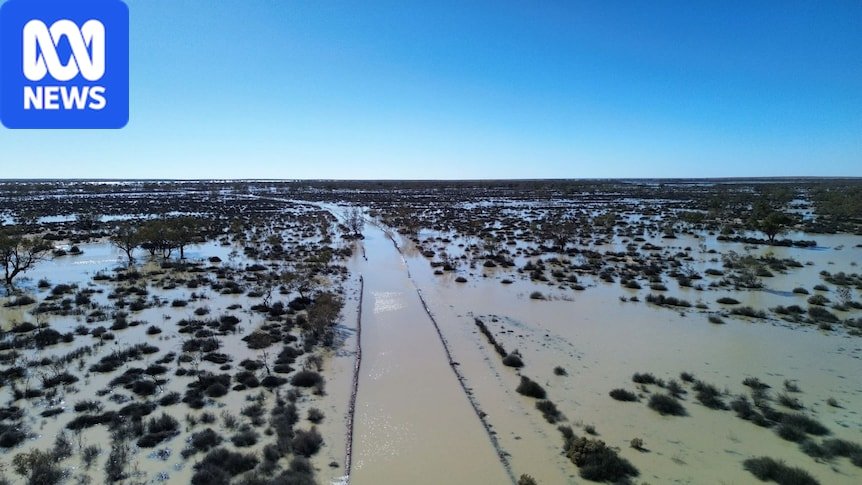
The Birdsville Track, one of Australia’s most celebrated outback arteries, is facing an unprecedented crisis. Stretching over 500 kilometres from Marree in South Australia to Birdsville in Queensland, the unsealed route has been shuttered for a staggering 400 days over the last two years. As record-breaking rainfall and persistent flooding continue to turn the red dirt into impassable bog, remote businesses are being pushed to the brink of collapse, highlighting a growing disconnect between physical infrastructure and the digital tools that modern travelers rely on to navigate it.
## The Digital Divide: Why Real-Time Data Matters
For operators like the Mungerannie Hotel and the Marree Roadhouse, the closure is not just a logistical hurdle—it is an existential threat. These businesses depend on a steady stream of tourists and the reliability of supply chains to remain viable. In an era where travelers rely heavily on Google Maps, Waze, and other navigation suites, the “Road Closed” status on the Birdsville Track creates a digital barrier that often lasts longer than the actual physical obstructions.
When major thoroughfares like the Birdsville Track remain offline for months, local businesses suffer from a lack of visibility. While Google and other tech giants work to integrate real-time government road data into their navigation platforms, the sheer volume of closures in remote Australia often overwhelms automated systems. For business owners, the inability to signal their status effectively via digital maps means that even when parts of the track become temporarily accessible, tourists may avoid the region entirely, assuming the entire route is still submerged.
## Tech-Driven Resilience in Remote Regions
The struggle to keep the track open also exposes a technological gap in remote maintenance. The South Australian Department for Infrastructure and Transport has noted that local material pits—which are essential for road repairs—have themselves become flooded “dams.”
While artificial intelligence and satellite imagery are increasingly being used by transport departments to map flood damage and coordinate repair logistics, the physical reality of the outback remains a formidable challenge. Experts suggest that the next phase of outback infrastructure management could involve AI-driven predictive maintenance. By utilizing satellite data to track moisture levels and vegetation growth along the 500-kilometre stretch, authorities might eventually be able to forecast potential washouts before they occur, allowing for proactive, rather than reactive, maintenance.
## The Economic Impact of “Connectivity”
The human cost of these closures is profound. Lyall Oldfield, owner of the Marree Roadhouse, notes that his trade has plummeted to one-third of his typical volume. For businesses that rely on the flow of cattle and the influx of adventure tourism, the road is their lifeline. As these businesses seek to survive, they are increasingly turning to social media and localized travel apps to manually update their status, essentially acting as their own “live data providers” when official channels lag.
As the Department for Infrastructure and Transport continues to assess the massive scope of the work required to stabilize the road, the reliance on technology to keep the community connected is more important than ever. From water delivery logistics to the simple act of letting a tourist know a pub is open, the survival of the Birdsville Track isn’t just about moving dirt—it’s about ensuring that the digital map of Australia reflects the resilience and reality of those who call the outback home. Until the infrastructure is fortified against the changing climate, remote business owners remain stuck in a loop of waiting for the water to recede, hoping for a return to the consistent connectivity that drives their livelihood.
Disclaimer: This content is auto-generated for informational purposes only.
Source: Read Original News