







Woolworths Market Value Soars as Ooshies Promotion Drives Annual Profit Surge
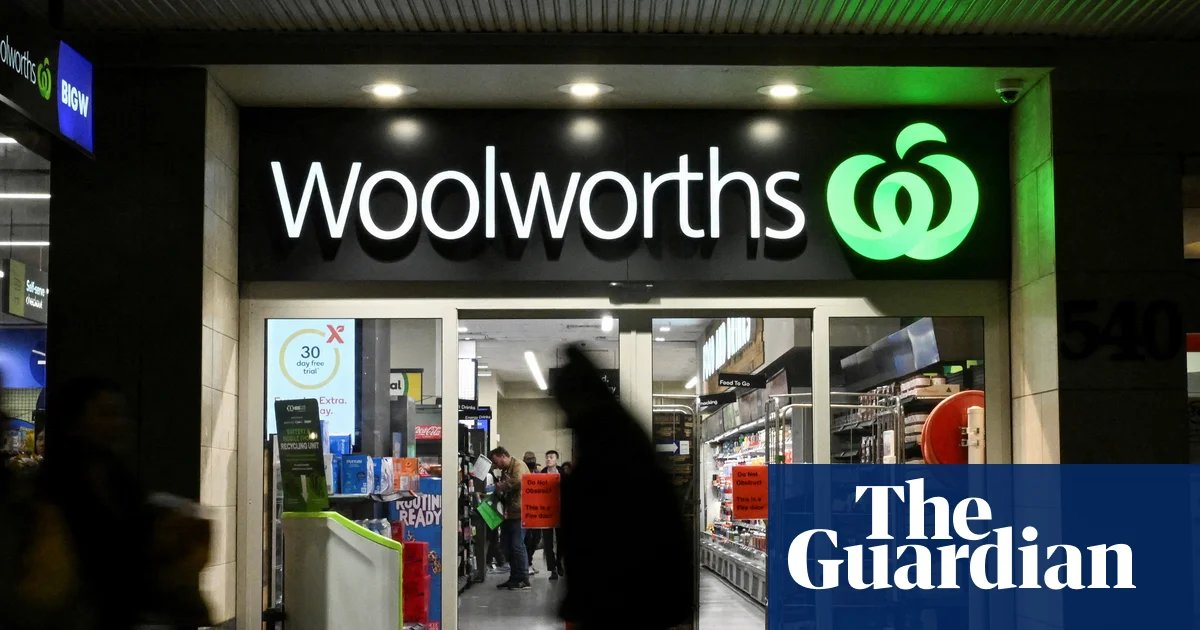
Woolworths has delivered a robust financial performance for the year ending in June, reporting a $175 million jump in net profit to $1.14 billion. The result, buoyed by the runaway success of its Disney Ooshies loyalty campaign, sparked a market rally that saw the retail giant’s value climb by $2 billion, briefly pushing its market capitalization past the $50 billion threshold—a milestone not reached since 2021.
Growth Across the Board
The company’s Australian supermarket division served as the primary engine for this growth, with sales rising 4.6% to reach $53.85 billion. Profit margins within the division expanded from 5.3% to 5.5%, while total pre-tax earnings surged by $232 million, surpassing $2.95 billion. Online performance also provided a significant lift, with sales jumping 15.9% as the company accelerated the rollout of on-demand delivery and in-store pick-up options.
The strong showing from Woolworths follows a similarly profitable report from competitor Coles, which saw its own supermarket margins rise to 5.7%. Together, these figures have reignited discussions regarding the grocery duopoly’s performance during a period of sustained economic strain.
Defending Profitability Amid Cost-of-Living Pressures
Both retailers have faced significant public and political scrutiny over fattening profit margins during a period of high inflation, which hit 3.8% in the year to June. Critics argue that these gains have come at the expense of struggling shoppers and squeezed suppliers.
However, Woolworths chief executive Amanda Bardwell has pushed back against the narrative that margins were boosted by hiking shelf prices. Instead, she attributed the rise to increased sales volume and aggressive internal cost-cutting, including a reduction in “stock loss” through the installation of new security gates at exits. Bardwell also noted that the company is exploring the integration of facial recognition technology to further mitigate theft, with a pilot program currently underway in New Zealand.
Regarding the current economic climate, Bardwell highlighted a “new reality of entrenched value seeking” among consumers. “We’ve moved beyond a temporary phase into a new reality of entrenched value seeking,” she told reporters.
The Ooshies Effect
A major contributor to the recent sales spike was the return of the Disney Ooshies collectables campaign. The promotion proved to be a powerful draw for families, contributing an estimated $120 million boost to sales—representing roughly 2% of the supermarket’s growth in recent months.
The campaign’s success, however, was clearly felt by competitors. The surge in foot traffic at Woolworths coincided with a noticeable sales slump at Coles, as shoppers flocked to secure the blind-bag toys. Despite the craze, Bardwell confirmed that such campaigns will not become a permanent feature of the business model. “We don’t think we need to be running them all the time,” she stated.
A Measured Outlook
While Big W returned to profitability this year—recording $64 million in pre-tax earnings compared to a $33 million loss the previous year—the department store chain has seen a recent softening in sales, which Woolworths blamed on the continued impact of cost-of-living pressures on budget-conscious households.
Industry analysts remain cautious about the future trajectory of these margins. Jamie Hannah, deputy head of investments at VanEck Australia, suggested that the company will likely focus on modest, incremental growth. “They’re just under increasing scrutiny, so they can’t really go increasing margins on [a] huge scale,” Hannah said.
As the retail sector navigates this complex environment, investors are watching closely to see if the Woolworths profit growth can be sustained without further inflaming public tensions over grocery pricing.