





A Nation in the Crosshairs: France Faces a Climate Reckoning Ahead of Presidential Polls
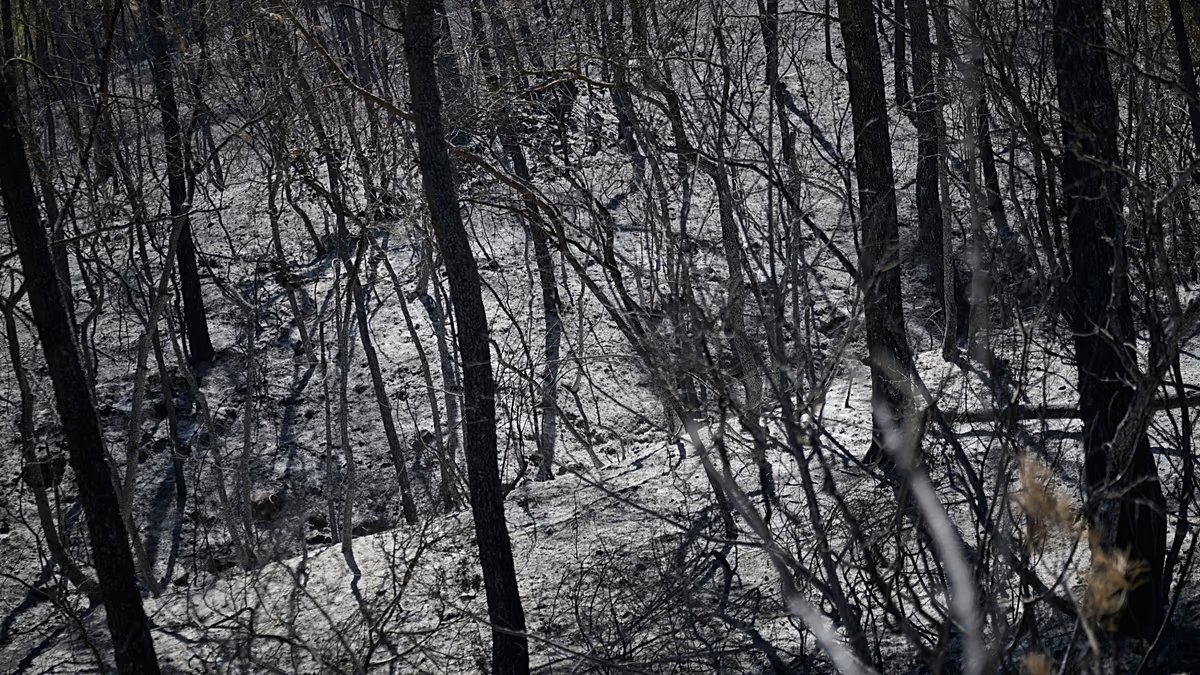
France is reeling from a summer of unprecedented climatic extremes. From the scorched forests of Gironde, the Landes, and the Var to the relentless heatwaves that have gripped the nation, the country is grappling with a new, harsh reality. A severe drought has devastated agricultural sectors, while the memory of last winter’s relentless floods—driven by a succession of storms named Goretti, Ingrid, Nils, and Pedro—remains fresh in the public consciousness.
As France approaches a critical presidential election, these environmental crises have moved from the periphery to the center of the political stage. Yet, as the climate landscape shifts, experts warn that the political response remains dangerously disconnected from reality.
A Growing Crisis of Eco-Anxiety
The psychological toll of these recurring disasters is profound. A recent Ipsos survey revealed that 64% of French citizens experienced anxiety or fear regarding the health of their loved ones this summer, while 48% expressed concerns for their own well-being.
This anxiety is not merely transient; it is becoming a public health crisis. Data from ADEME suggests that 6.3 million French people suffer from moderate eco-anxiety, with a concerning 420,000 individuals reporting symptoms severe enough to put their mental health at genuine risk.
Despite this, NGOs like Réseau Action Climat argue that successive governments have failed to enact the structural changes necessary to adapt the country to a warming world. “France no longer has a choice: it has to adapt, and quickly,” says Anne Bringault, program director at the NGO.
The Great Political Disconnect
Critiques of the current political class are scathing. Jean-Marc Jancovici, founder of the climate-transition think tank The Shift Project, argues that politicians are currently operating in a state of “denial.” According to Jancovici, the platforms of leading candidates are riddled with inconsistencies and fail to acknowledge the fundamental, structural changes required to survive the coming decades.
Eva Morel, secretary-general of the association QuotaClimat, suggests that the failure is systemic. “Elections are moments where ecology struggles to find a way through,” she says. Morel notes that political debates during disaster-heavy summers often focus on the superficial observation of events rather than the underlying causes—specifically, the reliance on fossil fuels.
Obstruction and Opportunism
The political response varies across the spectrum, but critics find shortcomings in every camp:
- The Right and Center: Critics argue that right-leaning parties often treat the climate as a secondary concern, preferring to pivot to traditional political wedge issues like immigration.
- The Left: While environmental programs on the left are generally more robust and scientifically aligned, experts warn that electoral opportunism in the race for “green” voters often clouds the development of genuinely transformative policy.
- The Rassemblement National (RN): The far-right party faces accusations of “greenwashing” and spreading misinformation. Experts argue the RN uses climate topics purely for opportunistic gain, pushing simplistic, unrealistic solutions—such as universal air conditioning—while working to obstruct meaningful public policy, such as low-emission zones.
A Call for Substance
As the presidential race heats up, the gulf between scientific consensus and political rhetoric continues to widen. With climate change manifesting in the destruction of homes, the loss of livelihoods, and the degradation of the natural world, the demand for a serious, science-based debate has never been louder.
For observers like Morel, the danger is that political maneuvering and the demonization of climate advocates will continue to delay the implementation of effective, necessary solutions. “We cannot hope for a constructive debate if, when disasters occur, we talk only about the facts and do not try to understand what lies beneath,” she concludes. For the millions of French citizens currently anxious about their future, the question remains: will their leaders finally face the fire?