







Colombo Draw Feels Like Defeat for India as Sri Lanka Stalls WTC Final Ambitions
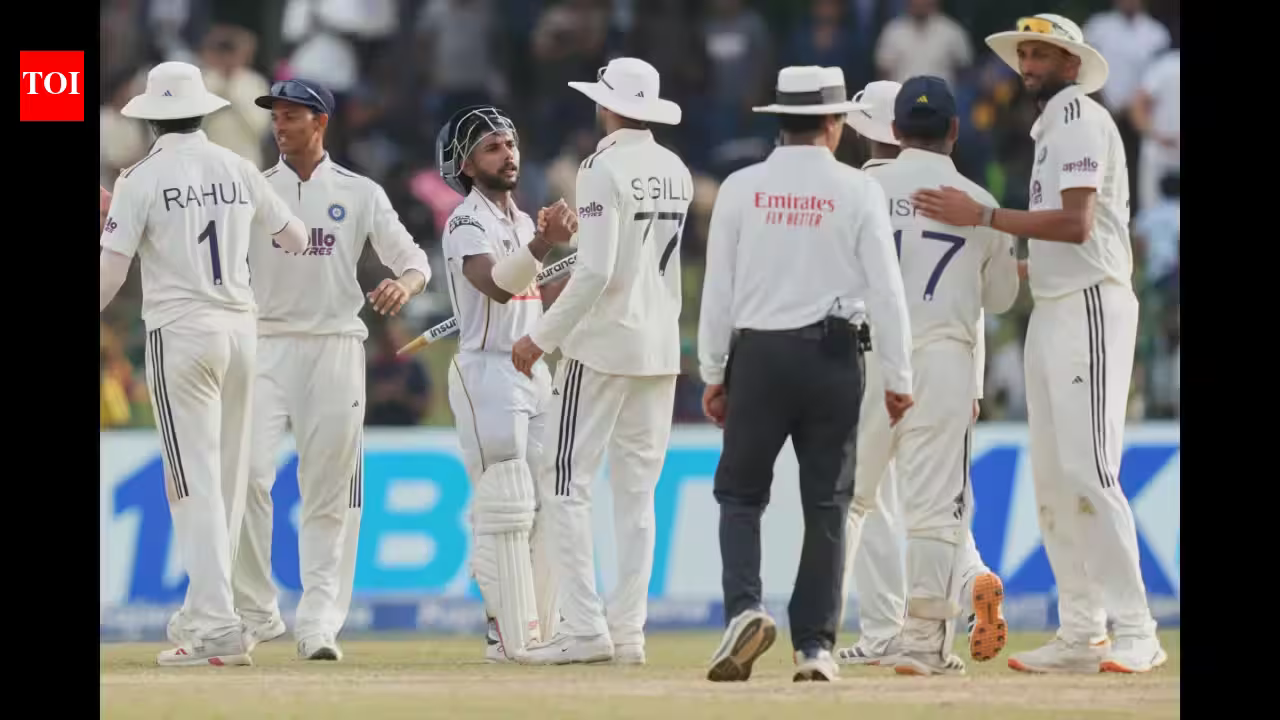
COLOMBO – In a contest where India held all the aces, the second Test against Sri Lanka ended in a frustrating stalemate that feels akin to a defeat for the visitors. As the final day drew to a close, with the result effectively sealed, Indian captain Shubman Gill even resorted to rolling his arm over, while Yashasvi Jaiswal and wicketkeeper Dhruv Jurel were introduced into the attack—a clear admission that the pursuit of victory had been abandoned.
The draw serves as a massive blow to India’s prospects in the World Test Championship (WTC) final. Having squandered a position of total dominance, India now faces a grueling path forward, with no margin for error in their seven remaining Tests against New Zealand and Australia.
Sonal Dinusha: The Architect of Resistance
For Sri Lanka, the result was nothing short of a tactical masterpiece, orchestrated primarily by the 25-year-old Sonal Dinusha. Dinusha has been the standout performer of the series, demonstrating a level of temperament and technique that has consistently frustrated the Indian bowlers. Across the series, his scores of 100, 84, 103, and an unbeaten 133* highlight a batter in peak form.
In the second Test, Dinusha spent nearly 147 overs at the crease, serving as the immovable object against which India’s attack repeatedly broke. Supported by a stubborn lower order—most notably Keshara Nuwantha, who faced 150 deliveries—Dinusha ensured that Sri Lanka not only avoided a whitewash but systematically erased time from the game to force the draw.
Tactical Blunders and Defensive Mindsets
India’s inability to dismantle the Sri Lankan tail raised serious questions regarding head coach Gautam Gambhir’s tactical approach. While the pitch offered some turn, the Indian bowlers lacked the requisite intensity, and their field placements often bordered on the baffling.
During the critical first session of the final day, rather than attacking the stumps, India appeared obsessed with preventing boundaries. The defensive field settings—including fielders positioned for reverse-sweeps in a Test match—allowed Sri Lanka’s lower order to milk easy singles, negating the need for the batters to take any risks.
The lack of urgency became so apparent that, before the lunch break, a visibly concerned Gambhir summoned captain Gill to the change room for an emergency consultation with the team’s video analyst, Hari Prasad Mohan. Despite trying various combinations and a new-ball burst, the lack of aggression meant that India were constantly playing catch-up against a defensive target.
A Path Narrowed
The statistics paint a grim picture for the visitors: while it took India 44.1 overs to clear the tail in the first innings, they were unable to replicate that performance in over 90 overs during the second.
As India departs Colombo, the mood is one of introspection. The team now enters a high-pressure phase of the cycle. With only one win to their name, they must navigate a challenging road ahead, starting with two Tests in New Zealand followed by a high-stakes five-Test series against Australia on home soil. For India, the road to the WTC final has suddenly become a minefield, and the missed opportunity in Colombo will likely haunt them for the remainder of the season.