








UPI Dominates Digital Payments Landscape as Card Usage Continues to Wane
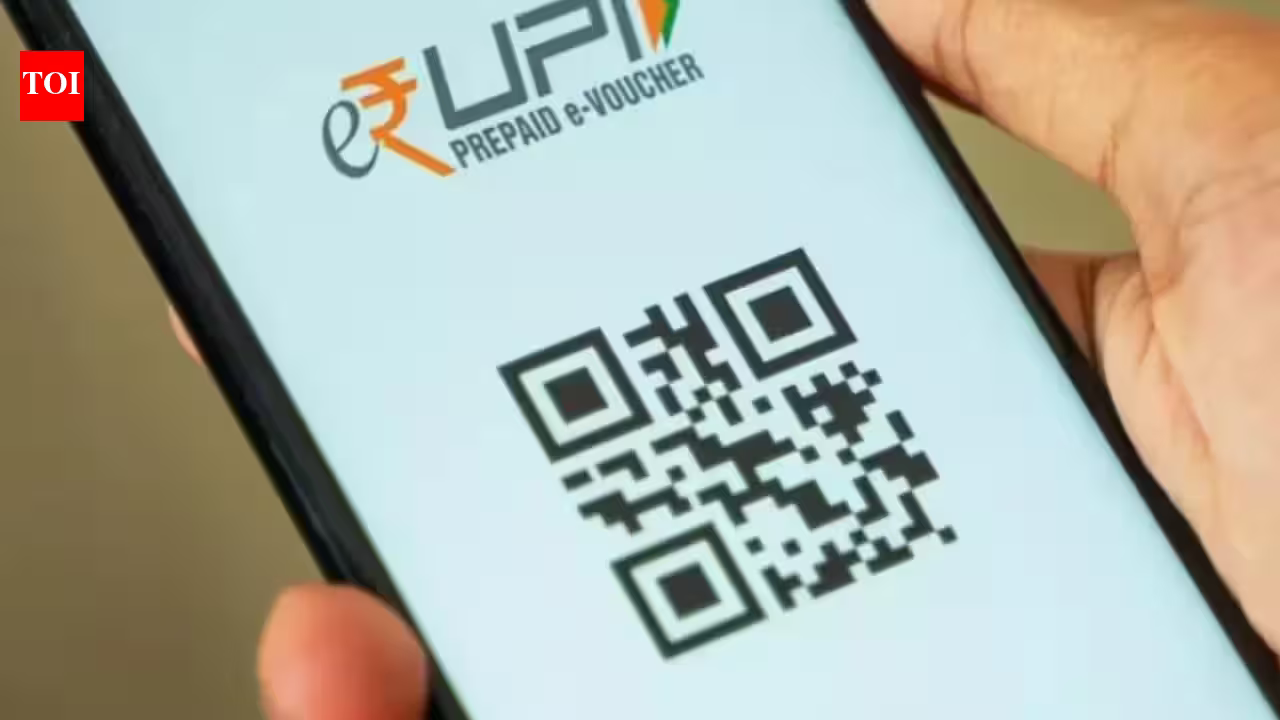
MUMBAI: India’s digital payments ecosystem is undergoing a profound structural shift, as the Unified Payments Interface (UPI) further consolidates its position as the nation’s preferred transaction rail. According to a recent report by Equirus, UPI has reached a record 77.3% market share in person-to-merchant (P2M) transactions, signaling a decisive move away from traditional payment methods.
A Surge in Digital Merchant Payments
The digital merchant payments sector in India expanded by 19.6% year-on-year, reaching a milestone of Rs 11.7 lakh crore in July. While the volume of transactions is growing, the shift in consumer behavior is the more significant narrative. UPI’s share of merchant payments rose by 243 basis points compared to July of the previous year and saw a steady climb of 22 basis points from June.
Industry analysts attribute this rapid adoption to the ubiquity of the UPI network, its seamless user interface, and the ease with which it integrates into both small retail environments and large merchant outlets. As it becomes the default infrastructure for retail commerce, UPI is increasingly displacing traditional plastic currency.
Cards Facing Headwinds
In contrast to the meteoric rise of UPI, traditional card-based payments are struggling to maintain relevance in a digital-first economy. The Equirus report highlights a clear decline in the market share of both credit and debit cards:
- Credit Cards: Once the primary driver of electronic spending, credit cards saw their share of merchant payments slip to 17.7% in July, down from 19.8% a year prior. This performance sits below the trailing 12-month average of 19%, indicating that growth in this segment is significantly lagging behind the broader digital market.
- Debit Cards: The migration of consumers toward direct bank-account transfers via UPI has hit debit cards the hardest. Their market share dropped to 3.2% from 3.9%, as users increasingly favor the convenience of instant mobile payments over card-based swipes.
Legislative Hopes on the Horizon
The transition away from cards has sparked renewed industry dialogue regarding the Merchant Discount Rate (MDR). The current lack of a fee structure on UPI transactions has been a cornerstone of its success, but as transaction volumes for large-value payments continue to surge through the UPI rail, industry stakeholders are looking toward the forthcoming Payment Bill.
The proposed legislation is being closely watched, as it is expected to clarify the regulatory environment for digital payments and potentially rekindle hopes for a sustainable MDR framework for large-value UPI transactions. For now, the data confirms that Indian consumers have largely embraced an era where mobile-based, real-time payments are the undisputed standard for commerce.