








From Assembly Line to Innovation Hub: Can India’s ₹62,500 Crore Bet Create the Next Apple?
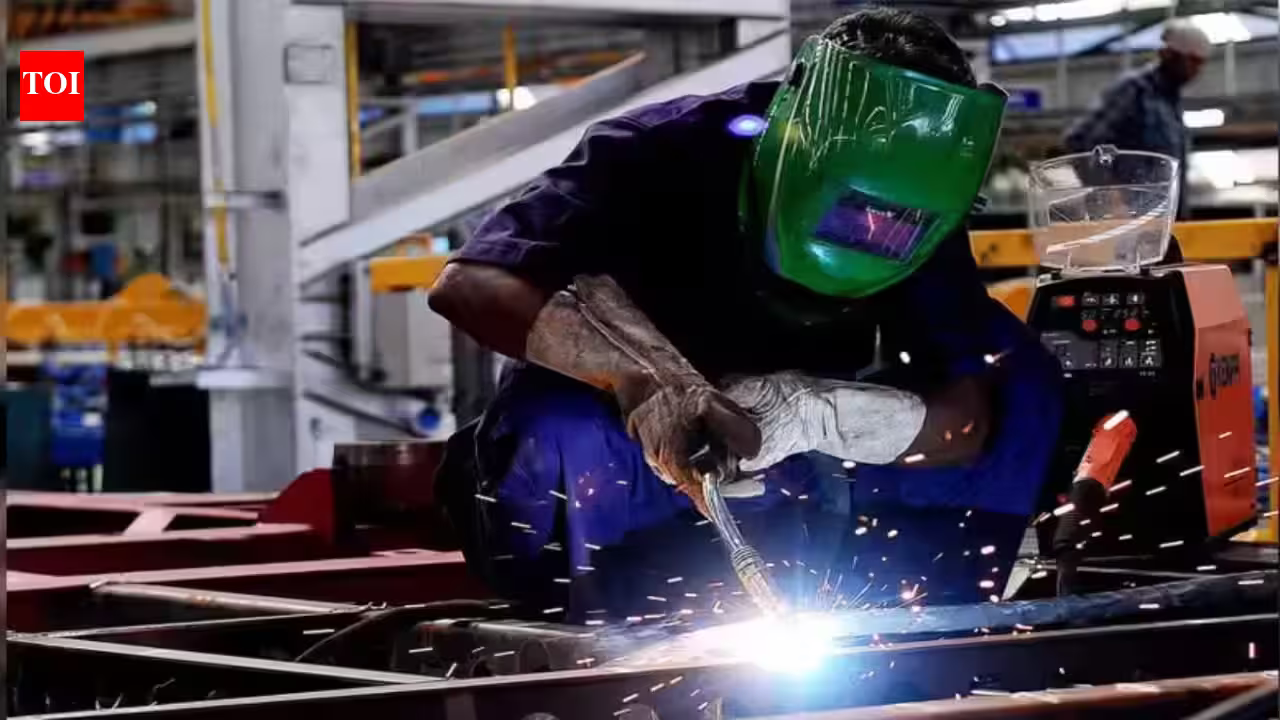
In 2020, when the Production Linked Incentive (PLI) scheme was unveiled as a cornerstone of the ‘Atmanirbhar Bharat’ initiative, few anticipated that smartphones would become the definitive success story of India’s industrial resurgence. Having already established itself as a global manufacturing powerhouse, India is now preparing for its most ambitious phase yet: moving beyond mere assembly to becoming a creator of homegrown global smartphone brands.
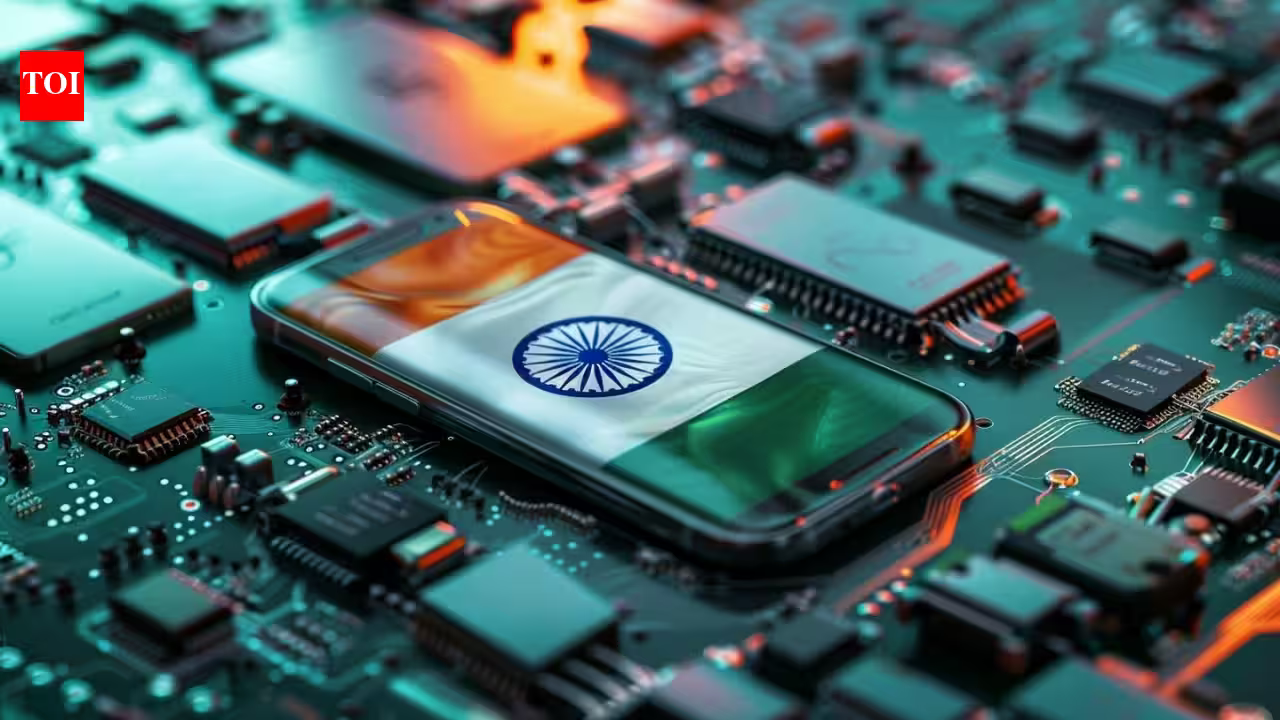
The government recently launched the ambitious Mobile Phone Manufacturing Scheme (MPMS), a ₹62,500 crore initiative aimed at cultivating end-to-end indigenous capabilities—from design and R&D to component manufacturing.
A Transformation in Numbers
The trajectory of the Indian mobile sector over the last decade is nothing short of historic. In 2014, mobile phones did not feature in the top 100 exported commodities. By fiscal year 2025-26, they had climbed to the top spot, overtaking traditional stalwarts like petroleum, gems, and jewelry.
The manufacturing ecosystem has evolved alongside these exports; in 2014-15, only 26% of phones sold in India were locally made. Today, that figure stands at a staggering 99.2%. Production has more than doubled in the last five years, soaring from ₹2.14 lakh crore in FY 2019-20 to ₹5.5 lakh crore in FY 2024-25.
Industry experts, including Prachir Singh, Senior Research Analyst at Counterpoint Research, credit the PLI scheme with this pivot. “While India was already adept at assembly, the PLI scheme helped increase production not just for the local market but for high-value exports,” Singh noted.
The MPMS Vision: Beyond Assembly
While the initial PLI focused on scaling up assembly—led by giants like Apple, Samsung, and Foxconn—the new MPMS shifts the focus toward domestic value addition. The scheme offers incentives ranging from 2.25% to 5% on eligible sales, with additional “kickers” for companies that prioritize domestic component sourcing and invest in in-house R&D and product design.
Electronics Minister Ashwini Vaishnaw has expressed confidence that by mid-2027, the nation will witness the emergence of its first strong indigenous mobile brand.
Can India Build a Global Champion?
The challenge of building a brand that rivals Apple or Samsung is significant. Critics and analysts alike point out that brand equity is built on decades of consumer trust, innovation, and proprietary technology—elements that incentives alone cannot replicate.
“Building a global brand is about much more than incentives,” says Sohrab Bararia, Partner at Grant Thornton Bharat. “It takes years of innovation, product development, and a strong ecosystem around the brand.”
However, proponents argue that for the first time, Indian firms are entering the race with a distinct advantage: a mature manufacturing base. Unlike previous efforts, companies now have access to a deep supply chain, a vast talent pool of engineers, and a proven track record of mass production.
Saurabh Agarwal, Partner at EY India, believes the timing is perfect. “MPMS is not merely a mobile phone manufacturing scheme; it is a demand-generation mechanism that accelerates the commercialization of investments,” he said, noting that the scheme directly targets the value drivers—IP creation and R&D—that define global tech leaders.
The Road Ahead
The goal of the ₹62,500 crore outlay is to reach a cumulative production of ₹39 lakh crore over the next five years. While the transition from “Made in India” to “Made by India” won’t happen overnight, the combination of policy support and existing infrastructure has placed the country on a trajectory to evolve from a global assembly line into a global electronics powerhouse.
The next decade will determine whether India’s strategic bet will produce the next iconic name in consumer technology, or if the country will remain the world’s most capable manufacturer for others. For now, the foundation is set, and the focus has shifted firmly toward homegrown innovation.