







From Arable Desert to Wildlife Haven: The Remarkable Revival of Massingham Heath
A decade-long conservation project in west Norfolk is being hailed as a blueprint for nature recovery in the UK, as once-intensive farmland undergoes a spectacular transformation into a vibrant, biodiverse heathland.
Massingham Heath, situated on the Little Massingham Estate, has undergone a radical change. What was formerly a landscape heavily reliant on chemical fertilizers and pesticides has been meticulously restored through a collaborative partnership between landowner Olly Birkbeck and Natural England.
The Return of Lost Species
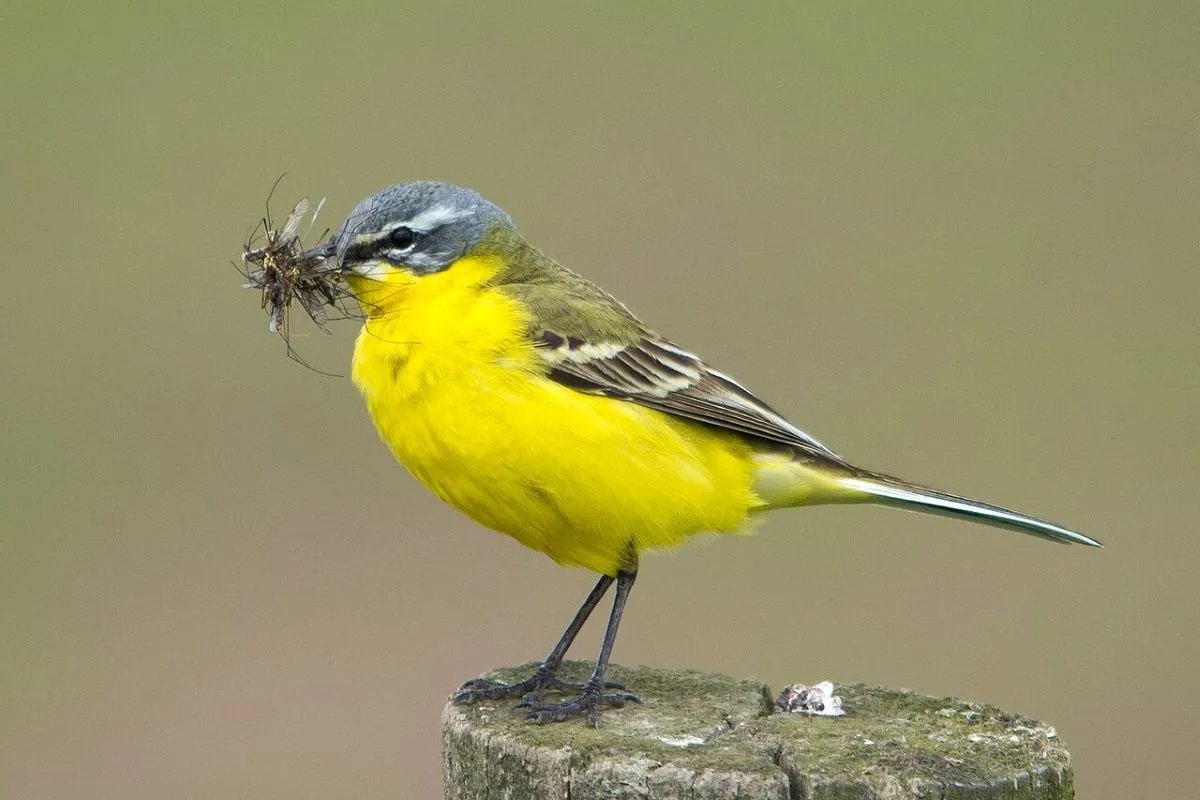
The ecological results of the restoration have been swift and striking. Ecologists have recorded the return of wildlife that had not been seen in the area for over 15 years. Among the returning avian species are the skylark, woodlark, stonechat, and birds of prey including the goshawk and hobby.
Beyond birds, the insect population has surged, with the rare dingy skipper butterfly, wasp spiders, and oil beetles reclaiming their place in the landscape. Botanically, the heath has also flourished, now supporting the striking pyramidal orchid, alongside re-established native plants such as wild thyme, field mouse-ear, and rock rose.
A Masterclass in Conservation Grazing
The site’s successful transition away from intensive cropping was achieved through innovative management techniques. Ed Cross, a tenant farmer on the neighbouring Sandringham Estate, spearheaded the project by working with botanists to hand-collect seeds from ancient Norfolk grasslands, which were then bespoke-matched to specific zones of the estate.
To maintain the delicate balance of the new habitat, the project employs “conservation grazing.” By introducing Konik ponies, Bagot goats, and Tamworth pigs, the team has successfully controlled invasive species and prevented aggressive, opportunistic plants from dominating the landscape. This natural grazing pattern allows for a mosaic of grassland and scrub to develop, providing essential cover and foraging grounds for diverse species.
A Model for Future Recovery
The Massingham Heath project is a key component of the broader Norfolk Local Nature Recovery Strategy. The vision goes beyond a single site; it aims to create a “nature network” by connecting fragmented habitats, allowing species to move more freely and bolstering the resilience of the local ecosystem.
Reflecting on the decade-long journey, owner Olly Birkbeck noted that the goal was always to return the landscape to its original character—a vision informed by historic maps, including those by Faden and early Ordnance Survey records.
“The success of Massingham Heath demonstrates how long-term partnerships between landowners, farmers, and Natural England can deliver large-scale nature recovery,” officials stated. By combining sustained agri-environment funding with a commitment to restoring traditional landscapes, the project has proven that even land pushed to the brink by industrial farming can be returned to a state where nature thrives.
As part of a unique effort to document this environmental success, the project has also partnered with the Society of Wildlife Artists, who have held residencies at the heath to record its seasonal transformation through art, ensuring the site’s rebirth is captured for posterity.