







The Silent Invasion: Why Plant Biosecurity is Britain’s New National Security Priority
Lavender is traditionally associated with relaxation and a good night’s sleep, but for Nicola Spence, England’s outgoing chief plant health officer, it is a source of persistent anxiety. The fragrant herb is a prime host for Xylella fastidiosa, a lethal bacterium that has already devastated olive groves across Italy and continues its march through Europe.
While Xylella has yet to reach the UK, the threat it poses to native oaks, elms, and the domestic fruit industry is so severe that the Royal Horticultural Society (RHS) has implemented strict bans on importing lavender and several other plant species into the Chelsea Flower Show.
“If we found Xylella at Chelsea, we’d have to close the whole thing down,” Spence explains. This is no hollow threat. During the event’s preparation, a dedicated team of inspectors and RHS biosecurity experts comb through every shipment. Last year, a stray tray of lavender was discovered on the bottom of a trolley; though testing proved it was disease-free, the incident served as a stark reminder of how fragile Britain’s biosecurity really is.
A Growing Frontline
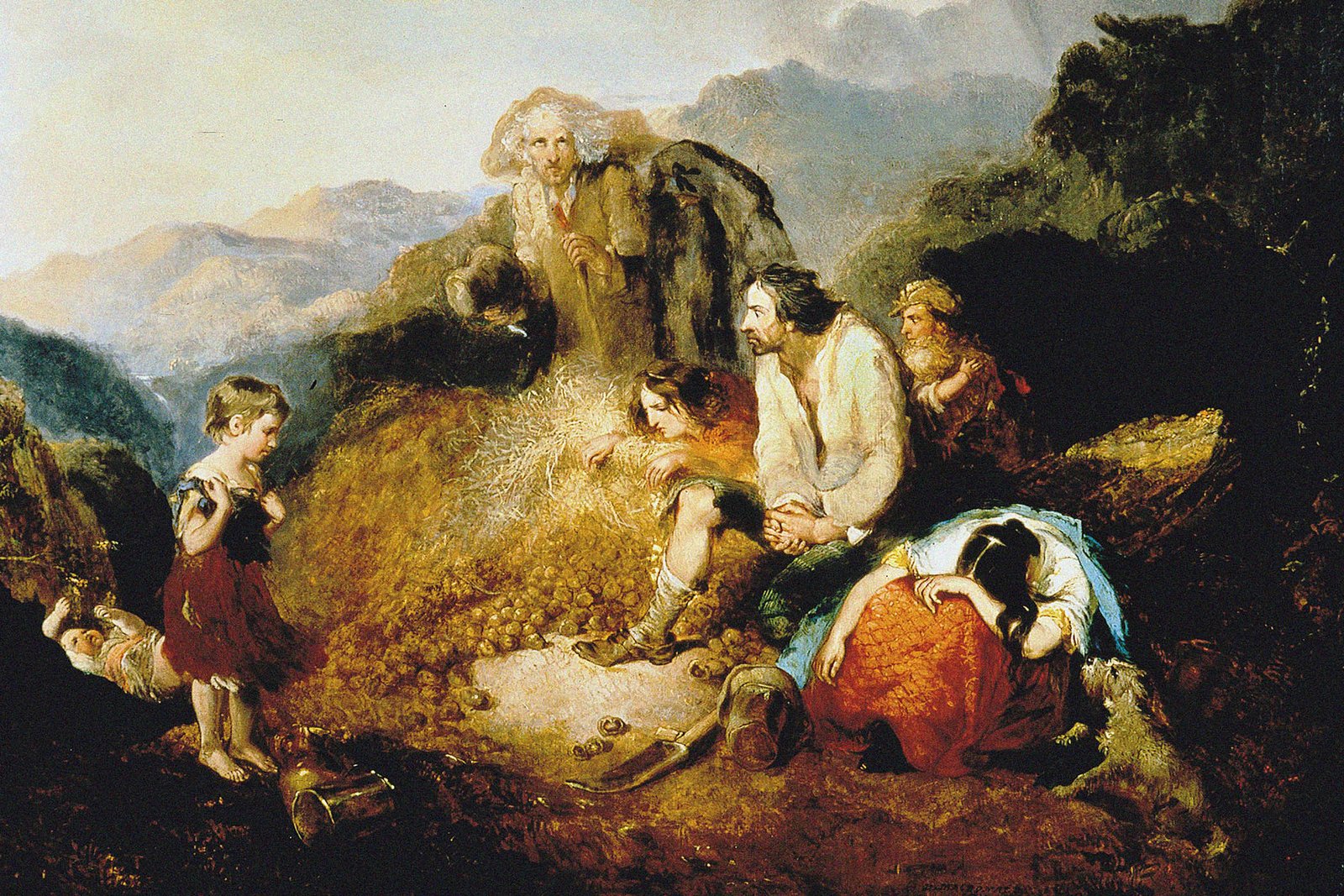
The stakes are increasingly high. Plant health is no longer just a matter of gardening; it is now viewed as a core pillar of the UK’s national security. The mission is to prevent ecological catastrophes, such as the 1845 Phytophthora infestans outbreak that triggered the Irish Potato Famine, from repeating in the modern age.
The diversity of threats is staggering. From beetles and caterpillars to fungi and bacteria, the pathways for entry are manifold—ranging from commercial shipments and furniture imports to the footwear of travelers.
History provides a grim warning: about 20 years ago, the fungus Pseudogymnoascus destructans was accidentally introduced to the US on the boots of cavers returning from Ukraine. It caused “white-nose syndrome,” killing at least 90% of certain North American bat populations. With their natural predators gone, crop-destroying insects surged, forcing American farmers to increase pesticide use by over 30%—a shift scientists have linked to rising infant mortality rates.
The Emerging Threat of Agroterrorism
Perhaps most alarming is the potential for deliberate harm. Security services are increasingly concerned that pathogens could be weaponized. Last year, a Chinese couple was arrested in the US for attempting to smuggle a wheat-destroying fungus, which authorities labeled a “potential agroterrorism weapon.” Similar historical incidents, such as the mysterious outbreak in Brazilian cocoa plantations in 1989, highlight that agriculture is a target for those seeking to cause economic and social destabilization.
“There is concern in the counterterrorism and homeland security network that plant products could be a risk,” says Spence. “We haven’t seen any plant pests and diseases used for deliberate release, but it’s obviously something that we think about and are aware of.”
The Climate Change Factor
Spence, who was appointed as the first chief plant health officer in 2014 following the outbreak of ash dieback, is stepping down this week. Under her leadership, the agency has grown from 100 inspectors to 400, and the risk register has expanded from 600 to 1,400 tracked threats.
“We’ve definitely seen a sharp increase in the number of pests and diseases affecting plants and trees over the past 30 years,” she notes. Climate change is a primary driver, with milder, wetter winters allowing non-native pests to establish themselves in Britain’s ecosystem.
Even the popular trend of rewilding presents unexpected challenges. While well-intentioned, neglected or “wilded” patches of woodland can act as hidden reservoirs for pests like the eight-toothed spruce bark beetle. “They’re impenetrable,” Spence says. “We know where they are, and then we can’t get to them.”
Vigilance at the Border
To counter these threats, the UK now utilizes an array of high-tech and traditional methods: detector dogs, satellite imagery with spectral filters to detect tree stress, and drone surveillance of over a million hectares of forest each year.
As she prepares to retire, Spence hopes to trade her high-stakes role for a more tranquil experience at future events like Chelsea. But as for her successor, the message remains clear: in the modern world, pests and fungi represent a relentless, evolving battlefield that demands constant vigilance.
And, of course, a strict adherence to the rules—so please, leave the illicit lavender at home.