






From Kolkata to Tokat: Two Culinary Pioneers Bridge Continents Through Memory and Spice
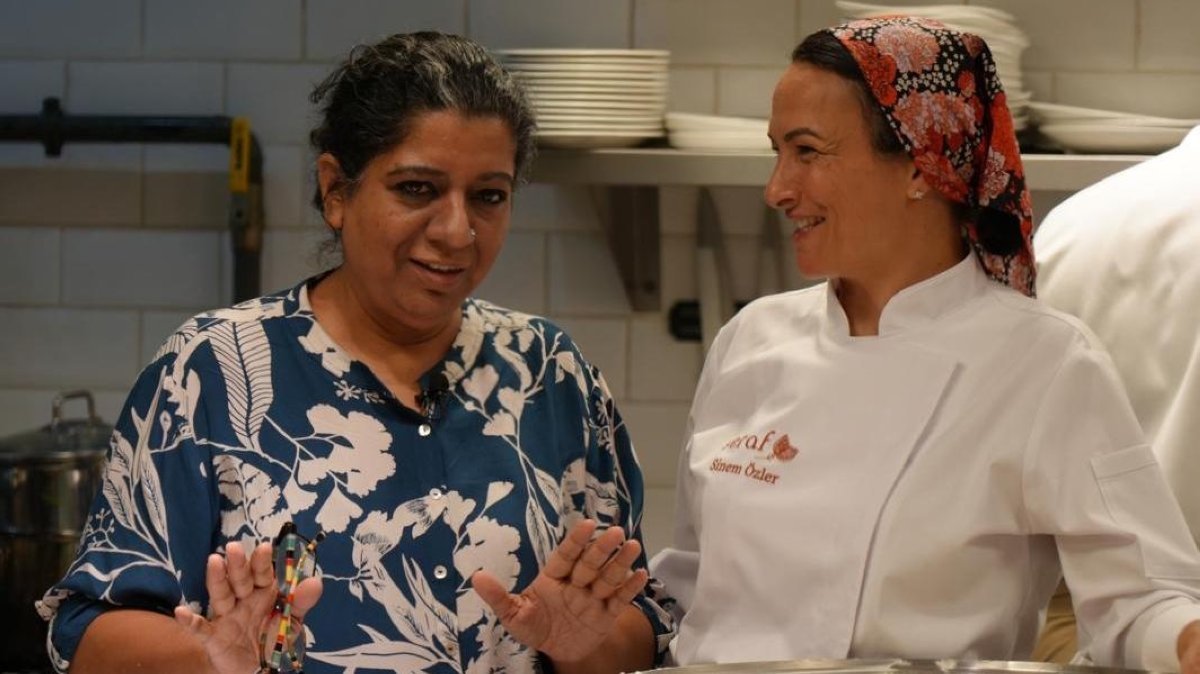
A recipe is more than a set of instructions; it is a traveler. It survives migration, crosses borders, passes from mother to daughter, and eventually finds a new home on a table thousands of miles from its origin. This intersection of memory and migration is the driving force behind a landmark culinary partnership between world-renowned chef Asma Khan and Anatolian culinary researcher Sinem Özler.
Following a highly successful collaborative dinner in Istanbul, the two chefs are now embarking on a documentary project that ventures into the heart of Türkiye: the ancient province of Tokat. Supported by restaurateur Doğan Yıldırım, the project aims to map the “culinary memory” of Anatolia, tracing the centuries-old routes that carried ingredients, techniques, and stories from the East to the West.
Two Cultures, One Table
The recent Istanbul event served as a microcosm of this historical exchange. In a nine-course menu, Khan and Özler juxtaposed their distant geographies. Guests experienced a symphony of flavors where Indian tomato raita met Turkish imam bayıldı, and chicken biryani—a recipe Khan learned from her mother—was served alongside Özler’s traditional içli köfte.
The pairing of Khan’s spice-forward Indian tradition with Özler’s Ottoman-inspired zirva (a lamb and dried fruit dish) revealed a profound truth: the vast distance between India and Anatolia is, in gastronomic terms, significantly shorter than one might think. What unfolded in that kitchen was not just a meal, but the meeting of two women, two home-based culinary traditions, and two great civilizations linked by history.
The Invisible Road
While today’s maps delineate strict boundaries, history tells a different story. For centuries, trade networks—including the Silk Road and maritime routes across the Indian Ocean—facilitated the movement of merchants, dervishes, and soldiers. With them came cinnamon, ginger, cardamom, and the fundamental techniques that define what we now call “local” cuisine.
Anatolia, historically a central node in these vast exchange systems, acted as a cultural laboratory. The Seljuk-era caravanserais served as medieval international meeting points where travelers from China, Iran, and the Mediterranean shared more than just shelter; they shared the secrets of their pots and pans.
Championing the Matriarchs of the Kitchen
The partnership between Khan and Özler is also a testament to the power of women’s labor. Khan’s journey is particularly moving; born the second daughter in a society that often favored sons, she transitioned from a doctoral student in British constitutional law to a chef who famously staffs her London restaurant entirely with women.
By prioritizing the wisdom of the home cook over the rigidity of the culinary school, Khan has brought “invisible labor” into the spotlight. Her work—recognized by TIME magazine and the United Nations World Food Programme—posits that a mother’s cooking knowledge is as valuable as any academic credential.
Similarly, Sinem Özler has dedicated her career to reviving forgotten Anatolian recipes, ensuring that regional techniques do not disappear in the face of modern industrial food. As they prepare to head to Tokat, the chefs aim to document the lesser-known dishes, local producers, and female-led culinary traditions that define the region.
A New Chapter in Culinary Diplomacy
The project represents a form of gastronomic diplomacy. By bringing international eyes to the local diversity of provinces like Tokat, Khan and Özler hope to elevate Türkiye’s cultural prestige. They are proving that culinary heritage is not something to be locked away in a museum, but something to be cooked, shared, and kept alive.
As Khan often reminds her peers: “Open the doors for women… open every door.” By opening the doors between the kitchens of Kolkata and the ancient trade routes of Tokat, these two chefs are demonstrating that the most effective way to bridge the gap between disparate cultures is simply to sit down at the same table.