







Global Leaders Convene in Kyrgyzstan as SCO Summit Aims to Challenge Western Influence
BISHKEK, Kyrgyzstan — A high-stakes assembly of global leaders is underway in Kyrgyzstan this week as the Shanghai Cooperation Organization (SCO) holds its latest summit, signaling a calculated push to solidify an alternative power bloc to the West.
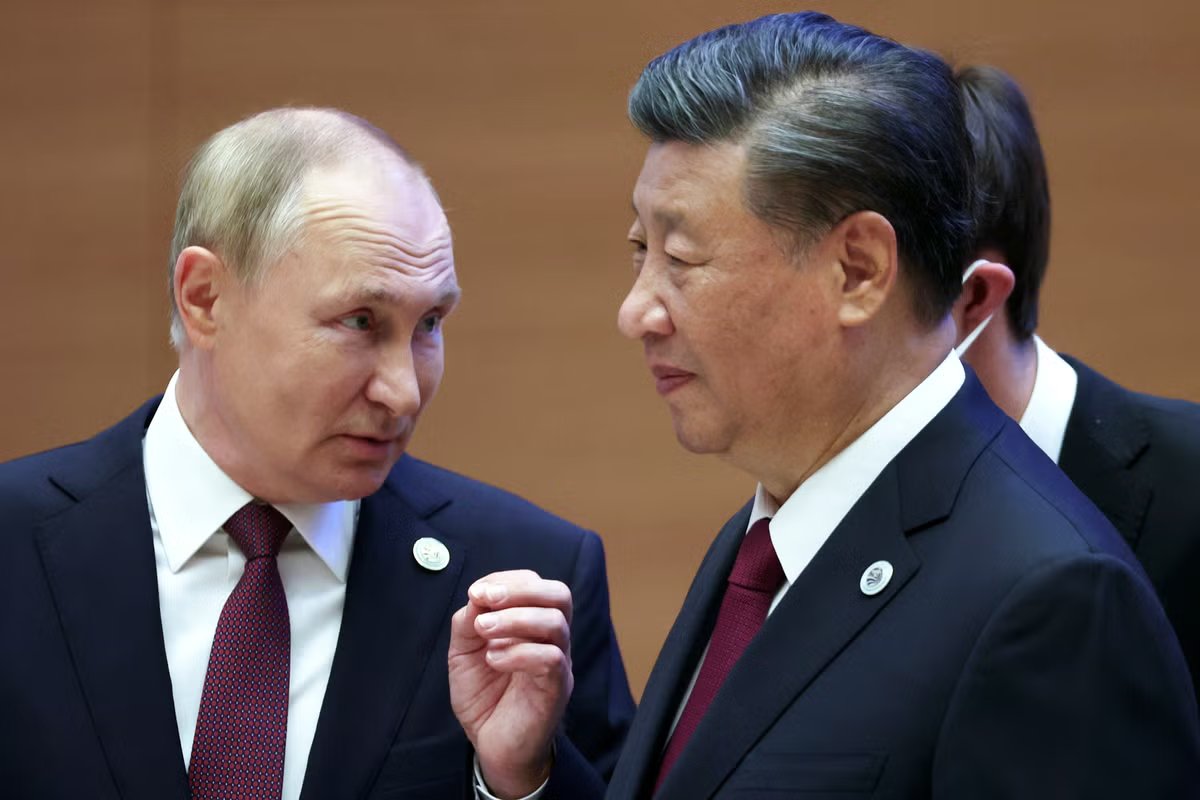
The summit brings together a powerful roster of heads of state, including Chinese President Xi Jinping, Russian President Vladimir Putin, and Indian Prime Minister Narendra Modi. Held in the Central Asian capital of Bishkek, the event serves as a platform for these nations to navigate a complex web of regional interests and geopolitical tensions.
A Strategic Counterweight
Founded in 2001 as a security-focused forum, the SCO has expanded significantly over the last 25 years. It now encompasses 10 member states: Russia, China, India, Iran, Pakistan, Belarus, and four Central Asian nations—Kazakhstan, Kyrgyzstan, Tajikistan, and Uzbekistan.
While the group often faces criticism for its vague objectives and limited brand recognition, Beijing and Moscow have increasingly championed the organization as a formidable alternative to Western-aligned groups like the G7. For Russia, currently navigating its ongoing conflict in Ukraine, and Iran, embroiled in tensions with the United States and Israel, the summit is a vital venue to strengthen ties with non-Western partners.
China, in particular, has utilized the SCO to project influence, offering development and financial assistance while advocating for a new, multipolar world order.
Internal Friction and Strategic Hedging
Despite the narrative of a united front against Western hegemony, analysts emphasize that the SCO is far from a monolithic bloc. The organization is frequently hampered by deep-seated rivalries among its own members, most notably between India and both China and Pakistan.
For India, participation in the SCO is less about alignment and more about strategic positioning. “It gives New Delhi a first-hand view of the region and allows it to hedge its position with others,” noted Dinakar Peri, a fellow in security studies at Carnegie India. For India, the summit serves as a diplomatic safeguard, ensuring it remains a key stakeholder in a region defined by the competing interests of global powers.
The Turkey Factor
The summit also highlights the complex balancing act of countries like Turkey. Holding “dialogue partner” status since 2012, Ankara is using the forum to bolster its influence in Eurasia. President Recep Tayyip Erdogan has made no secret of his desire for Turkey to become a permanent member, viewing the SCO as a necessary component of a foreign policy that preserves its NATO commitments while simultaneously fostering closer ties with Eastern powers.
High-Level Diplomacy
The sidelines of the summit are expected to be as significant as the official sessions. One-on-one meetings are already slated, including high-profile discussions between Vladimir Putin and Xi Jinping, as well as talks between the Russian leader and Iranian President Masoud Pezeshkian.
As the international community watches, the Bishkek summit remains a testament to the shifting sands of global diplomacy. Whether the SCO can evolve from a loose security forum into a cohesive political engine remains to be seen, but the gathering itself underscores a clear message: in a rapidly changing world, major powers are increasingly looking beyond the traditional Western-led order to secure their geopolitical futures.