








Global Leaders Converge in Bishkek for High-Stakes SCO Summit
Bishkek, Kyrgyzstan: The capital of Kyrgyzstan has become the center of global diplomacy this week as leaders from across the Eurasian continent arrive for the two-day summit of the Shanghai Cooperation Organisation (SCO). The gathering brings together a powerful bloc of nations, including India, Russia, China, Iran, and Pakistan, to address regional security, economic integration, and the group’s evolving role as a potential counterweight to Western influence.
A Stage for Geopolitical Realignment
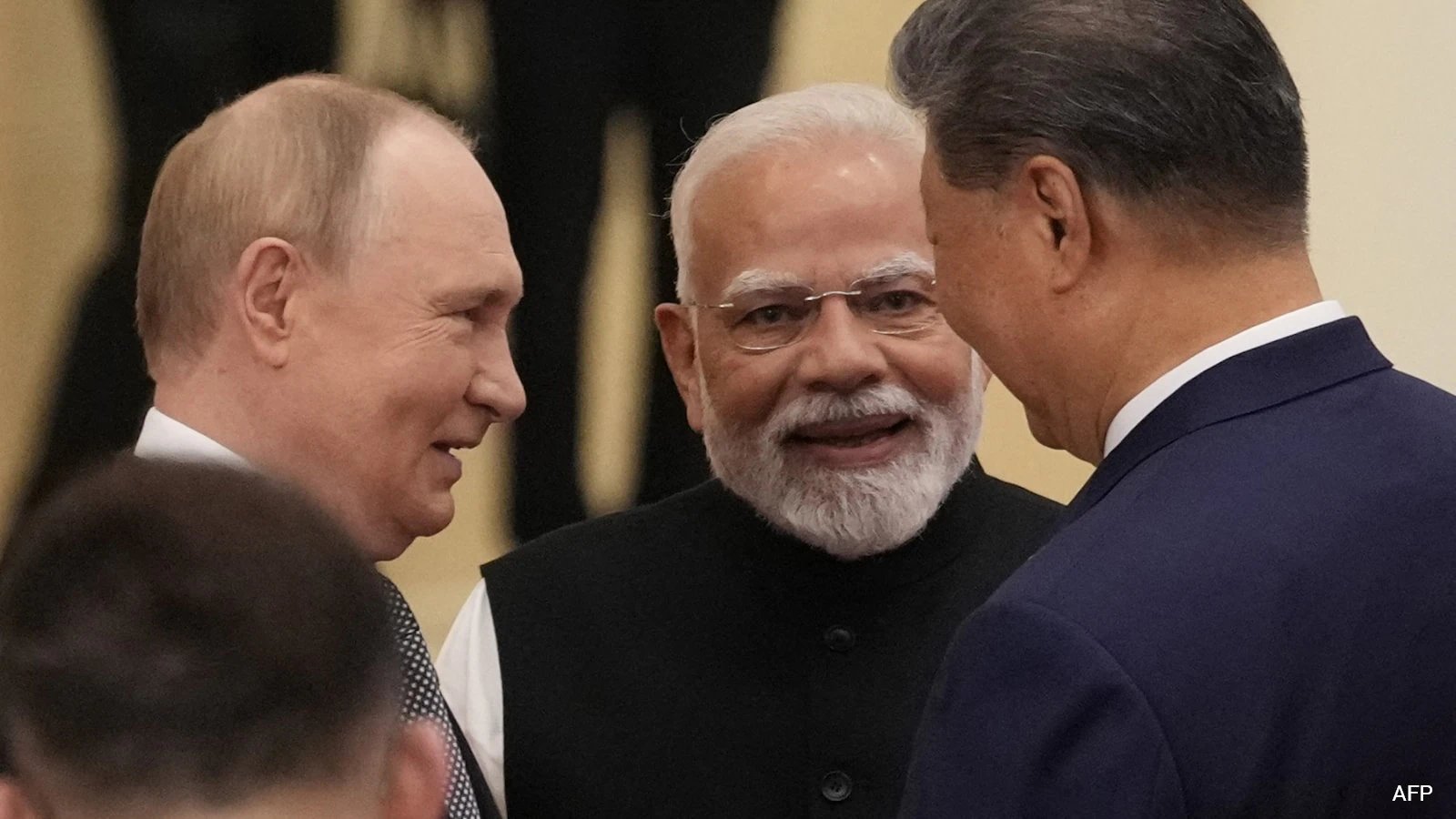
The 10-member bloc is marking its 25th anniversary, a milestone underscored by the presence of heavyweight leaders including Prime Minister Narendra Modi, Russian President Vladimir Putin, and Chinese President Xi Jinping.
Last year, the grouping’s annual meeting in Tianjin, China, drew intense scrutiny after a high-profile three-way interaction between PM Modi, Xi, and Putin—a moment that reportedly prompted then-US President Donald Trump to express concerns that Washington might be losing influence over New Delhi and Moscow to Beijing. This year, all eyes are once again on the plenary session, which will be chaired by Kyrgyz leader Sadyr Japarov and feature key stakeholders like Iran’s President Masoud Pezeshkian and Pakistan’s Prime Minister Shehbaz Sharif.
PM Modi’s Strategic Agenda
Prime Minister Modi’s visit to Bishkek is packed with high-level bilateral engagements. Beyond the plenary sessions, the Prime Minister is expected to hold critical meetings with Presidents Putin, Pezeshkian, and Japarov.
In his departure statement, PM Modi emphasized his commitment to a region built on “security, connectivity, and opportunity.” He underscored the need for collective action against “the scourge of terrorism, separatism, and extremism” that continues to threaten regional stability.
Observers are also keenly watching whether India will use this platform to shore up support for its bid for a non-permanent seat on the UN Security Council (UNSC) for the 2027 term. With Tajikistan also vying for the position, diplomatic maneuvering will be essential as New Delhi seeks to persuade its fellow SCO members to align with its candidacy.
Navigating Internal Tensions and Global Conflicts
The summit arrives at a time of deep geopolitical fracture. Several member states are currently involved in, or deeply impacted by, active military conflicts—most notably the war in Ukraine and ongoing tensions involving Iran. Additionally, trade friction, including the imposition of US tariffs on Chinese and Indian goods, remains a point of contention.
While the SCO’s founding declaration officially maintains that the group is “not an alliance directed against other states,” Presidents Putin and Xi have historically utilized the forum to promote their vision of a “multipolar world.” At past summits, the pair has used the platform to present a united front against Western policies, with Putin frequently addressing the war in Ukraine and Xi criticizing “acts of intimidation” related to US-China tensions.
Deepening Influence
As the SCO continues to expand—now boasting 15 “dialogue partners” including Saudi Arabia, Qatar, and Turkey—it has shifted from an organization primarily focused on economic cooperation to a major geopolitical entity.
China, in particular, is making significant inroads into Central Asia. Upon his arrival in Bishkek, President Xi heralded a “golden period” in relations with Kyrgyzstan, signaling Beijing’s intent to deepen its influence in a region historically dominated by Russia.
As the summit proceeds, the outcomes of these bilateral discussions and the shared vision for the next year will likely set the tone for broader diplomatic dialogues, including the upcoming BRICS Summit in New Delhi this September.