








Xi, Modi, and Putin Convene in Bishkek for High-Stakes SCO Anniversary Summit
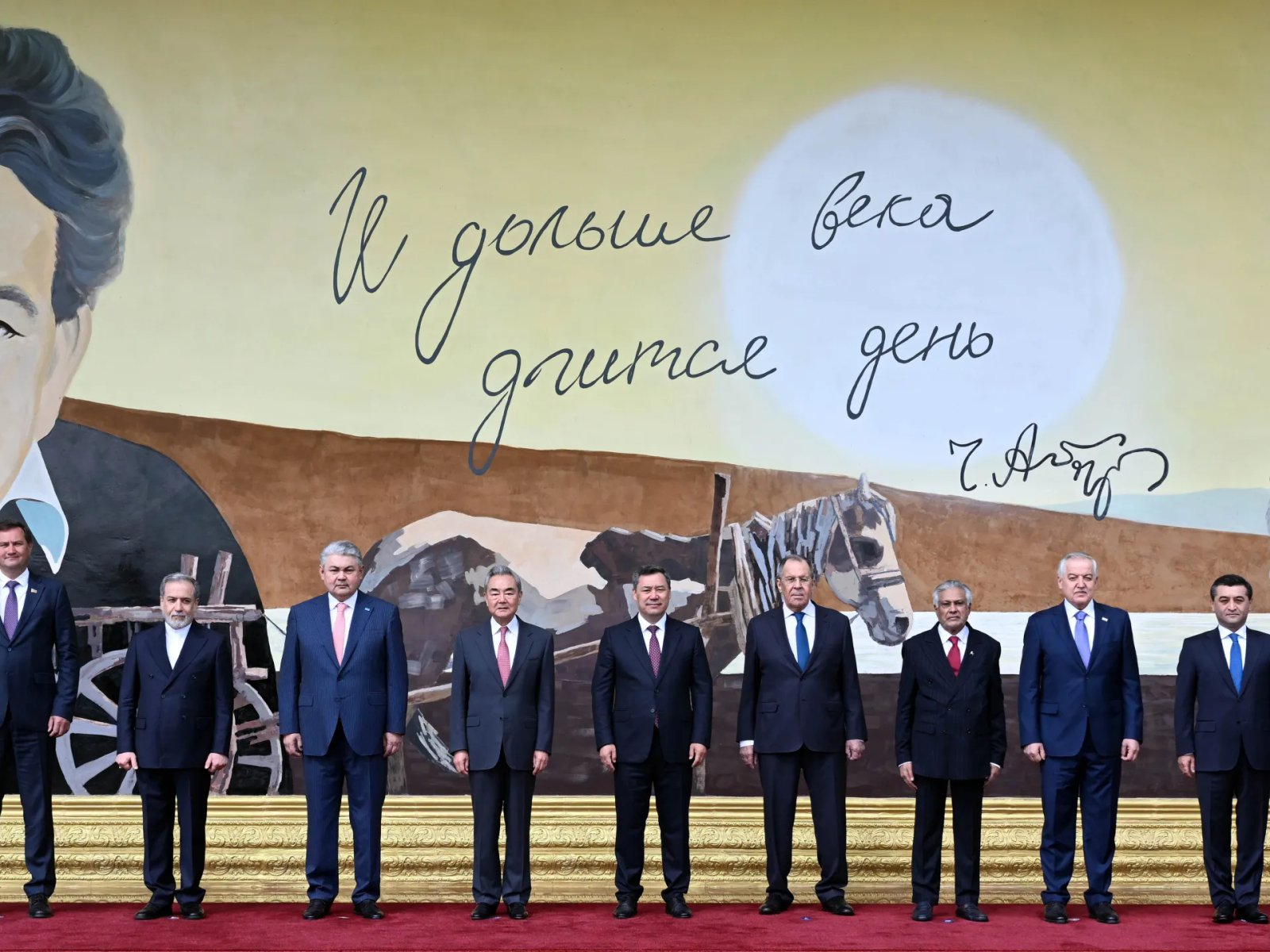
BISHKEK, Kyrgyzstan – Global leaders are converging in the Kyrgyz capital for the annual Shanghai Cooperation Organisation (SCO) summit, a high-profile gathering that marks a quarter-century of the bloc’s existence. As the international community grapples with the fallout of the US-Israel conflict in Iran and the persistent Russia-Ukraine war, the summit serves as a pivotal forum for Eurasia’s rising powers to calibrate their response to a volatile global order.
The two-day summit, which begins on Monday under the banner “Together for Sustainable Peace, Development and Prosperity,” features a powerhouse lineup, including Chinese President Xi Jinping, Russian President Vladimir Putin, and Indian Prime Minister Narendra Modi. Also in attendance is Iranian President Masoud Pezeshkian, along with leaders from Pakistan, Belarus, and Central Asian states.
A Quest for a Multipolar Order
Analysts suggest this year’s summit is more than a diplomatic formality; it is a strategic response to the shifting geopolitical landscape. With the US foreign policy under President Donald Trump increasingly characterized by unilateralism and aggressive trade tariffs, many member states are seeking alternatives to Western-led financial and security frameworks.
“For years, the SCO has been viewed as an avenue for China to promote a multipolar world order,” said William Yang, a senior analyst at the International Crisis Group. “Amid current global conflicts, Beijing is likely to use this platform to contrast its rhetoric of peaceful resolution with US policies, though substantive action remains to be seen.”
The organization, which originated in 1996 as the “Shanghai Five” to manage border disputes, has evolved into a massive entity representing 43 percent of the global population and nearly a quarter of the world’s economy. This year, the focus has intensified on SCO summit objectives, particularly regarding financial integration and the mitigation of global supply chain disruptions.
Economic Connectivity and Strategic Realignment
A primary focus of the agenda is the development of new trade corridors. With maritime routes like the Strait of Hormuz facing instability due to the conflict in Iran, the bloc is prioritizing the 7,200km International North-South Transport Corridor and potential Arctic shipping routes.
For India, the summit offers a complex balancing act. Prime Minister Modi’s presence underscores New Delhi’s commitment to “strategic autonomy.” While India maintains deep ties with the US and participates in the Quad security dialogue, it remains invested in the SCO to manage its border tensions with China and maintain essential energy and defense relations with Russia.
“India is in an intriguing position,” noted Alejandro Reyes of the University of Hong Kong. “It sees the SCO as one of several overlapping platforms through which it can maximize its own agency, rather than as a bloc aimed at forming a rigid anti-Western alliance.”
Bridging Internal Divides
Despite the emphasis on unity, the SCO remains a collection of nations with vastly different interests. Frictions persist, particularly regarding border tensions between India and Pakistan and the varied stances on the conflict in Ukraine. While Moscow often seeks full alignment from the bloc on its war efforts, India has successfully navigated a more neutral path.
However, the group has found common ground in its collective opposition to unilateral sanctions. As the summit progresses, the focus on establishing an SCO Development Bank and a shared investment fund signals an intent to build “alternative architectures” for the Global South.
As the US continues to engage with Central Asian states—the so-called “C5″—to counter the influence of Beijing and Moscow, the Bishkek summit stands as a defiant signal. For the participating nations, the message is clear: in an era of extreme geopolitical volatility, these countries are determined to carve out their own room for maneuver, hedging against the dominance of a single superpower.