








Turkmenistan Begins Plugging Massive Methane Leaks in Climate Breakthrough
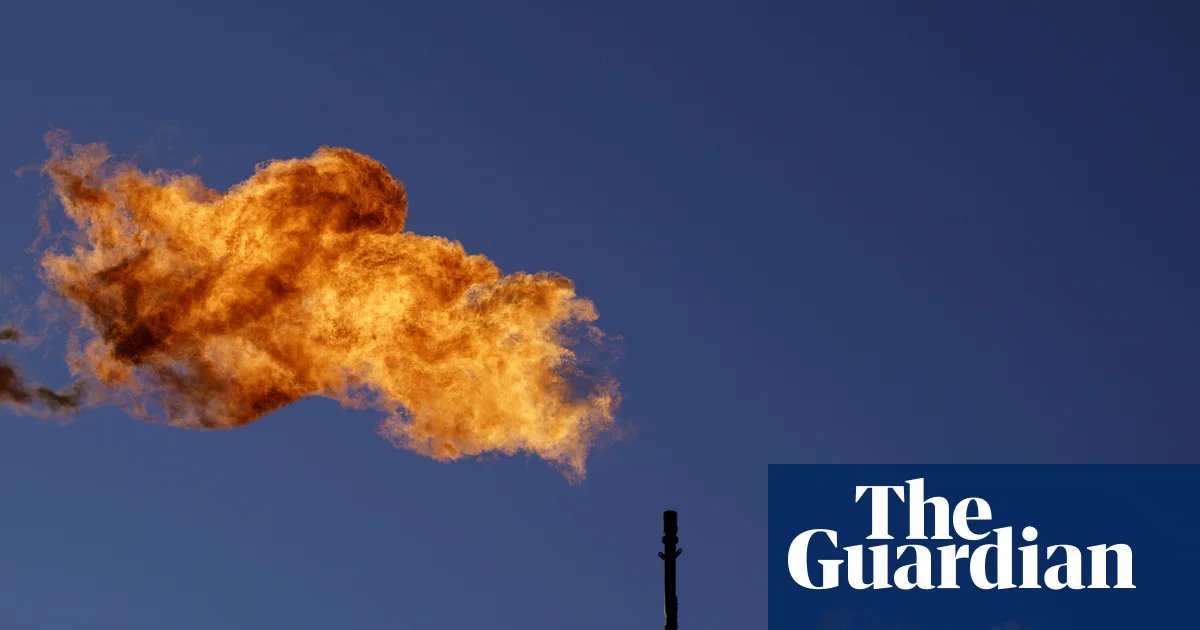
In a move experts are calling a significant climate breakthrough, Turkmenistan has begun systematically addressing the massive methane leaks emanating from its aging oil and gas infrastructure. New data from the United Nations reveals that the nation, previously identified as one of the world’s most prolific methane polluters, has successfully repaired eight major leaks by addressing corroded pipes, faulty wells, and failing flares.
Methane—the primary component of fossil gas—is an exceptionally potent greenhouse gas. It traps roughly 80 times more heat than carbon dioxide over a 20-year period and is currently responsible for approximately 25% of global heating. Because methane dissipates from the atmosphere far more rapidly than CO2, environmental scientists often refer to the elimination of leaks as an “emergency brake” on climate change, offering immediate cooling benefits.
From “Mind-Boggling” Emissions to Accountability
The progress in Turkmenistan follows intensive international scrutiny. In 2023, investigations revealed that the Central Asian nation’s two primary fossil fuel fields were generating more global heating in a single year than the entire annual carbon output of the United Kingdom. Sources within the capital, Ashgabat, indicated that this global pressure acted as a “critical step” in motivating the secretive, authoritarian government to cooperate with international partners.
The UN’s Methane Alert and Response System (MARS), which utilizes artificial intelligence to analyze satellite data, has been the primary tool for this transition. Over the past year, MARS issued 192 alerts to Turkmenistan. While the country has only responded to approximately 20% of these alerts, the documented repairs represent a shift in policy for a state that previously ignored infrastructure failures due to its massive gas reserves.
A Global Snapshot of Compliance
While Turkmenistan’s progress is encouraging, the data highlights a stark divide in global climate responsibility:
- Positive Actors: Mexico, Brazil, and Argentina have maintained a 100% response rate to MARS alerts, demonstrating a strong commitment to infrastructure maintenance.
- The Inaction Gap: Despite receiving 138 alerts, the United States has fixed no leaks in the last year and has provided no responses to the UN. Other major emitters, including Russia, Iran, and China, have likewise failed to acknowledge or act upon any alerts.
- Regional Progress: Kazakhstan, another former Soviet state with aging infrastructure, has also successfully sealed eight leaks, mirroring the efforts seen in Turkmenistan.
Meghan Demeter, program manager at the UN Environment Programme’s International Methane Emissions Observatory, emphasized that while these repairs are a “proof point” for the effectiveness of satellite monitoring, much remains to be done.
“This is a breakthrough in terms of having real documented mitigation action,” Demeter told the Guardian. “But it is not yet a breakthrough in the overall magnitude of emissions. Eight cases is an incredible first step, but there’s also a lot more sources in Turkmenistan that need to be addressed.”
Why Methane Matters
A single “super-emitter” event—where tonnes of methane escape into the atmosphere every hour—can have a climate impact equivalent to the emissions of over a million SUVs. Fixing these leaks is considered the most cost-effective method to combat short-term warming. In one instance, a major leak in Algeria that had been venting for nearly 40 years was finally stemmed thanks to the intervention prompted by satellite data.
As the UN continues to scale up technical and financial support for countries, the focus remains on transforming alerts into tangible action. For many, the progress in Turkmenistan is a sign that the combination of satellite transparency and diplomatic pressure is working, even in the most challenging political environments.
For more details on these developments, you can read the full report on Turkmenistan methane leaks via the Guardian.