








Garmin’s Newest Wearable, the Cirqa: Is ‘No Subscription’ Enough to Compete in a Data-Driven Market?
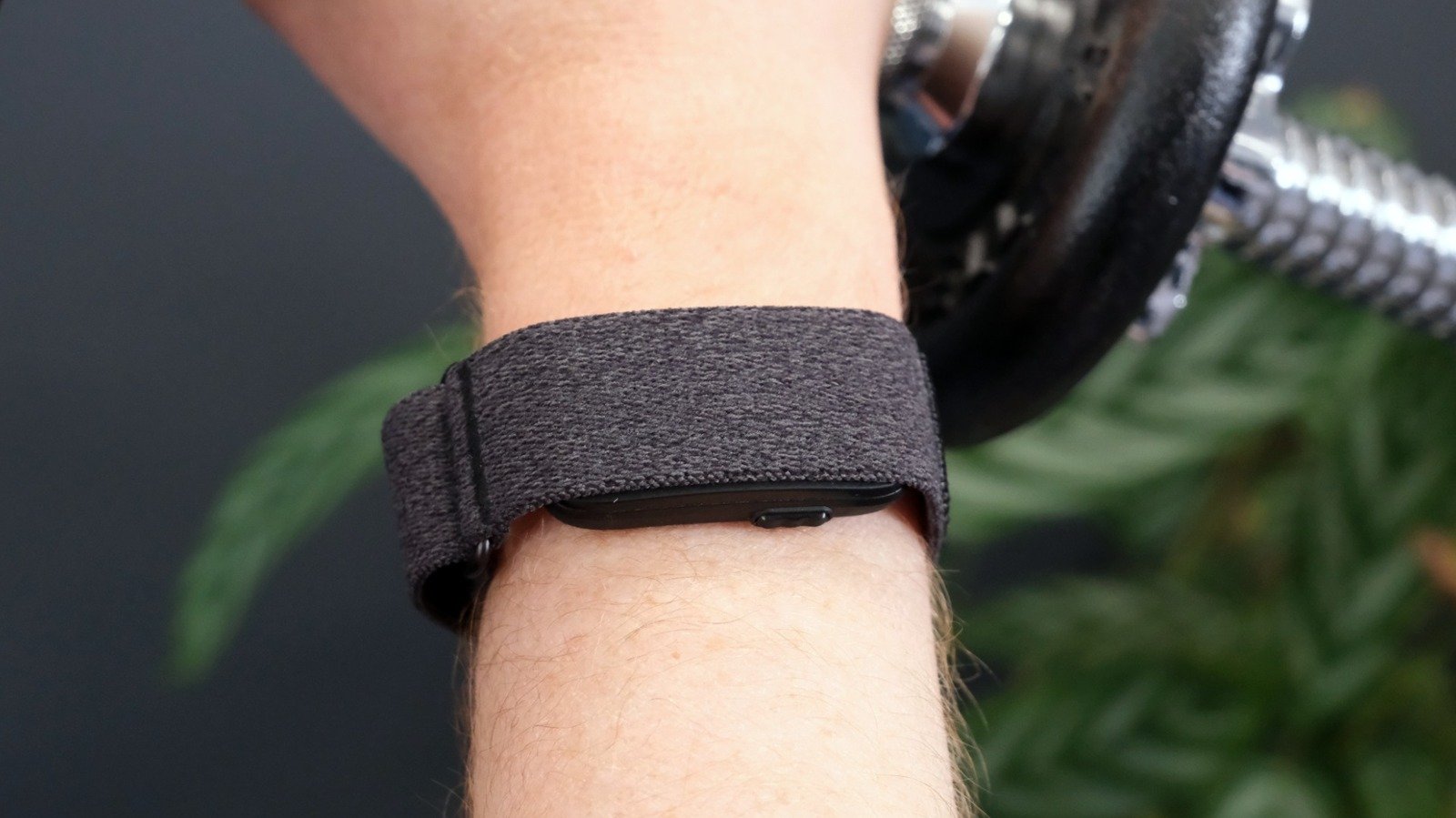
Garmin has officially entered the fray with the Cirqa, a fitness wearable that lands with a bold marketing promise: “24/7 health monitoring and fitness features with no subscription required.” It is a direct jab at industry competitors like Whoop, Fitbit, Oura, and Ultrahuman, all of which rely heavily on recurring monthly fees to unlock the true potential of their hardware.
However, while Garmin’s claim is technically accurate, industry analysts suggest that in an era dominated by AI-driven coaching, the appeal of a “subscription-free” model may be losing its luster.
The Hardware vs. Insight Dilemma
The central tension in the current wearable market is not about who collects the most data, but who interprets it best. Competitors such as Whoop and Fitbit have pivoted to a model where the device is merely a conduit for actionable insights. Users are increasingly willing to pay a premium for AI that interprets a bad night’s sleep or a sluggish heart rate into a “take it easy today” recommendation.
Garmin, by contrast, has remained steadfast in its philosophy. Its platform, Garmin Connect, provides users with a comprehensive, color-coded dashboard of raw metrics. It is professional, data-dense, and highly accurate, but it assumes the user is an expert in their own physiology. Garmin seems to believe its customers prefer to synthesize their own conclusions rather than having insights spoon-fed to them. Yet, this raises a persistent question among critics: If the software experience remains static, why would a consumer choose the $200 Cirqa over a more established $150 Vivosmart?
A Long-Standing Software Struggle
The critique of Garmin’s software ecosystem is not new. Since the release of the original Venu, reviewers have pointed out that while Garmin consistently delivers top-tier hardware, its smartphone integration often feels like an afterthought. Seven years later, the state of Garmin Connect suggests that this is an intentional design choice rather than a lack of resources.
Beyond the software philosophy, there are fundamental “quality of life” issues that continue to frustrate users. In a recent Garmin Cirqa review, the device was criticized for intrusive alerts—such as aggressive, sleep-disturbing vibrations at 10:46 PM to report a 20 percent battery level—that lack the basic awareness one would expect from a modern, “smart” wearable.
The Subscription Gap
Garmin does offer a premium tier, Garmin Connect+, which provides AI-generated insights and nutrition tracking. However, the company’s insistence on foregrounding its subscription-free model creates a confusing experience. Reports indicate that these paid AI features often lack depth, and some, like “Outdoor Trails,” are not even compatible with the Cirqa, leaving users to wonder what, exactly, the subscription is providing.
Has Garmin Already Solved the Problem?
Perhaps Garmin isn’t lagging behind in AI because it believes it already pioneered the solution. The “Body Battery” score has been a staple of Garmin wearables for years, offering a 1-to-100 summary of the user’s energy levels. By tracking sleep, exertion, and recovery, the feature provides a simple, at-a-glance guide on whether to hit the gym or stay in bed.
While almost every competitor now offers a version of this “readiness” score, Garmin has been refining its version for years. For the target demographic—the serious athlete who trusts their own data—this might be more than enough. But for the growing market of wellness-seekers who want a digital coach in their pocket, Garmin’s refusal to pivot toward smarter, subscription-backed guidance may eventually leave the Cirqa feeling like a tool for the past, rather than the future.