








International Tribunal Rules India Cannot Unilaterally Withdraw from Indus Waters Treaty
THE HAGUE – In a significant legal development for South Asian diplomacy, the Permanent Court of Arbitration in The Hague has issued a binding ruling stating that India lacks the legal grounds to suspend its participation in the 1960 Indus Waters Treaty.
The tribunal, which delivered its unanimous decision on Monday, rejected New Delhi’s attempt to abandon the decades-old agreement, which governs the sharing of the Indus river basin—a vital lifeblood for hundreds of millions of people across India and Pakistan.
A Contested Resource
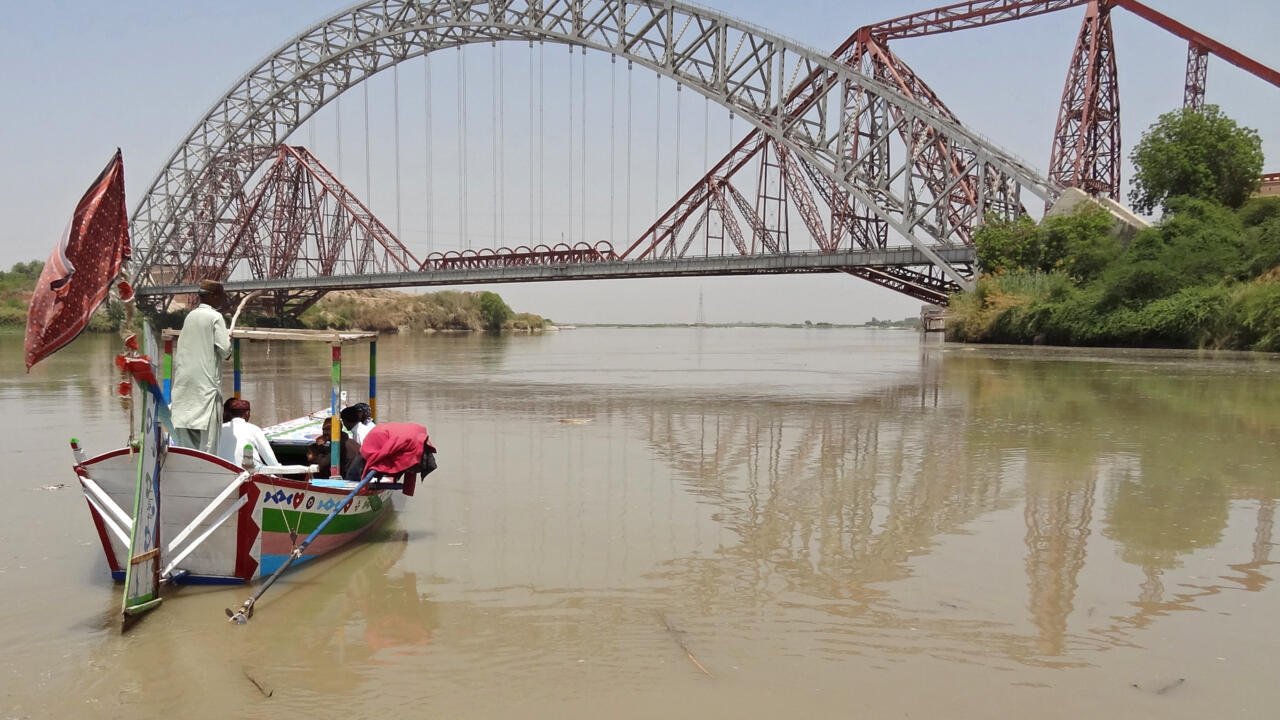
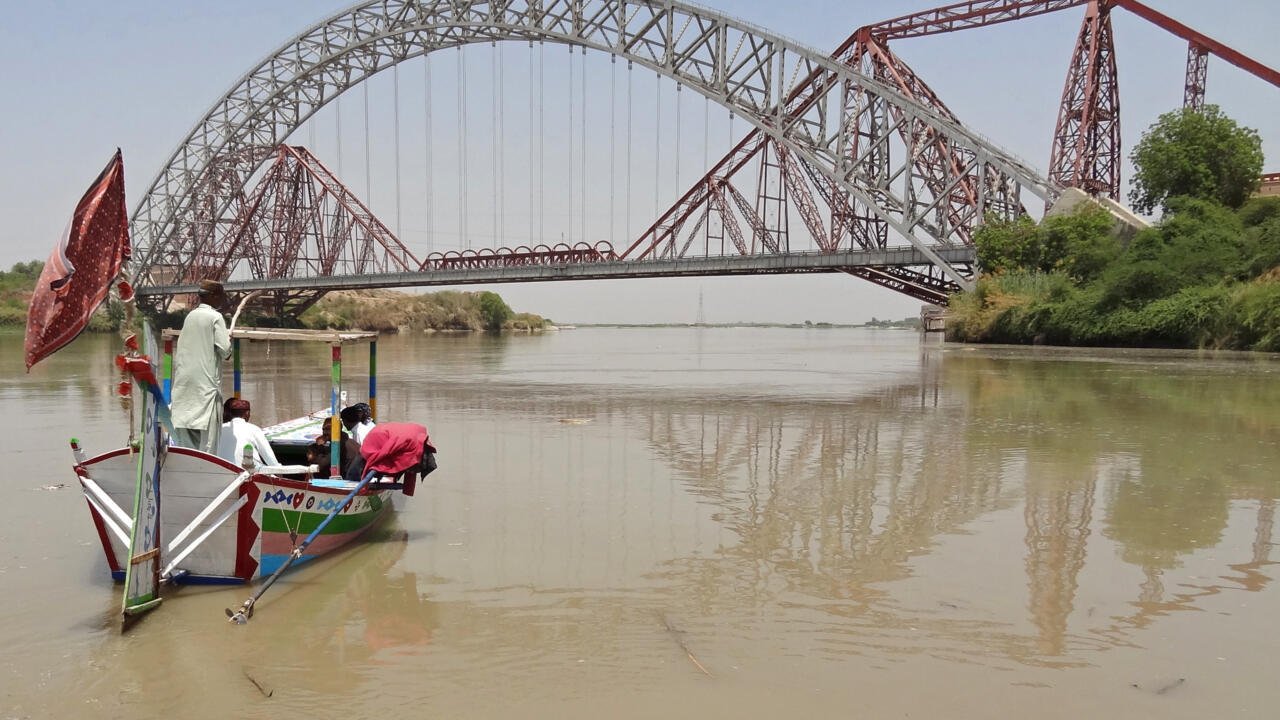
The treaty covers six rivers that originate in India and flow into Pakistan, including the Indus itself. The waterway is a point of extreme geopolitical sensitivity, as it traverses the disputed Himalayan region of Kashmir, a territory claimed in its entirety by both nuclear-armed neighbors.
The legal standoff escalated in May 2025, when India announced it was suspending its membership in the treaty, citing Pakistan’s alleged support for a deadly attack on tourists in Indian-administered Kashmir. Pakistan has consistently denied these accusations.
Following the court’s ruling, India’s Foreign Ministry was swift to reject the decision. “India categorically rejects its so-called award, just as it has firmly rejected all prior pronouncements by this illegally constituted body,” the ministry stated, maintaining that its decision to keep the treaty “in abeyance” remains in effect.
Court Orders Construction Halt
Beyond the question of treaty membership, the tribunal took concrete action regarding infrastructure development. The court issued interim measures prohibiting India from continuing work on two specific hydroelectric projects, citing potential breaches of the treaty’s design and operation standards. India has been ordered to pause construction on a dam wall and provide regular updates until a final expert ruling is delivered, which is anticipated next year.
Pakistan, meanwhile, has lauded the court’s intervention. Ishaq Dar, Pakistan’s Deputy Prime Minister and Foreign Minister, stated on social media that the ruling “vindicates Pakistan’s consistent position that a binding international treaty cannot be unilaterally suspended or set aside.” He affirmed that Pakistan remains fully committed to defending its rights under the international framework.
Escalating Tensions
The legal friction comes against a backdrop of increasingly hostile rhetoric. Earlier this year, India’s Water Minister C.R. Patil vowed that the government would ensure “not a single drop of water” flows into Pakistan. Islamabad has previously characterized any move to weaponize or significantly obstruct these cross-border waterways as an “act of war.”
Experts warn that water is rapidly emerging as a primary flashpoint in the region. As climate change disrupts traditional weather patterns and rapid population growth stresses agricultural economies, the Indus Waters Treaty—previously considered a rare model of diplomatic cooperation—is now facing its most severe existential test.
By declaring the treaty “fully in force,” the tribunal has attempted to maintain a fragile legal guardrail in a region where water scarcity could exacerbate existing territorial and political animosities.