








Apple’s Impending Foldable Pivot: 4 Lessons to Learn From Samsung’s Galaxy Z Fold 8
As the anticipation builds for Apple’s September 9 launch event, rumors are swirling that the tech giant might finally unveil its first-ever foldable iPhone. While Apple is no stranger to entering a market segment after its rivals have already established a foothold, entering the foldable race requires a different strategy than the company’s previous forays into smartwatches or tablets.
With competitors like Samsung, Google, and Motorola having refined their hardware over several generations, Apple finds itself playing catch-up. Samsung, currently the clear leader in the category, has just released the polished Galaxy Z Fold 8. If Apple is serious about capturing this market, it should look closely at the strengths—and current gaps—of Samsung’s latest flagship to ensure its own foldable iPhone debut is a success.
Here are four essential lessons Apple should take away from the current state of foldable technology.
1. Bring Back the Versatility of “Flex Mode”
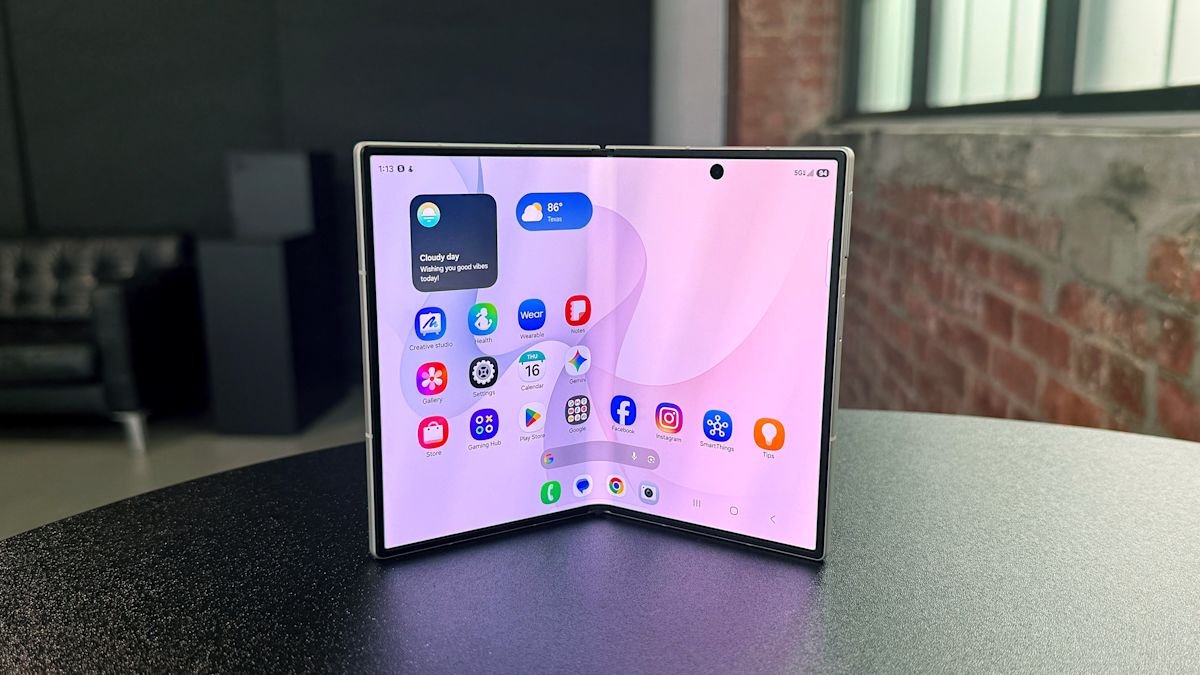
One of the most defining features of early foldables was the ability to hold the device in a partial, L-shaped “Flex Mode.” This allowed users to prop the phone up on a flat surface, turning the bottom half into a control deck and the top half into a display. It was a game-changer for hands-free video calls, creative photography, and multitasking. Unfortunately, this feature has been sidelined in newer iterations like the Z Fold 8 due to hinge design shifts. For Apple, reintroducing a high-fidelity version of this “built-in stand” experience would be a massive win for productivity and ease of use.
2. Software Compatibility is Non-Negotiable
A foldable phone is only as good as the software that powers it. The real challenge for any foldable device is maintaining a seamless experience as users transition between a tall, narrow outer display and a large, immersive inner screen. While Samsung has made great strides, the ecosystem is fragmented. Apple, which maintains tighter control over its App Store and native application suite, has a unique opportunity here. To avoid immediate user frustration, Apple must ensure that its first-party apps are fully optimized for multi-screen workflows from day one.
3. Build Quality Must Be “Day One” Perfect
Apple’s reputation is built on premium hardware, but a foldable device faces unique physical stresses that a standard bar phone does not. Samsung has spent seven generations engineering its hinges and folding displays to the point where the Z Fold 8 feels remarkably robust, with a nearly invisible crease. If Apple launches a foldable, it cannot afford the “growing pains” that plagued early-generation foldables from other manufacturers. The device must feel sturdy, reliable, and capable of enduring the rigors of daily life without requiring users to “baby” the screen.
4. Make It Fun, Not Just Functional
The most successful tech devices don’t just solve problems—they evoke a sense of curiosity. The Galaxy Z Fold 8 manages to recapture a sense of “tech whimsy” that has been missing from the smartphone market for years. It turns basic tasks into an engaging, multi-dimensional experience. For Apple to truly win over its loyal base, the foldable iPhone needs to feel more than just a novelty; it needs to be an intuitive, joyful device that makes users wonder how they ever got by without a folding display in their pocket.
As September 9 approaches, the world waits to see if Apple will redefine the foldable form factor or simply join the fray. By focusing on durability, software optimization, and user-centric features like stand-up functionality, Apple has the chance to set a new standard for what a foldable smartphone can actually achieve.