









India’s Economy Defies Expectations with Robust 7.8% Growth in Q1
India’s economy demonstrated remarkable resilience in the first quarter of the 2026-27 fiscal year, posting a growth rate of 7.8% for the period ending in June. The figures, released by the Ministry of Statistics and Program Implementation, significantly outperformed market forecasts, which had anticipated a more modest expansion of 7.1%.
The latest data matches the 7.8% growth rate recorded in the previous quarter, signaling consistent momentum despite a challenging global economic climate. According to government reports, the expansion was primarily fueled by strong output in the financial, real estate, information technology, and professional services sectors.
A Pillar of Stability
While the agricultural sector showed signs of sluggishness, the manufacturing and services industries saw a sharp uptick in performance. Economists are pointing to this domestic strength as a primary reason for the country’s steady trajectory.
“The Iran war has not impacted India’s growth as feared,” noted Aastha Gudwani, India chief economist at Barclays. Speaking to CNBC’s Inside India, Gudwani highlighted that out of 20 high-frequency indicators tracked by the bank, the majority suggested that momentum remained strong. She added that consumer demand remains “robust,” supported by steady automobile sales and healthy loan growth.
Navigating Global Headwinds
The strong performance comes even as the Reserve Bank of India (RBI) has issued cautious outlooks. Earlier this month, the central bank characterized the national economy as “resilient” but warned that growth could decelerate over the remainder of the financial year. The RBI had initially projected a more conservative 7.0% growth rate for the April-to-June quarter.
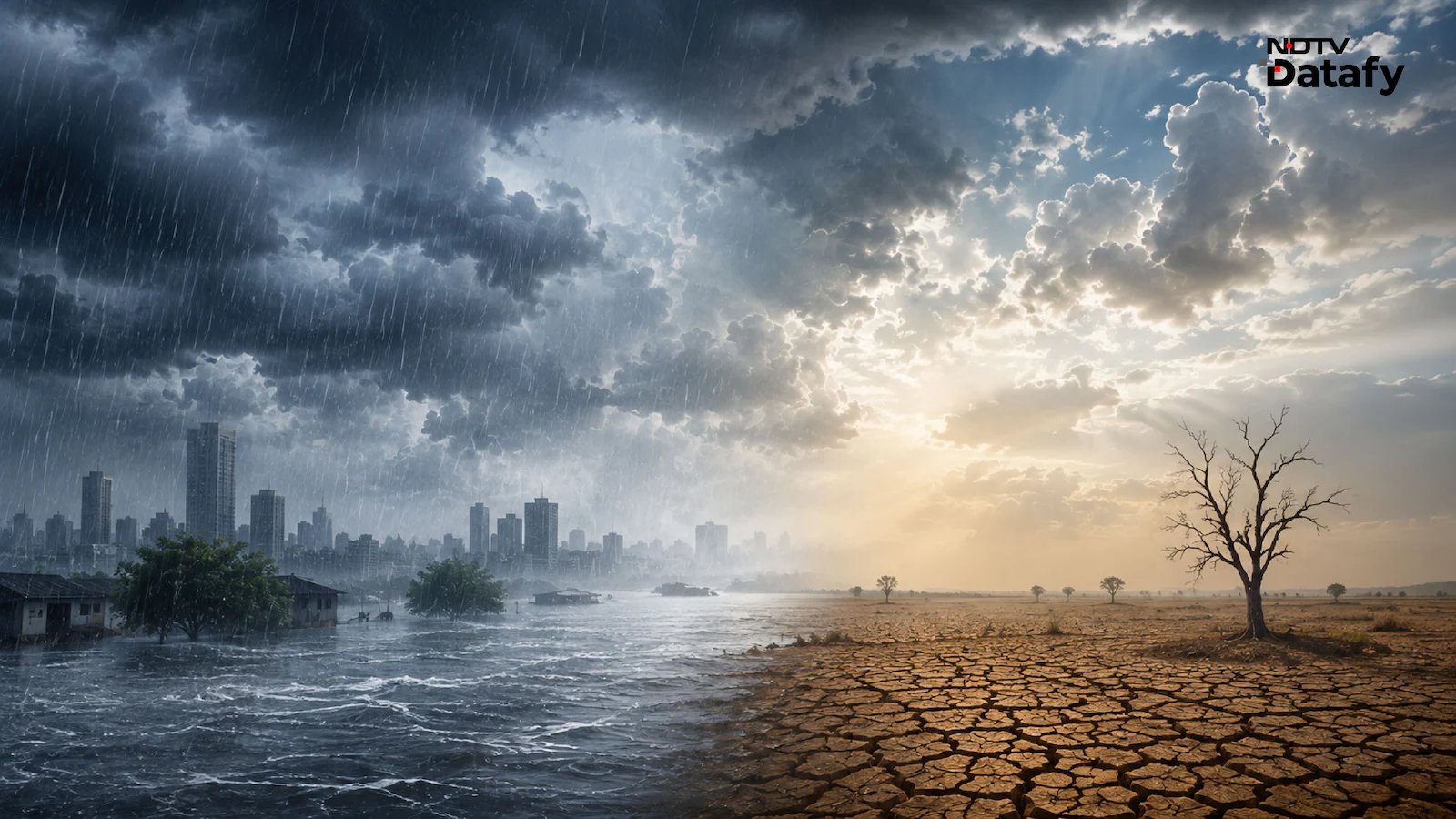
The central bank cited “the turbulent global economic environment” as a major risk factor, specifically noting that elevated energy prices and lingering supply chain pressures continue to create uncertainty. Furthermore, there are ongoing concerns regarding the agricultural sector; the RBI warned that El Niño conditions could lead to a deficient and uneven monsoon season, which poses a significant threat to rural demand.
The Inflation Dilemma
Economic policy remains in a delicate balancing act. While India’s GDP growth has remained impressive, inflationary pressures are mounting. India’s headline inflation has climbed for nine consecutive months, reaching 4.45% in July.
Despite this upward trend, the RBI maintained its stance during its August policy meeting, opting not to hike interest rates—a decision that contrasts with the actions of several regional peers who have aggressively tightened monetary policy. For now, policymakers appear to be prioritizing the maintenance of growth momentum while closely monitoring the volatility of global energy markets.