






London Council Sounds Alarm Over Thames Water’s Drought Resilience Plans
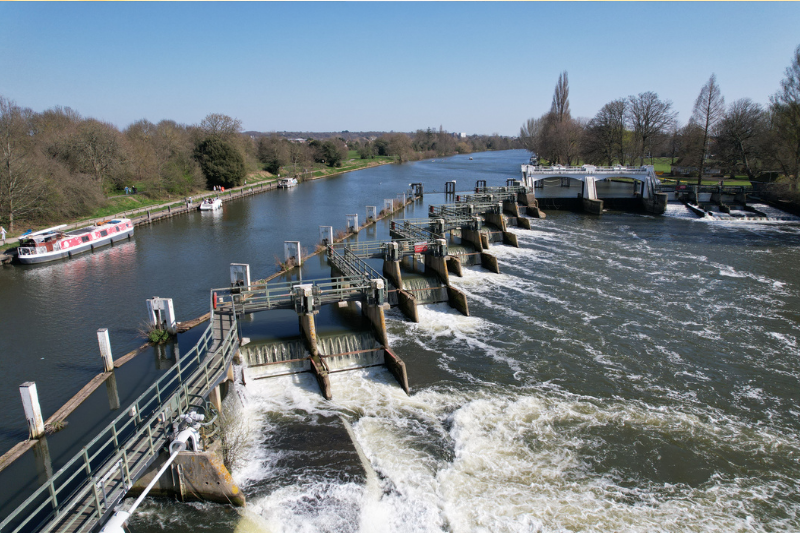
A London council has formally expressed deep-seated concerns regarding a proposed drought resilience scheme, warning that the project could lead to dangerous surges in pollutant concentrations within the River Thames at Teddington.
The initiative, spearheaded by Thames Water, is intended to secure the region’s water supply during periods of extreme dry weather. However, local authorities have challenged the utility company’s environmental modeling, arguing that the strategy fails to adequately account for the ecological impact of discharging treated wastewater into the river.
Environmental Risks Under Scrutiny
At the heart of the council’s objection is the potential for increased chemical and biological contaminants to be released into the waterway. Officials fear that during low-flow periods—when the river’s natural capacity to dilute waste is already compromised—the discharge from the facility could cause toxic spikes, threatening local aquatic life and compromising water quality for downstream users.
The council’s statement highlights a growing lack of confidence in the developer’s current mitigation strategies. According to local representatives, the environmental impact assessments provided by Thames Water remain insufficient. They argue that the company’s assurances regarding the project’s safety are not supported by robust, transparent data, leaving residents and environmental groups wary of long-term consequences.
A Growing Clash Over Water Infrastructure
The standoff reflects broader tensions between the urgent need for infrastructure upgrades in the face of climate change and the responsibility to protect urban river ecosystems. As Southern England faces increasingly frequent drought conditions, Thames Water maintains that the Teddington scheme is a vital component of its long-term resource management plan.
However, the council’s intervention signals a significant roadblock. By demanding more rigorous scrutiny and more comprehensive protections, the local authority is effectively calling for a redesign of the discharge mechanisms to ensure that water security does not come at the cost of the river’s health.
For now, the project remains under intense observation. Stakeholders are calling for an independent review of the discharge protocols, asserting that the environmental risks must be fully quantified before any further progress is made.