







PM Modi Urges Restraint on Gold Imports and Foreign Travel Amid Global Economic Headwinds
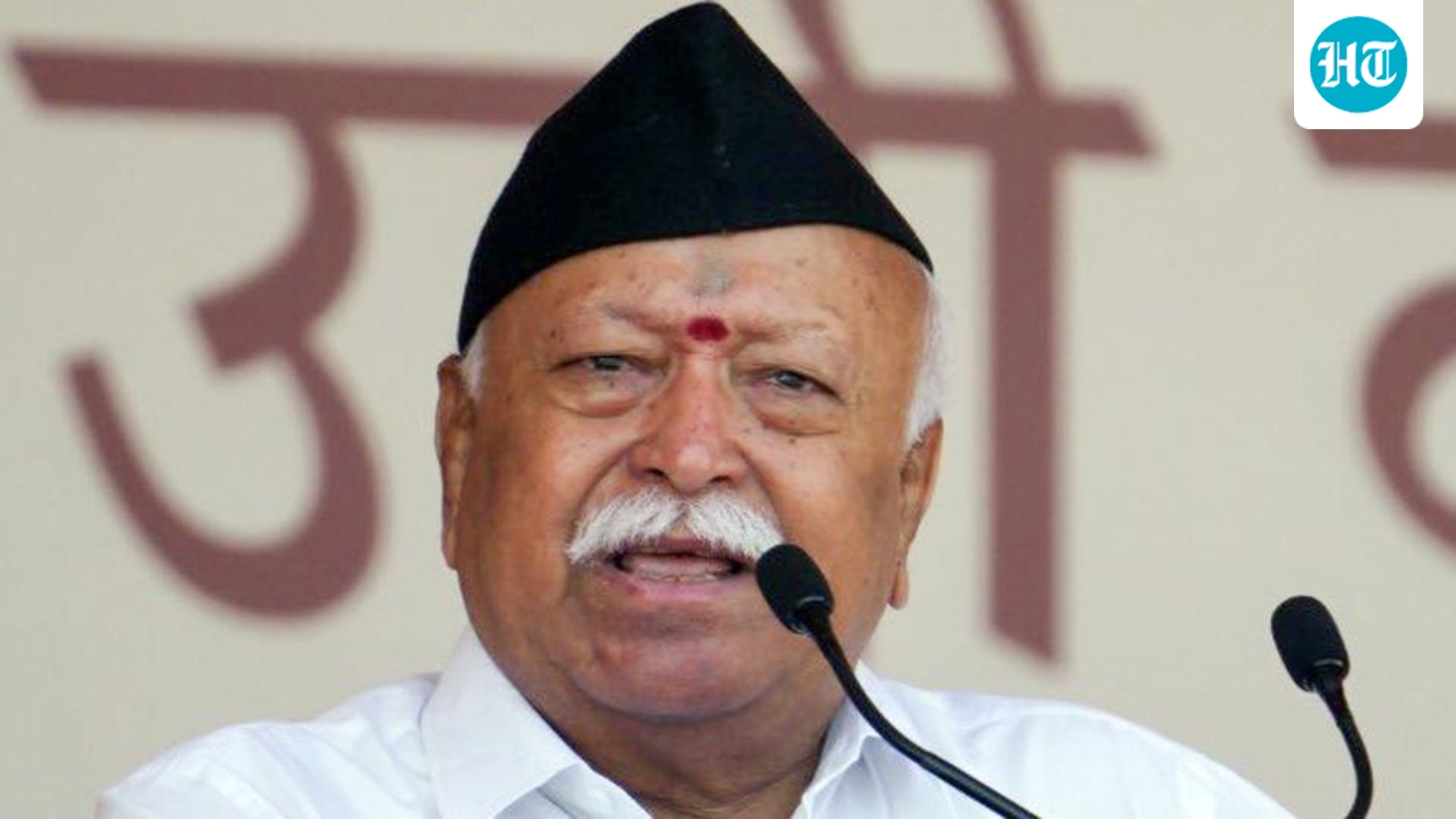
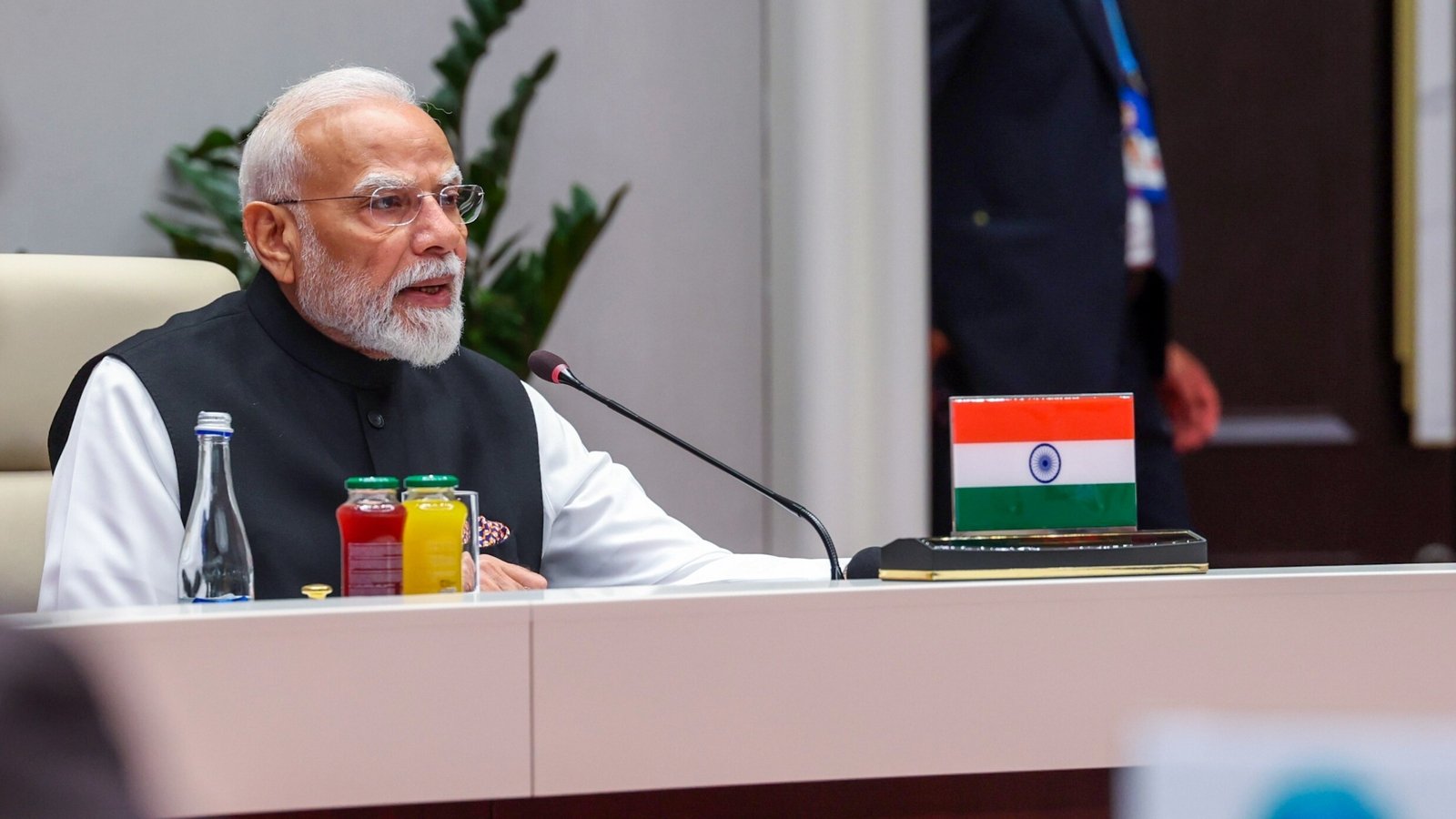
BISHKEK – Prime Minister Narendra Modi has renewed his call for national economic prudence, urging Indian citizens to curb non-essential gold purchases and reconsider leisure travel or destination weddings abroad. Speaking via video message from the Shanghai Cooperation Organisation (SCO) summit in Bishkek on Tuesday, the Prime Minister framed the appeal as a vital component of his swadeshi (self-reliance) vision during a period of intense global volatility.
The Prime Minister’s message comes against a backdrop of domestic resilience; India recently reported a robust 7.8% GDP growth for the quarter ending in June. However, Modi cautioned that this progress must be safeguarded against the external pressures of ongoing geopolitical conflicts, energy market instability, and disrupted supply chains.
“Foreign trips, if you are going for leisure, you should not go. If you are getting married abroad, you should not do so. And if it is not necessary, you should not buy gold either,” the Prime Minister stated.
The Economic Logic: Conserving Foreign Exchange
The government’s primary concern lies in the drain on foreign exchange reserves. As India remains the world’s second-largest consumer of bullion, relying almost entirely on imports, gold represents a massive, non-productive outflow of capital. Unlike industrial machinery or technology that fuels future production, gold imports for cultural and investment purposes exacerbate the country’s trade deficit without contributing to economic expansion.
The urgency of the appeal is underscored by recent data: gold shipments for the first four months of the current fiscal year have surged by over 32% compared to the previous year. Simultaneously, India’s merchandise trade deficit reached a staggering $32 billion in July—the highest level since the start of the year.
A Dual Burden: Oil and Gold
India’s external account is currently squeezed by two major fronts. With the country importing over 88% of its crude oil, the ongoing conflicts in West Asia and threats to transit routes like the Strait of Hormuz have rendered energy prices highly unpredictable.
When high-cost energy imports coincide with a rise in gold consumption, the pressure on the rupee intensifies. By urging citizens to reduce discretionary spending on gold and overseas travel, the government hopes to curb the demand for US dollars, thereby providing a buffer against currency depreciation and broader economic shocks.
Beyond Savings: The ‘Swadeshi’ Philosophy
The Prime Minister’s appeal is an extension of his long-standing push for domestic self-reliance. The administration contends that when Indians opt for domestic tourism or locally produced goods, they help keep capital within the Indian ecosystem, directly stimulating local businesses.
This is not the first time the government has issued such guidance. A similar plea was made in May, during the peak of US-Iran tensions, where the PM advised citizens to conserve fuel, embrace remote work, and prioritize public transport to strengthen the nation’s energy security.
Navigating Uncertainty
While India’s 7.8% growth rate remains a testament to the country’s economic strength, the government is wary of complacency. The recent growth figures represent a slight deceleration from the 8.6% recorded in the March quarter, and persistent global tensions leave little room for error.
By linking individual consumption habits to national security and long-term prosperity, the government is attempting to build a collective shield against external instability. “The more we emphasise swadeshi, the more we emphasise self-reliance, I have firm faith that when it is 100 years of independence, we will present a developed India to our young generation,” Modi emphasized.
As the current economic climate remains fraught with geopolitical risk, the message from the top is clear: collective restraint today is a strategic investment in India’s economic future.