







SCO Nations Condemn ‘Double Standards’ in Anti-Terror Efforts, Call for Global Cooperation
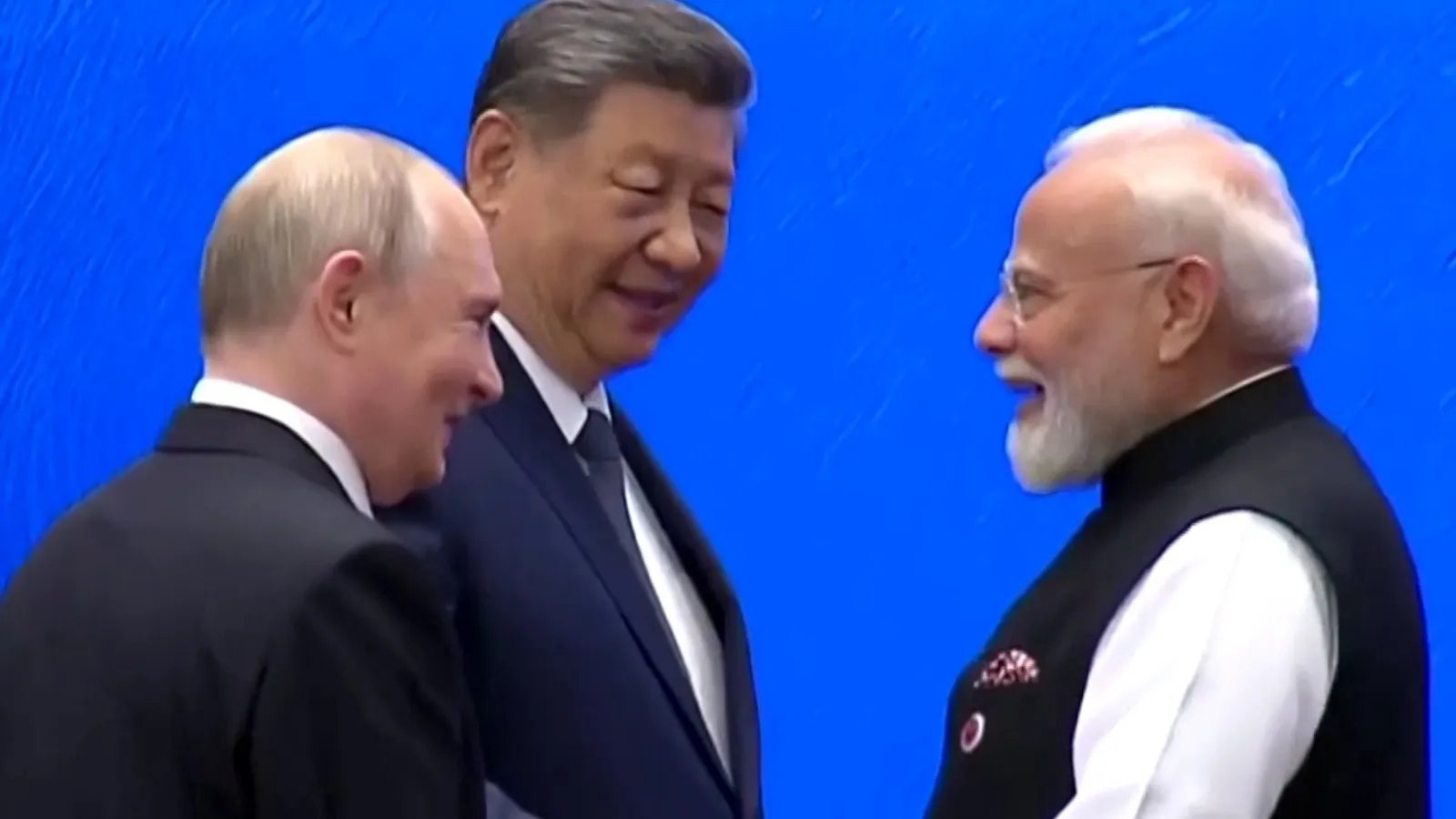
BISHKEK – In a significant display of regional consensus, leaders from the Shanghai Cooperation Organisation (SCO) concluded their summit in Bishkek this week by issuing a joint declaration that mounts a firm challenge to the “double standards” currently plaguing global counter-terrorism efforts.
The Bishkek Declaration, endorsed by member states including India, Pakistan, Iran, Russia, China, and various Central Asian nations, explicitly demands that the international community take decisive action against the cross-border movement of terrorists.
A Unified Stand Against Terror
For India, the inclusion of language targeting cross-border terrorism is of paramount importance. New Delhi has long maintained that its neighbor, Pakistan, serves as a primary state actor in facilitating such threats.
The declaration leaves little room for ambiguity, stating: “Member States strongly condemn terrorism in all its forms and manifestations, emphasize that ‘double standards’ in the fight against terrorism are unacceptable, and call on the international community to combat terrorism, including the cross-border movement of terrorists.”
The document further calls for the United Nations to play a central role, urging full implementation of the UN Global Counter-Terrorism Strategy. It warns against the “inadmissibility of attempts to exploit terrorist, separatist, and extremist groups for selfish purposes,” signaling a pushback against nations that may use non-state actors as instruments of foreign policy.
Regional Conflicts and Geopolitical Tensions
The summit also served as a platform to address the volatile situation in the Middle East. The declaration expressed “deep concern” over the ongoing conflict between Israel and Iran, explicitly condemning military strikes on Iranian territory. The signatories underscored that such actions violate the UN Charter and threaten global stability.
This move is particularly notable for India, which maintains a strategic partnership with Israel. The explicit criticism of U.S. and Israeli-aligned actions reflects a shift toward a more independent diplomatic posture within the SCO framework.
Amidst the backdrop of the ongoing war in Ukraine and regional tensions in the South China Sea, the SCO sought to clarify its identity. Addressing Western suspicion that the grouping acts as a military bloc, the declaration emphasized that the organization is “not directed against other states” and operates strictly on the principles of openness, sovereign equality, and non-interference.
Multipolarity and Diplomatic Cooperation
The declaration highlighted the transition into an era of profound geopolitical and technological change, noting that energy and food security have been severely impacted by global conflicts.
In a nod to India’s diplomatic influence, the summit incorporated the G20 mantra, “One Earth, One Family, One Future,” as a cornerstone for future cooperation. Furthermore, in recognition of India’s role in the bloc, the SCO amended its charter to officially include English as a working language.
As the organization looks ahead, the presidency is set to pass to Pakistan for 2027. This transition will be closely monitored by global observers, particularly concerning how India navigates its participation in an organization where it often holds divergent views from the host nation.
The firm stance taken in the Bishkek Declaration confirms that while the SCO remains a diverse grouping of nations, it is increasingly committed to projecting a unified narrative against Western-led definitions of human rights and security, instead favoring a vision of a “representative, democratic, and equitable multipolar world order.”