








Climate Resilience and Nature Restoration: Europe’s Critical Path Forward
By EURACTIV Staff
As Europe faces an increasingly volatile climate landscape, the urgency surrounding ecological stability has reached a fever pitch. In today’s comprehensive edition, we examine the shifting strategies behind nature restoration, the evolution of wildfire emergency responses, and the intensifying push for drought preparedness across the continent.
Restoring the Natural Balance
The European Union’s commitment to biodiversity is undergoing a stress test. With the implementation of the Nature Restoration Law, member states are now tasked with the monumental challenge of rehabilitating degraded ecosystems. Policy experts argue that beyond aesthetic value, healthy forests, wetlands, and peatlands serve as essential natural infrastructure, providing critical carbon sequestration and flood mitigation services.
The Growing Threat of Wildfires
The seasonal threat of forest fires has shifted from a Mediterranean concern to a pan-European crisis. As temperatures climb and seasonal patterns become increasingly erratic, traditional firefighting methods are proving insufficient.
The conversation has now moved toward radical adaptation. Policymakers are looking beyond immediate suppression techniques, debating how better land management and urban planning can prevent these disasters from escalating. However, the political friction remains high. As recent analysis highlights, there is a deep tension between ambitious emission targets and the reality of mounting environmental disasters, as seen in the ongoing debates regarding whether current climate aspirations are realistically aligned with our survival capacity.
Preparing for a Drier Future
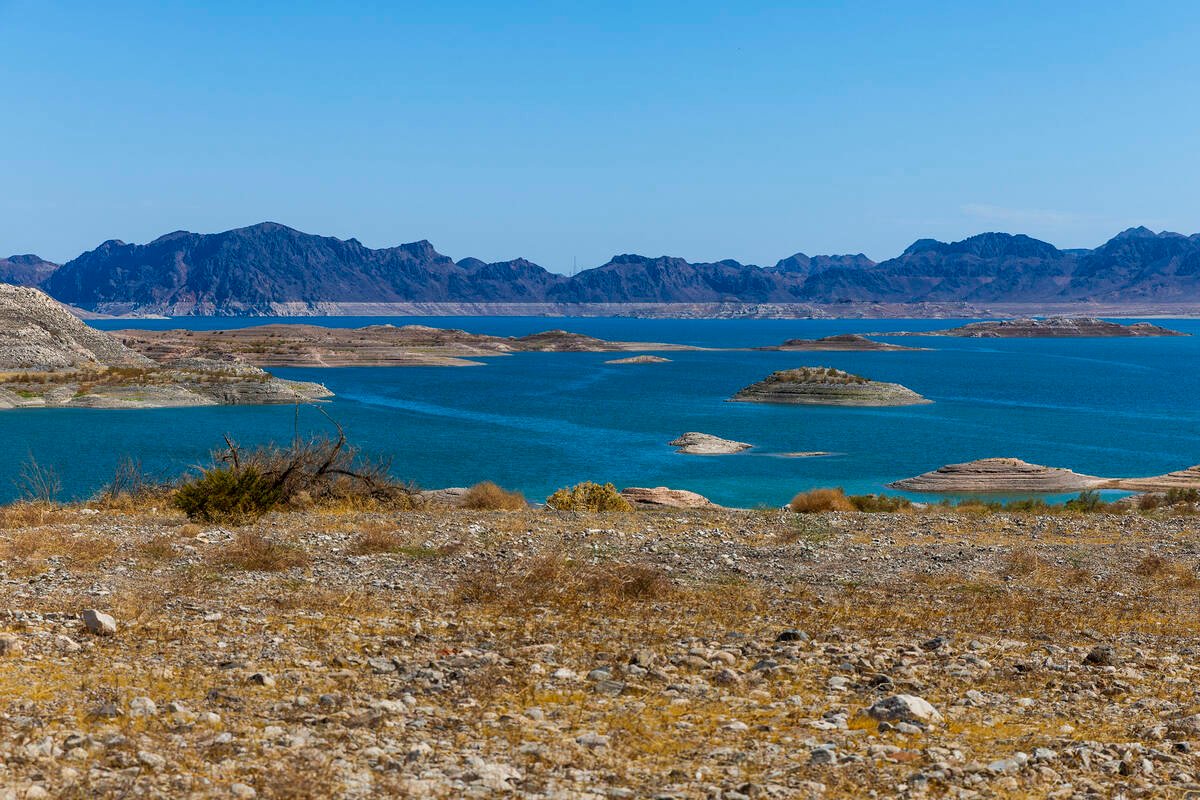
Drought preparedness is no longer a peripheral issue—it has become a central pillar of economic and agricultural security. With groundwater levels reaching record lows in several key regions, the focus is turning toward water resilience. Proposed solutions include the modernization of irrigation technology, the recycling of wastewater, and the urgent protection of watersheds.
As the continent navigates these interconnected challenges, the consensus is clear: reactive measures are no longer enough. From the reforestation of arid lands to the implementation of cross-border water sharing agreements, Europe’s ability to survive the coming decade will depend on its capacity to integrate nature-based solutions into the very core of its industrial and political framework.
Stay tuned as we continue to track the legislative developments and on-the-ground impacts of these environmental policies throughout the week.