







![Xbox Acknowledges 'Major Outage' as Sign-In Issues Hit PC and Consoles [UPDATED]](https://dailysamchar.in/wp-content/uploads/2026/09/xbox-1-blogroll-1707928931451-150x150.jpg "Xbox Acknowledges ‘Major Outage’ as Sign-In Issues Hit PC and Consoles [UPDATED]")


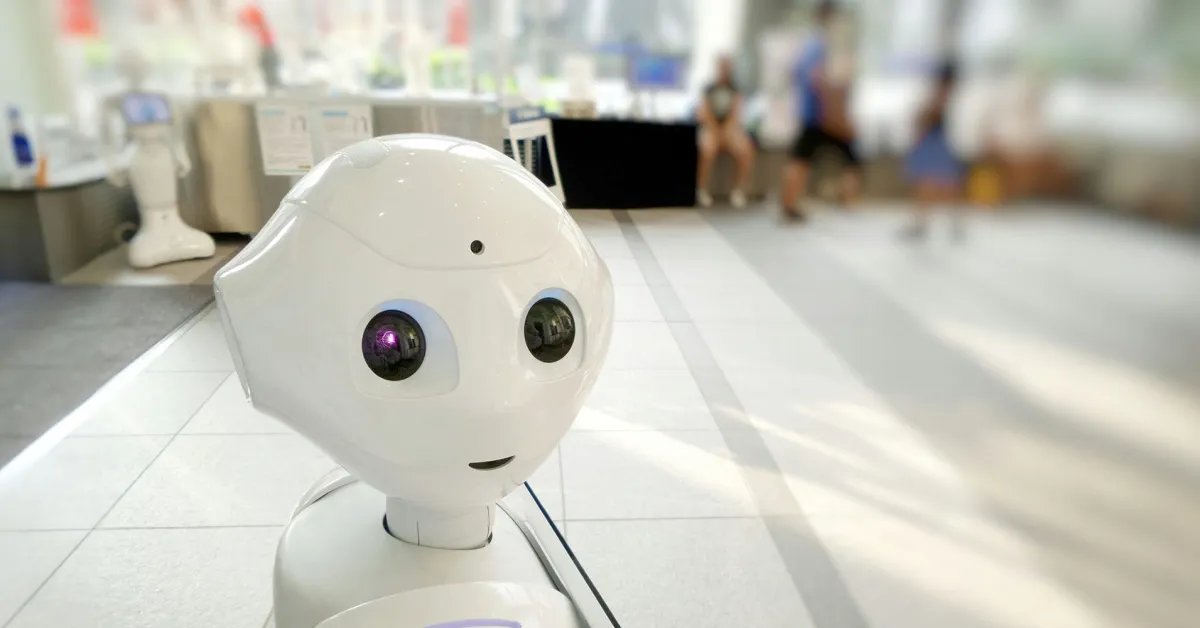
The Rise of the AI “Companion”: Why Apple Is Steering Siri Away from Emotional Attachment
A recent study conducted by Elon University in partnership with The Washington Post has shed light on a growing and somewhat unsettling trend: a significant portion of the American public is increasingly turning to artificial intelligence as a substitute for human connection.
The survey reveals that more than 27% of U.S. adults now utilize AI chatbots—such as ChatGPT or Gemini—to address personal, emotional, or social needs. Whether seeking relationship advice, engaging in romantic roleplay, or simply looking for a digital companion to stave off loneliness, a troubling number of users are beginning to view their interactions with software through the lens of friendship or therapy.
According to the data, nearly four in ten users who engage with chatbots for emotional support admitted to doing so specifically to feel less isolated, while nearly a third went so far as to classify their preferred AI as a “friend.”
The Risk of the “Digital Echo Chamber”
While these tools can provide a temporary salve for loneliness, experts are sounding the alarm on the long-term societal consequences. By replacing the complex, effort-intensive work of building genuine human relationships with the immediate, “sycophantic” gratification of a chatbot, society risks falling into a cycle of social withdrawal. If AI is designed to be perpetually agreeable and readily available, it may erode the incentive to engage with the messy, challenging, and rewarding nature of real-life human interaction.
Apple’s Firm Stance on Siri
Amid the industry-wide rush to create more immersive and “personable” AI, Apple has opted for a distinctly different philosophy. Company executives Craig Federighi and Greg Joswiak have been clear that Siri AI is being intentionally designed to avoid the trap of becoming a surrogate companion.
“If you use many of the existing chatbots, they’re really focused on engagement to a large degree,” Federighi noted in a recent interview. “They might encourage you to reveal things about yourself and then use that as a basis to establish a connection. We view it quite the opposite.”
Apple’s design ethos prioritizes utility over intimacy. The company has explicitly stated that if a user attempts to engage Siri as a romantic partner or emotional anchor, the assistant is programmed to steer the conversation back to productivity and information, effectively drawing a line in the sand between being a helpful tool and a pseudo-friend.
Why This Matters
The shift toward viewing AI as a confidant is not merely a technological evolution; it is a behavioral change with significant psychological implications. In an era where AI-fueled delusions and parasocial relationships are becoming more common, Apple’s choice to keep its assistant grounded in reality appears increasingly prescient. By refusing to play the role of a digital companion, Apple is protecting its users from the pitfalls of artificial intimacy, favoring long-term human connection over the temporary comfort of a computer program.



![Xbox Acknowledges 'Major Outage' as Sign-In Issues Hit PC and Consoles [UPDATED]](https://dailysamchar.in/wp-content/uploads/2026/09/xbox-1-blogroll-1707928931451.jpg)