









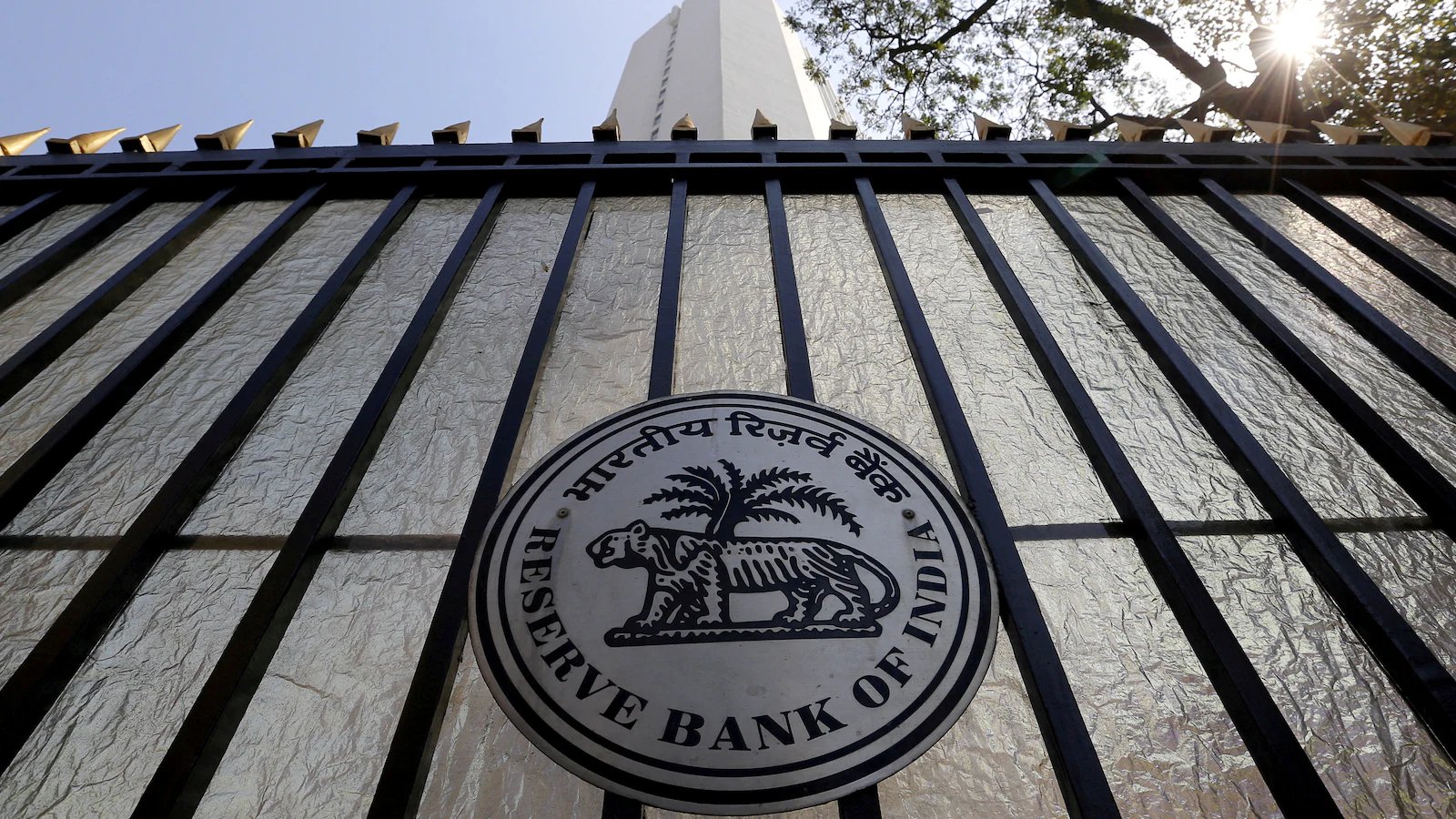
India’s Strategic Dollar Push: RBI’s Swap Facility Secures $136 Billion in Record-Breaking Inflow
NEW DELHI: In a significant boost to its financial stability, India has successfully concluded a highly ambitious foreign currency mobilization effort. Provisional data released by the Reserve Bank of India (RBI) reveals that a specialized US dollar-rupee swap facility, launched on June 8 to shore up foreign exchange reserves, has netted a staggering $136 billion as of August 31.
The program was designed to provide a critical safety net for the Indian economy by attracting foreign currency through three primary conduits: Foreign Currency Non-Resident (FCNR(B)) bank deposits, overseas foreign-currency borrowings, and external commercial borrowings (ECBs).
A Diaspora-Led Surge
The response from the Indian diaspora and global investors has been nothing short of extraordinary. Of the $136 billion raised, the vast majority—approximately $127 billion—came from NRI deposits, which accounted for nearly 93% of the total inflows. The remaining balance was comprised of $5 billion in overseas foreign-currency borrowings and $3.8 billion in external commercial borrowings.
Government officials have hailed the influx as a robust “vote of confidence” from Non-Resident Indians in the country’s banking system and its long-term macroeconomic trajectory.
Ahead of Schedule
The momentum of the scheme proved to be far stronger than analysts initially anticipated. Between August 21 and August 31, the country saw a massive surge of over $63 billion in just 10 days. This accelerated pace prompted the RBI to terminate the FCNR(B) deposit window a full month earlier than the original September 30 deadline, as the facility had already surpassed its core objectives.
For perspective, the current haul represents a landmark achievement in India’s fiscal history. It dwarfs the results of a similar RBI swap scheme launched in 2013, which mobilized $26 billion over a three-month period. The latest program has outperformed that effort by more than five times.
Bolstering External Buffers
Finance Ministry officials noted that the primary goal of the initiative was to fortify India’s “external buffers.” By increasing the pool of foreign currency reserves, the RBI is better positioned to navigate global market volatility, mitigate the risks of sudden capital flight, and maintain economic resilience against external shocks, such as fluctuating global oil prices.
While the FCNR(B) deposit window has closed, the channels for overseas and external commercial borrowings remain operational until December 31. As a result, the current $136.4 billion figure is considered a preliminary snapshot, with analysts expecting the final tally to grow further as year-end deadlines approach.
As global currency markets remain unpredictable, this massive infusion of liquidity provides the RBI with a significant cushion, marking this initiative as one of the most successful interventions of its kind in recent years.