







Wing Commander Abhinandan Varthaman Retires from Indian Air Force, Begins Commercial Aviation Career
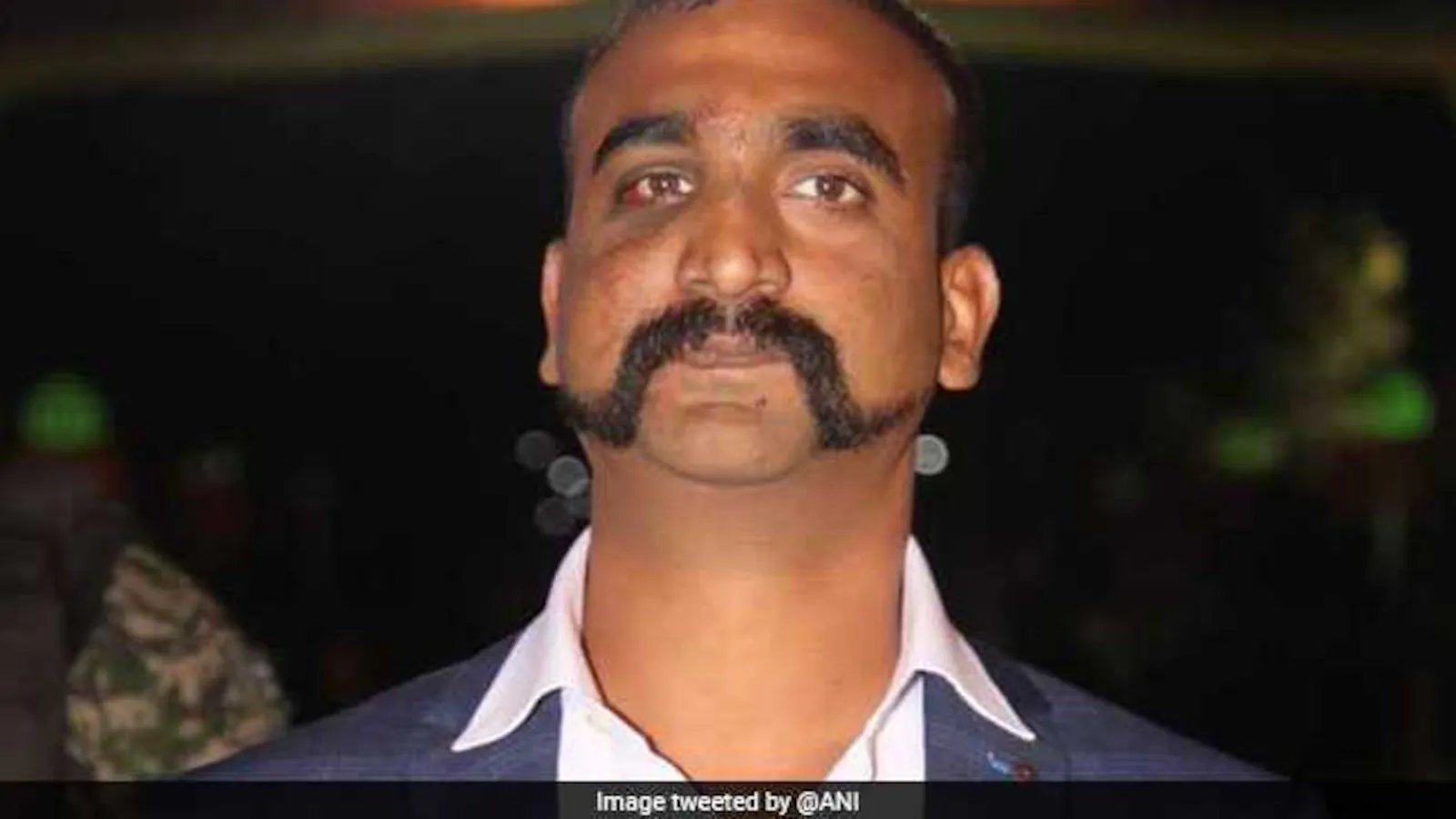
New Delhi: Group Captain Abhinandan Varthaman, the decorated Indian Air Force (IAF) fighter pilot who became a household name following the 2019 cross-border aerial standoff, has opted for premature retirement after 22 years of distinguished service. The officer has transitioned into the private sector, joining the Goa-based regional carrier FLY91 as a commercial pilot.
According to reports citing industry sources, the Vir Chakra awardee transitioned to his new role in the aviation industry this past August. Neither the former officer nor the airline has released an official statement regarding the move, with a spokesperson for FLY91 citing the company’s policy of maintaining the privacy of its employees.
FLY91, a burgeoning regional airline that launched commercial operations in March 2024, currently operates a fleet of six ATR 72-600 aircraft, connecting key hubs including Goa and Hyderabad.
A Legacy of Courage
Abhinandan Varthaman gained national and international prominence during the heightened military tensions between India and Pakistan in February 2019. The confrontation followed the Pulwama terror attack, which resulted in the deaths of 40 Central Reserve Police Force (CRPF) personnel. In response, India conducted targeted air strikes against a Jaish-e-Mohammad (JeM) terrorist camp in Balakot.
On February 27, 2019, while intercepting an intruding Pakistani jet during a retaliatory air raid, Varthaman successfully engaged and shot down a Pakistani F-16 fighter jet. During the intense dogfight, his own MiG-21 Bison was struck, forcing him to eject over Pakistani territory.
The Wing Commander was captured and held in captivity for three days, becoming the face of the most significant military crisis between the two nuclear-armed neighbors in decades. His release on March 1, 2019, was widely celebrated across India as a diplomatic and moral victory.
Despite suffering injuries during his ejection and subsequent capture, Varthaman’s commitment to duty never wavered. Later that year, he was conferred with the Vir Chakra, India’s third-highest wartime gallantry medal, in recognition of his “exceptional sense of duty” and immense bravery displayed during the engagement. His move to the private aviation sector marks the end of a storied military career that saw him become one of the most recognizable figures in the history of the modern Indian Air Force.