








Supreme Court Rules Bar Council of India Lacks Jurisdiction Over Law Students
In a landmark ruling that reinforces the autonomy of educational institutions, the Supreme Court of India has categorically declared that the Bar Council of India (BCI) possesses no statutory authority to initiate disciplinary action against law students.
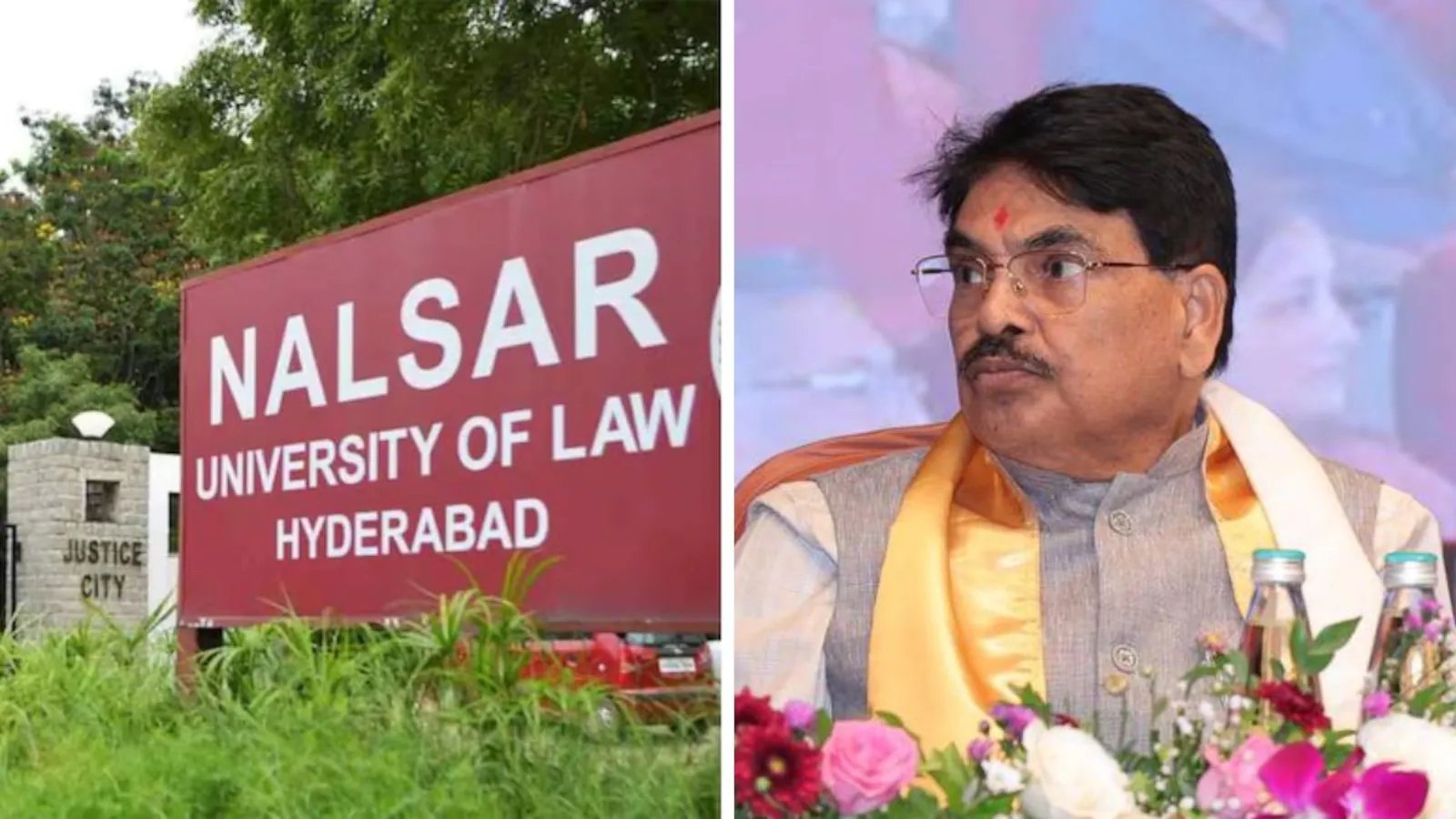
The verdict follows a contentious standoff involving the NALSAR University of Law in Hyderabad, where the BCI had initially issued—and subsequently retracted—a directive targeting students and faculty.
The Scope of Disciplinary Authority
A bench led by Chief Justice of India (CJI) Sanjiv Khanna, alongside Justices Joymalya Bagchi and V. Mohana, clarified the legal boundaries regarding professional regulation. The court emphasized that the BCI and State Bar Councils only acquire disciplinary jurisdiction over an individual once they have graduated and formally enrolled as an advocate.
For currently enrolled students, the court maintained that disciplinary matters fall exclusively under the purview of their parent educational institutions or the designated authorities prescribed by those institutions’ internal bylaws and rules.
Origins of the Conflict
The dispute was ignited on August 13 when BCI Chairman Manan Kumar Mishra issued a controversial order calling for a halt to the enrollment of NALSAR’s 2026 graduating batch. The order further mandated an inquiry into students and faculty members who had allegedly participated in a protest against the Chief Justice of India, who had been invited as the chief guest for the university’s convocation.
The move sparked widespread outrage among the legal fraternity and student activists, prompting the BCI to withdraw the directives just over an hour after they were issued. Chairman Mishra later offered an apology for the move.
Legal Scrutiny
Two NALSAR alumni, Mihira Sood and Abhishek Tiwari, filed a petition in the Supreme Court to ensure that such overreach would not be repeated. Senior Advocate K. Parameshwar, representing the petitioners, successfully argued that the court must examine the legal validity of the Chairman’s actions, regardless of the subsequent withdrawal of the orders.
During the hearing, the Chief Justice of India strongly critiqued the BCI’s interference, questioning why the regulatory body chose to involve itself in a matter concerning student protests and academic administration. The court underscored that students possess a fundamental right to expression, a stance the CJI had previously affirmed while reprimanding the BCI for overstepping its mandate.
Final Verdict
Disposing of the petition, the Supreme Court ruled that the BCI’s communications dated August 13 were issued “without any authority of law.” Consequently, the court made its interim order permanent, ensuring that students and teachers remain protected from any future punitive actions by the BCI or any State Bar Council.
This ruling stands as a significant legal precedent, ensuring that the regulation of law students remains within the academic domain rather than the professional regulatory framework until graduation and formal bar enrollment.