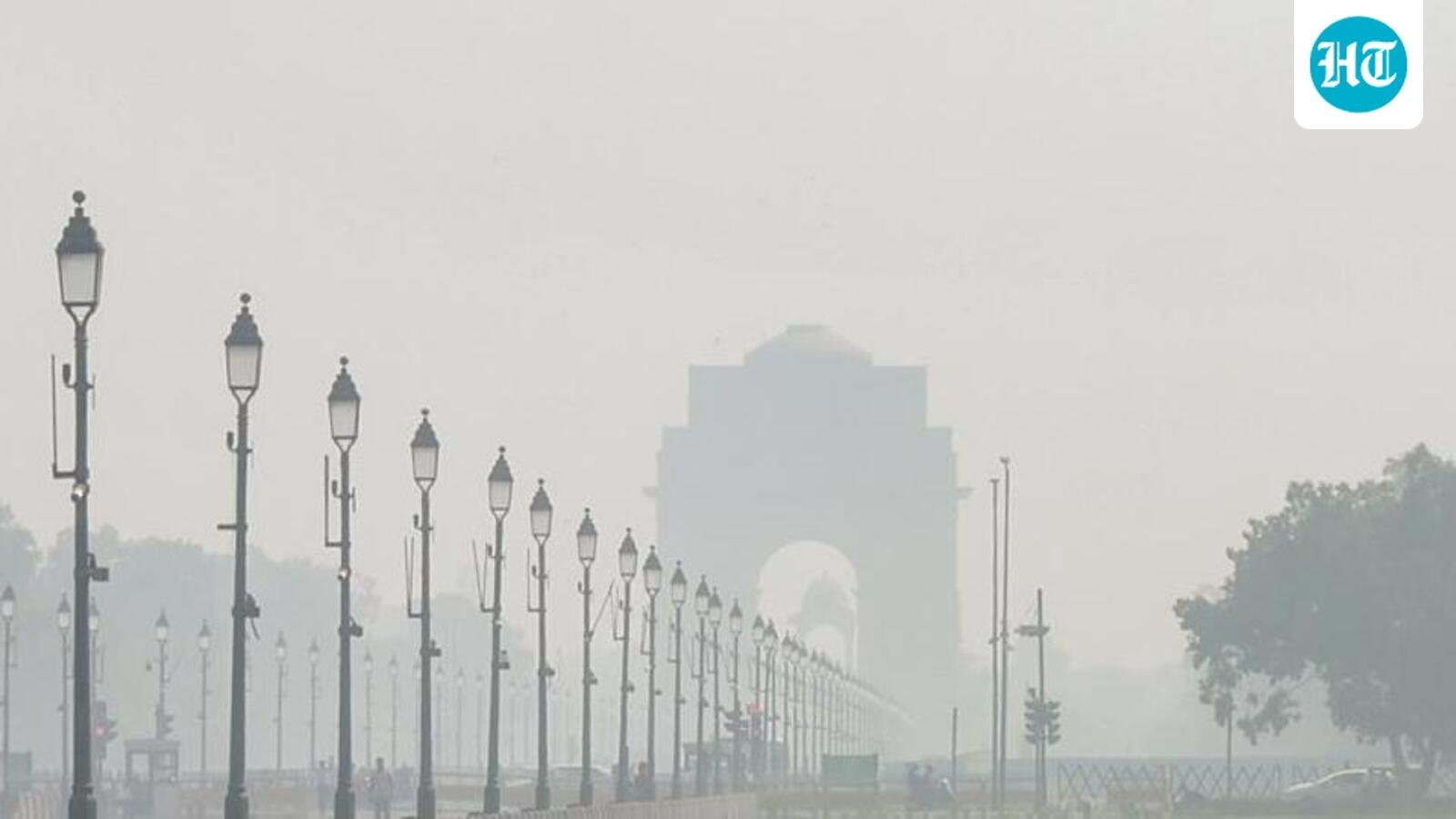










The landscape of Indian urban transportation is undergoing a seismic shift as the government accelerates its push toward widespread electric vehicle (EV) adoption. This transition is not merely an environmental objective but a strategic economic necessity, aimed at reducing the nation’s staggering crude oil import bill and mitigating the deteriorating air quality in major metropolitan hubs. As charging infrastructure expands from high-end residential complexes to highway corridors, the domestic EV market is witnessing a phase of rapid maturation, moving beyond early adopters to the mainstream middle-class consumer.
The Scaling of Charging Infrastructure
The primary hurdle for EV proliferation in India has historically been “range anxiety”—the fear that a vehicle will run out of power before reaching a charging station. Addressing this, the Ministry of Heavy Industries and various state-level electricity boards are implementing aggressive infrastructure mandates. Public sector undertakings, including Indian Oil, Bharat Petroleum, and Hindustan Petroleum, are currently retrofitting thousands of retail outlets with fast-charging stations.
Beyond state initiatives, the private sector is playing a pivotal role. Major real estate developers are now integrating dedicated EV charging ports into the blueprints of new housing societies, a significant departure from the practices of a few years ago. This decentralization of power supply is essential for India, where residential parking spaces are often limited, and the concept of “at-home charging” requires robust grid upgrades to handle high-voltage requirements safely.
Advancements in Battery Technology and Local Production
India’s reliance on imported lithium-ion cells remains a critical vulnerability in its EV roadmap. However, the government’s Production Linked Incentive (PLI) scheme for Advanced Chemistry Cell (ACC) battery storage is incentivizing local manufacturing. Several Indian conglomerates are now establishing giga-factories to localize the production of battery packs tailored to the Indian climate.
Indian conditions present unique challenges for battery longevity: extreme humidity, high ambient temperatures during summer months, and dust accumulation. Consequently, indigenous research and development are focusing on thermal management systems that can operate efficiently without constant air conditioning, which otherwise drains the battery. By localizing the value chain, manufacturers aim to lower the entry price for consumers, bringing the cost of EVs closer to that of their internal combustion engine (ICE) counterparts.
Economic Impact and the FAME Scheme
The Faster Adoption and Manufacturing of Hybrid and Electric Vehicles (FAME) scheme has been the cornerstone of the government’s strategy to provide financial support to the sector. By offering direct subsidies to buyers, the policy has successfully incentivized the purchase of electric two-wheelers, which account for a massive share of Indian personal mobility.
From an economic perspective, the shift to electric transport is projected to significantly improve the current account deficit by reducing petroleum imports. Furthermore, the burgeoning EV ecosystem is fostering a new generation of startups involved in battery recycling, swapping technology, and fleet management. As these companies scale, they contribute to a more resilient automotive supply chain, positioning India as a potential global export hub for electric two-wheelers and three-wheelers in the coming decade.
Addressing Power Grid Resilience and Sustainability
While the transition to EVs is often touted as a green revolution, critics and environmental analysts emphasize the need to green the power source itself. Since a significant portion of India’s electricity grid is still fueled by coal, the environmental benefits of EVs are inextricably linked to the national energy transition toward renewables like solar and wind.
Integration of smart-grid technology is becoming essential to manage the load spikes that come with mass charging. Pilot projects involving vehicle-to-grid (V2G) technology are currently being explored, where parked EVs can potentially feed excess energy back into the grid during peak demand. This symbiotic relationship between the automotive and energy sectors is vital for ensuring that the push for electric mobility does not collapse under the weight of an overburdened distribution network.
The Road Ahead: Challenges and Long-term Vision
Despite the momentum, significant hurdles persist. The secondary market for EVs—resale value and battery life transparency—remains largely undefined, making consumers hesitant. Furthermore, the specialized skill set required to maintain and repair high-voltage electric systems is currently in short supply among the traditional mechanics who sustain India’s vast informal automotive service sector.
To overcome these, vocational training programs are being launched to bridge the skill gap, ensuring that the transition does not leave the workforce behind. As the industry moves toward 2030, the vision is not just a replacement of engines, but a total reimagining of mobility. The focus is shifting toward integrated transport solutions, where electric public buses, metro rails, and personal electric mobility devices function as a single, seamless ecosystem. The success of this transition will depend on continuous policy stability, sustained investment in grid infrastructure, and the ability of domestic manufacturers to innovate products that remain durable and affordable in the diverse conditions of the Indian subcontinent.
Disclaimer: This content is auto-generated for informational purposes only.
Source: Read Original News