







A Bold Vision for Cricket’s Global Future
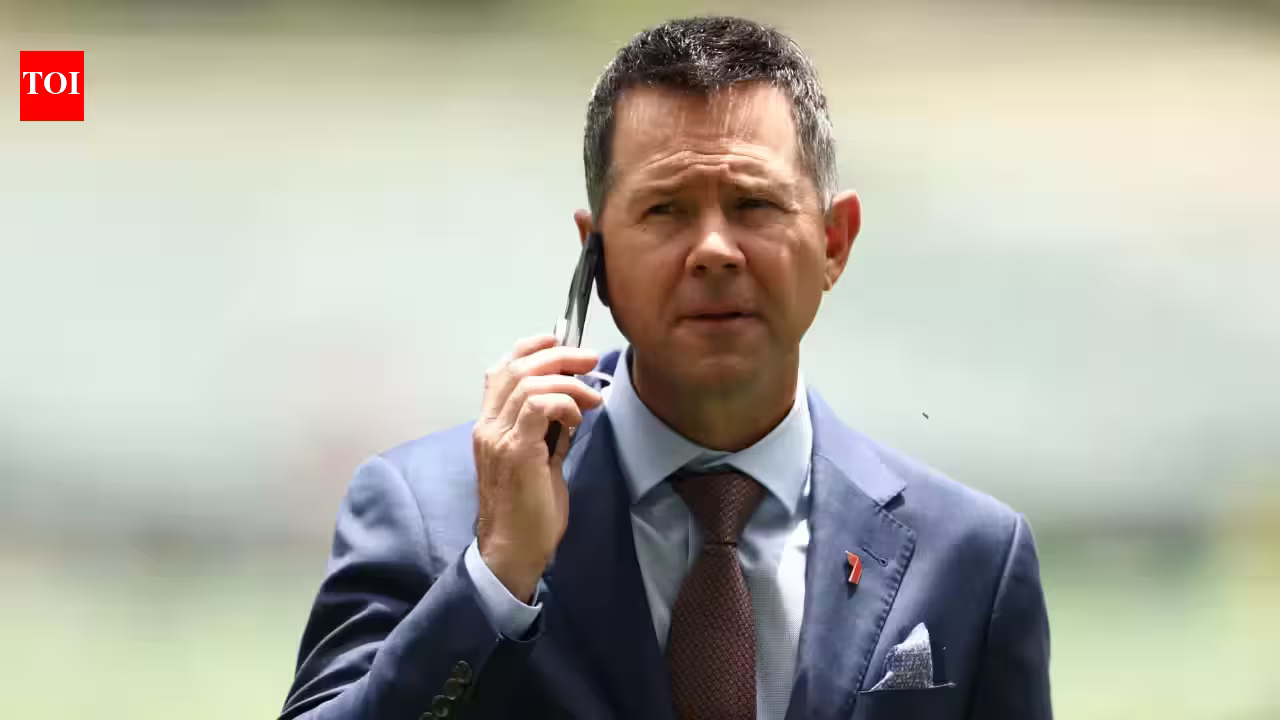
The landscape of international cricket is undergoing its most significant shift in decades, with the United States positioned at the epicenter of a strategic expansion by the International Cricket Council (ICC). As the sport looks to cement its place in the lucrative American market, former Australian captain and legendary batter Ricky Ponting has offered a suggestion that is as provocative as it is practical. In a recent discussion regarding the sport’s identity in the West, Ponting proposed a radical rebranding: stripping the word “cricket” from the marketing lexicon entirely and promoting the game exclusively as “T20.”
For those steeped in the history of the sport, the suggestion borders on the sacrilegious. Ponting, a stalwart of the five-day Test match format who defined an era of Australian dominance, is well aware of the weight his words carry. Yet, he argues that the traditional moniker carries significant baggage that may hinder growth among American audiences unaccustomed to the nuances of the game. By detaching the product from its lengthy heritage, Ponting believes the sport can be packaged as a modern, high-octane alternative to established American pastimes.
The Burden of Tradition and the T20 Solution
The core of Ponting’s argument lies in perception. To the uninitiated American sports fan, the term “cricket” often carries a reputation for being slow, confusing, and overly reliant on duration. In a market dominated by the instant gratification of basketball and the tactical intensity of American football, the idea of a sport spanning five days is a non-starter. Ponting contends that the term serves as a mental barrier, triggering outdated associations before a fan has even seen a ball delivered.
“If I was bringing it here wholly and solely to sell and promote the game, I wouldn’t call it cricket,” Ponting stated in a recent interview. “It’d just be rebranded as T20 only. Leave the cricket thing aside. As soon as young people hear cricket in parts of the world where they’re not brought up on the game, they think about it being a long, drawn-out, five-day game, and it’s not that.” His logic is grounded in the reality of modern sports consumption: the product must fit the consumer’s lifestyle, not the other way around. By focusing on T20 as a standalone brand, the ICC would theoretically be able to market the format as a dynamic, two-and-a-half-hour spectacle that fits neatly into a television window.
Bridging the Gap Between Cricket and Baseball
Marketing is rarely just about the name; it is about providing a frame of reference. Ponting suggests that the path to success in the United States involves a direct comparison with baseball. While purists might cringe at the reductionism, the similarities in structure—a batter facing a bowler, a pitch, and the objective of scoring runs—make baseball the most logical cultural touchstone for American viewers.
The strategy would be to leverage the most exciting element of T20 cricket: the frequency of explosive plays. “I would compare it to baseball as much as I could and give kids that chance to understand you’re hitting 15 sixes per game in a game of T20 cricket, but you are hitting less than one home run a game in the game of baseball,” Ponting explained. By positioning T20 as a “supercharged” version of baseball, the sport could capture the interest of younger demographics who prioritize high-scoring games and highlight-reel moments. This approach shifts the conversation away from technical jargon and toward the visceral thrill of power hitting.
Strategic Infrastructure and the Road to 2028
The urgency behind Ponting’s commentary is driven by the ICC’s aggressive developmental timeline. The United States is no longer a peripheral territory; it is a primary growth engine. The successful hosting of the 2024 T20 World Cup served as a proof of concept, demonstrating that there is a dormant but significant appetite for the game among both expat communities and new converts. Furthermore, the rise of Major League Cricket, where Ponting serves as the head coach for the Washington Freedom, provides the grassroots and professional structure necessary to sustain this interest.
Beyond the domestic league, the ultimate prize is the 2028 Los Angeles Olympics. The inclusion of cricket in the Olympic program is viewed by many as the single greatest opportunity for the sport to gain mainstream legitimacy in the US. Infrastructure development is currently the primary challenge, with the need for high-quality, purpose-built cricket grounds that can meet international standards while appealing to the local sporting aesthetic. If the sport is to thrive on the Olympic stage, the branding and the delivery of the product must be seamless, clear, and attractive to a domestic audience.
Analyzing the Risks of Rebranding
While Ponting’s idea is visionary, it is not without risks. Critics would argue that abandoning the name “cricket” risks alienating the existing global fanbase and potentially damaging the sport’s historical identity. Cricket is a game deeply rooted in heritage, and the transition from a traditional sport to an entertainment-first product could be seen as a form of cultural erasure. There is also the risk that the brand “T20” might be too narrow, potentially limiting the future expansion of other formats should they eventually find a footing in the US.
However, the reality remains that sports are businesses, and if cricket intends to compete with the NFL, NBA, and MLB, it must adopt the agility of its rivals. Ponting’s proposal is a pragmatic response to the realities of a competitive marketplace. Whether or not the ICC officially drops the name, the spirit of his advice—to prioritize accessibility and excitement over tradition—is likely the only path forward if cricket is to truly plant its flag in American soil. By stripping away the label and letting the format speak for itself, the sport may finally find the audience it has been chasing for over a century.
Disclaimer: This content is auto-generated for informational purposes only.
Source: Read Original News