








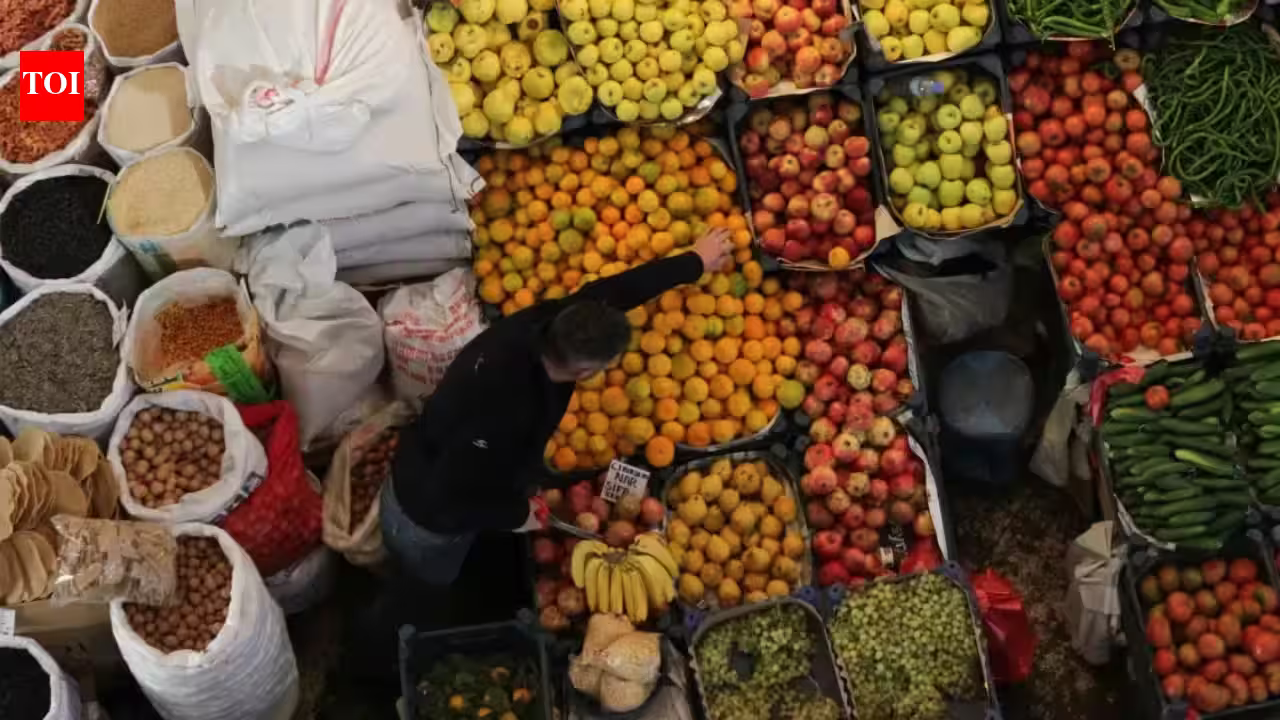
The Resurgence of Global Food Inflation and Supply Volatility
The global agricultural landscape is currently navigating a period of heightened uncertainty. Recent data from the Food and Agriculture Organization (FAO) indicates that global food prices have reached their highest point since late 2022. This upward trajectory, characterized by a 1.9 percent increase in the FAO Food Price Index, serves as a stark reminder of the fragile state of international food supply chains. With significant price hikes across cereals, vegetable oils, and sugar, the world is witnessing a return of the risk premium in commodities trading.
The primary catalysts for this trend are a convergence of climate-induced disruptions and entrenched geopolitical instability. While the current index remains below the record peaks observed in the immediate aftermath of the 2022 invasion of Ukraine, the momentum is undeniably negative. For policymakers and global business leaders, this represents a significant shift from the stabilization trends observed over the past year, signaling that food security challenges are likely to persist for the foreseeable future.
Geopolitical Friction and Trade Route Disruptions
At the heart of the current supply tightness lies the ongoing geopolitical landscape. The war between Russia and Ukraine continues to disrupt the Black Sea trade corridor, which serves as a critical artery for global grain distribution. Repeated hostilities in the region have curtailed the efficiency of agricultural exports from two of the world’s most vital breadbaskets. When trade routes are compromised, the immediate market reaction is an increase in insurance costs and freight rates, which are ultimately passed down to consumers and food processors.
Furthermore, regional instability in the Middle East, specifically regarding US-Iran tensions, has exerted pressure on the global fertilizer market. Fertilizer prices are intrinsically linked to energy costs and secure maritime transport. Any restriction on these supplies directly impacts agricultural yields in the following seasons, creating a domino effect that undermines food production. For businesses reliant on consistent agricultural inputs, this volatility necessitates a move toward more robust supply chain diversification and inventory hedging strategies.
Climate Volatility as a Persistent Market Driver
While geopolitical issues often dominate headlines, the underlying threat of climate change has become a structural feature of modern agricultural economics. The latest reports emphasize that extreme weather events—ranging from heatwaves in Europe affecting sugar beet harvests to the unpredictable impacts of El Nino in Asia—are no longer anomalies but regular operational risks.
In regions like Brazil, the center-south agricultural powerhouse, lower production volumes have contributed directly to the sharp 11.9 percent surge in global sugar prices. When extreme weather affects key production hubs, the global market quickly translates these localized shortages into price volatility. The convergence of drought and heat means that even with sophisticated agricultural technology, the predictability of crop cycles has diminished. For industries involved in the food and beverage sector, this necessitates a higher level of investment in predictive analytics and weather-indexed financial instruments to manage the inherent risk of crop failures.
The Indian Context: Challenges for a Domestic Agricultural Giant
For India, the world’s largest producer of several food commodities, the global trend presents both domestic challenges and strategic opportunities. India is not insulated from global food inflation, as the interconnected nature of international commodity prices dictates the landing cost of essential goods. Rising cereal and oil prices on the global stage often lead to domestic supply constraints, forcing the Indian government to balance its export-import policies to maintain domestic food security.
The Indian agricultural sector is currently under pressure to manage domestic inventory while responding to fluctuating global market demands. As prices for cereals and sugar escalate globally, there is significant upward pressure on local retail inflation. The Indian government has previously demonstrated a tendency to implement export restrictions to insulate the domestic market from international price shocks. While these measures protect local consumers, they can place Indian agribusinesses in a difficult position, as they lose access to lucrative global markets during periods of high demand.
Moving forward, India’s focus must shift toward enhancing the resilience of its agricultural value chains. This includes investing in irrigation infrastructure to mitigate the impacts of monsoon variability and promoting crop diversification to ensure that the domestic supply remains robust against the global downturn in cereal stock estimates.
Structural Shifts in Global Cereal Output and Stockpiling
The FAO’s recent adjustment to its global cereal production forecast for the 2026 cycle highlights a concerning trend. A downward revision in production estimates, coupled with tightening inventory levels, points toward a period of potential scarcity. The fact that stock-to-use ratios are hovering near record lows suggests that the global system has very little buffer against further shocks.
In Russia and Ukraine, there is evidence of stockpiling behavior as shipping disruptions force producers to retain inventories that would otherwise have entered the international market. This strategic holding of grain, while rational for the nations involved, restricts supply elsewhere and drives prices higher. For the global market, this implies that volatility is likely to remain high in the coming quarters. Corporations involved in food manufacturing must anticipate persistent price fluctuations and plan for longer lead times in procurement.
Strategic Outlook for Business Resilience
The current environment demands a fundamental re-evaluation of procurement and risk management strategies. Businesses can no longer rely on just-in-time delivery models when the supply chain is subject to the whims of climate events and regional conflict. The return of the risk premium suggests that the era of inexpensive, predictable agricultural inputs may be ending.
To adapt, organizations should prioritize supply chain transparency and regional sourcing to reduce dependence on globally contested trade routes. Furthermore, integrating advanced climate risk assessment into operational planning is essential. As global cereal production fluctuates and stock levels remain tight, those who can secure long-term, stable agreements with reliable domestic or regional producers will hold a competitive advantage.
Ultimately, the rise in food prices is a clear indicator that food security is becoming a central pillar of corporate and national economic strategy. As nations and businesses navigate this period of uncertainty, the ability to anticipate and mitigate the impacts of these macro-level shocks will define the success of stakeholders in the global agricultural sector. Whether through technological adoption, enhanced storage infrastructure, or diversified sourcing, the transition toward a more resilient and adaptable food supply architecture is the most important business imperative of the decade.
Disclaimer: This content is auto-generated for informational purposes only.
Source: Read Original News