









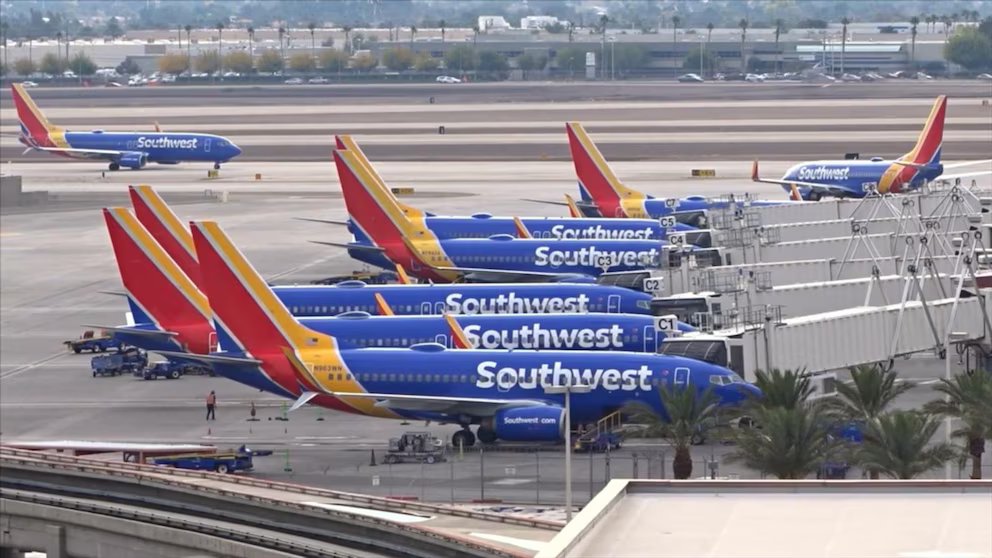
The landscape of American commercial aviation is undergoing a seismic shift this month as two major carriers, Southwest Airlines and JetBlue, pivot toward premium offerings that challenge their long-standing business models. These strategic updates arrive as the broader travel industry leans heavily into AI-driven personalization and digital infrastructure to manage the complex logistics of high-end consumer experiences.
Southwest Airlines Breaks Tradition with Luxury Lounges
For decades, Southwest Airlines has prided itself on its “no-frills,” egalitarian approach to air travel, characterized by open seating and a lack of traditional cabin classes. That identity is shifting significantly. The airline has officially announced the development of its first-ever network of branded airport lounges, a move aimed at capturing a larger share of the lucrative business travel market.
This expansion is not merely about physical real estate; it is a technological undertaking. Integrating these lounges into the Southwest digital ecosystem requires sophisticated backend updates. As Southwest moves into the premium space, the company is expected to lean into the same predictive AI models currently dominating the tech industry to optimize lounge capacity, streamline check-in processes via facial recognition, and personalize guest experiences. By utilizing data analytics, Southwest aims to ensure that their transition into premium service remains seamless, using algorithmic forecasting to manage staffing and inventory in real-time, much like the cloud-based platforms utilized by major tech firms to optimize server loads.
JetBlue Elevates the Passenger Experience
While Southwest focuses on ground-based perks, JetBlue is refining the in-flight environment. The carrier has officially introduced a new “First Class” tier, signaling a retreat from its strictly “all-economy” or “premium-economy” focus. This is a direct response to changing consumer demands for modular travel experiences that can be customized through digital interfaces.
This upgrade is intrinsically tied to the tech-forward nature of modern aviation. JetBlue’s new cabin architecture is being paired with upgraded in-flight entertainment systems that leverage machine learning to provide hyper-personalized content recommendations. Much like how Google’s recommendation engines tailor search results and video content, JetBlue’s updated digital suite aims to track passenger preferences to offer bespoke entertainment and dining options. The integration of high-speed, satellite-based Wi-Fi—a critical component of this cabin overhaul—reflects the airline industry’s obsession with turning the cabin into a “connected office,” mirroring the remote-work capabilities championed by modern SaaS (Software as a Service) companies.
Data Analytics and the Future of Travel
The simultaneous move by both airlines to modernize their offerings reflects a broader trend in the tech industry: the commodification of personalized data. As these airlines invest in physical lounges and premium seating, they are simultaneously investing in the data pipelines required to support them.
The aviation sector is increasingly mirroring the tech industry’s focus on the “customer journey.” Through advanced CRM (Customer Relationship Management) platforms, airlines are now leveraging AI to identify high-value passengers before they even arrive at the airport. By analyzing booking patterns and digital behavior—a process similar to how e-commerce giants track user intent—airlines can now offer targeted loyalty perks, lounge access upgrades, and dynamic pricing models.
As Southwest and JetBlue continue to iterate on these new services, the industry will likely see a surge in demand for edge computing and real-time data processing. The goal is to move away from rigid, legacy ticketing systems toward fluid, software-defined travel platforms. Whether through the physical comfort of a new lounge or the digital connectivity of a First Class seat, the message from the airline industry is clear: the future of flight is no longer about just moving from point A to point B—it is about the efficiency, data-driven personalization, and technological sophistication that occurs in between.
Disclaimer: This content is auto-generated for informational purposes only.
Source: Read Original News