








Nippon Cargo Airlines (NCA), the Japan-based air freight specialist, has officially entered into a strategic training partnership with CPaT Global, a move that signals a significant digital transformation in how the airline manages its flight crew education. As part of this agreement, NCA will integrate CPaT’s advanced learning ecosystem to streamline training for its fleet of 200 pilots, leveraging modern software-as-a-service (SaaS) tools to enhance operational efficiency.
The integration is set to modernize the airline’s internal training workflows by utilizing CPaT’s flagship Learning Management System (LMS). This platform serves as a centralized hub, allowing NCA to consolidate disparate training materials into a single, cohesive digital environment. By adopting this technology, NCA joins a growing movement of aviation leaders transitioning away from legacy, fragmented training programs toward unified, cloud-based architectures.
## Revolutionizing Pilot Training Through Centralization
The core of this partnership centers on the versatility of the CPaT LMS. Unlike traditional training models that often rely on physical manuals or disconnected software, this platform is engineered to support a “blended” learning approach. NCA will be able to house CPaT’s own General Subjects courseware alongside existing proprietary digital resources and third-party content.
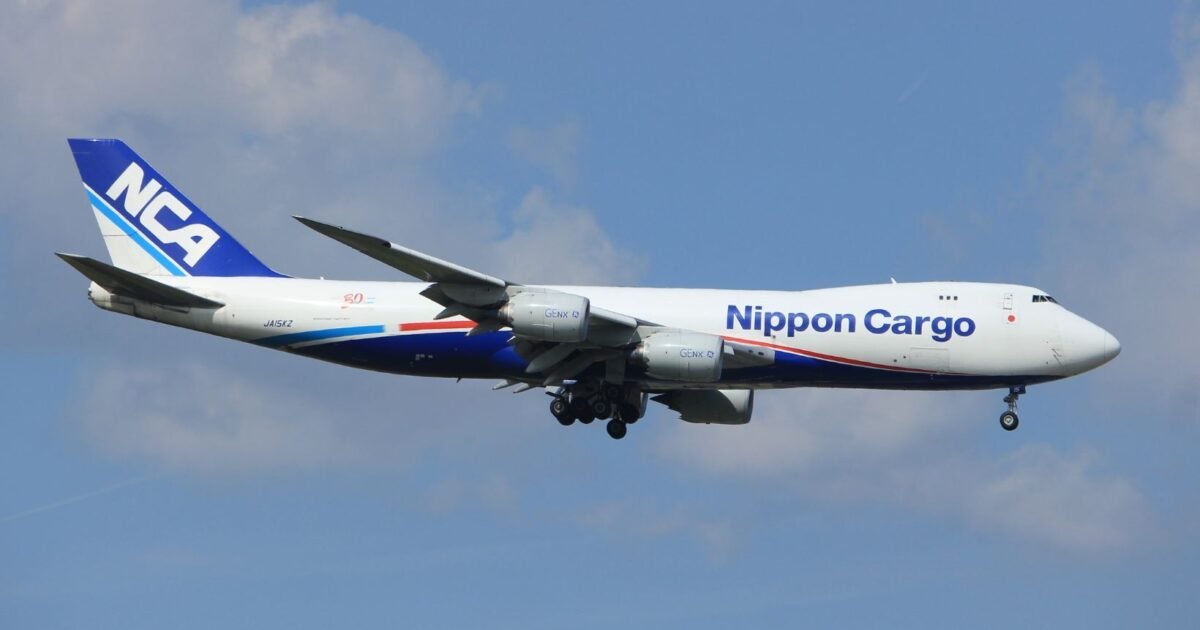
Crucially, the platform’s support for SCORM-compliant content—a technical standard for e-learning objects—allows NCA to ingest and track a wide variety of interactive modules. For a modern airline, this means the ability to load, assign, and monitor pilot progress in real-time through a single dashboard. This technical flexibility is essential for maintaining the rigorous safety standards required for the operation of NCA’s fleet, which consists of eight Boeing 747-8 freighter aircraft.
## The Role of AI and Flexible Content Creation
In an era where technology companies are increasingly prioritizing AI-driven analytics, CPaT’s inclusion of “CPaT Invent” is a notable highlight. This content-authoring tool allows airlines to build, edit, and update their training materials without requiring specialized coding knowledge. By empowering NCA’s training department to tailor their own curriculum, the partnership reflects the broader tech industry’s shift toward low-code and no-code solutions.
These digital tools also incorporate “Certificate Builder” functionality, automating the verification process that is critical for regulatory compliance. By leveraging these tech-forward solutions, NCA can pivot quickly to address new aviation regulations or internal safety updates. This shift highlights a major trend across the global transportation sector: the adoption of flexible, scalable platforms that can adapt to rapid changes in technology and geopolitical constraints.
## Strengthening the Asia-Pacific Tech Footprint
This collaboration is also a strategic win for CPaT, strengthening its footprint in the Japanese aviation market. By securing a contract with a subsidiary of ANA Holdings—one of the largest aviation groups in the world—CPaT is positioning itself as a vital service provider in the high-growth Asia-Pacific region.
Capt. Greg Darrow, Vice President of Sales at CPaT, noted that the selection of their suite by an established carrier like NCA validates the current industry demand for modernized learning platforms. “NCA’s selection of our training solutions demonstrates the flexibility airlines need from a modern learning platform,” Darrow stated.
As the aviation industry recovers and expands, the reliance on advanced, data-centric training platforms will likely increase. By digitizing their pilot training, Nippon Cargo Airlines is not only optimizing its internal processes but is also aligning itself with the global push for a more resilient, technology-enabled workforce. This partnership serves as a roadmap for how international cargo carriers can leverage digital infrastructure to meet the complex requirements of modern global logistics. As technology continues to evolve, the integration of such agile, modular platforms will remain a cornerstone of aviation safety and operational excellence for years to come.
Disclaimer: This content is auto-generated for informational purposes only.
Source: Read Original News