








Regulatory Compliance Drives Hardware Iteration
The landscape of consumer electronics is currently undergoing a significant shift, primarily driven by legislative changes aimed at enhancing sustainability and consumer rights. A notable example of this transformation is the recent revision of the Nintendo Switch 2 hardware, specifically tailored to meet European Union mandates regarding battery replacement and repairability. While these adjustments were initially framed as a regulatory necessity, they provide a fascinating look at how global corporations adapt their manufacturing processes to comply with localized mandates while maintaining a uniform user experience.
The European Union has been aggressive in its pursuit of the “Right to Repair,” compelling manufacturers to ensure that devices sold within the region feature batteries that are accessible and replaceable by the end user. For a hardware ecosystem like the Switch 2, which relies on a tightly sealed, high-performance architecture, this represents a major engineering challenge. To address these requirements, Nintendo has introduced a modified version of the console that simplifies the internal access process without sacrificing the performance or structural integrity that users expect from the device.
Engineering Changes and Internal Accessibility
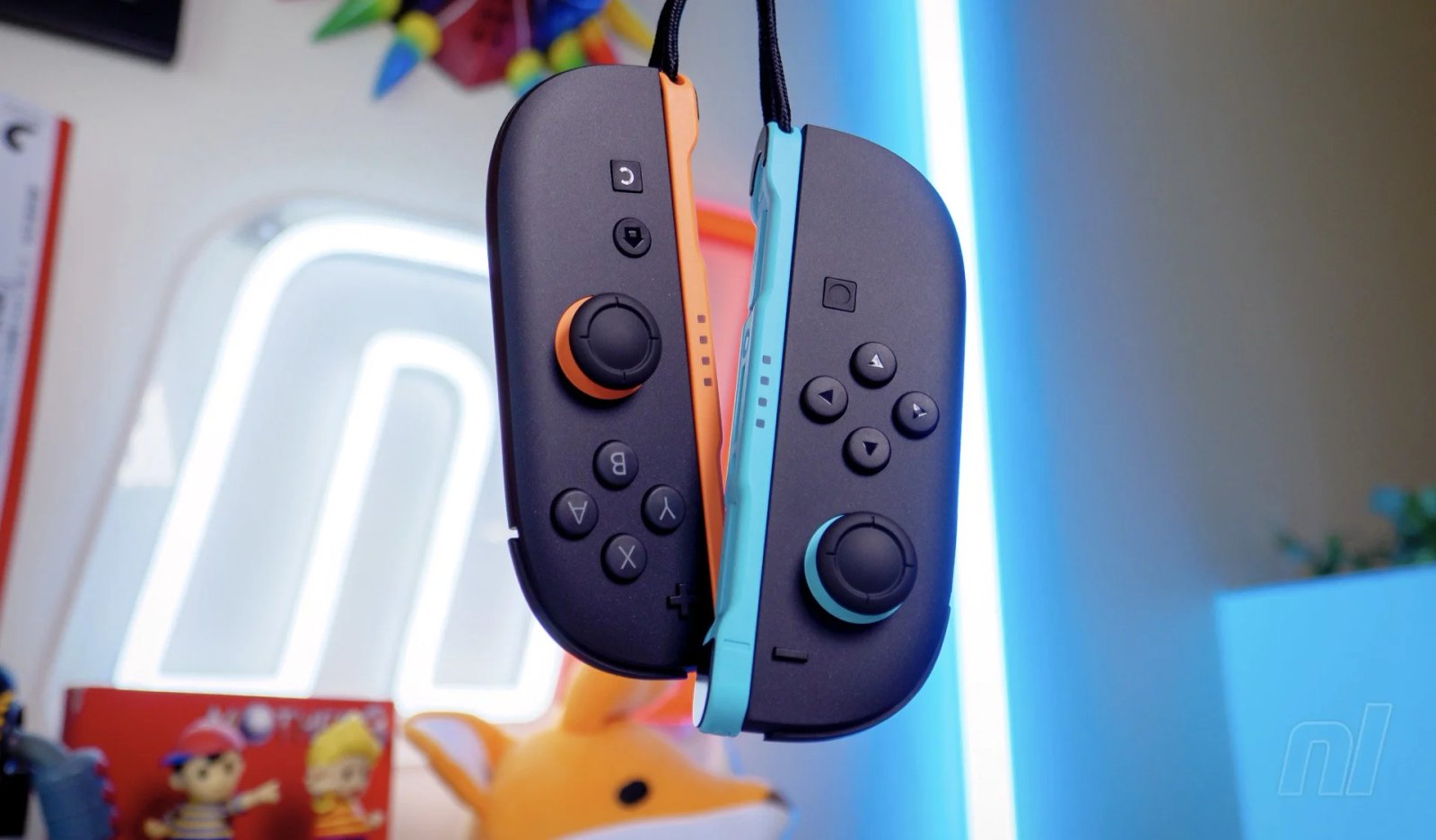
From a technical standpoint, the physical adjustments made to the Switch 2 are surgical in nature. Observers who have conducted teardowns of the new unit indicate that the most significant changes occur underneath the outer casing. The most prominent modification involves the Joy-Con 2 magnetic attachment points. In the revised model, these slots now feature visible screws at the top and bottom of the assembly. This indicates a move away from specialized, obscured fasteners toward a more standardized mechanical configuration that allows for easier disassembly.
Beyond the external housing, the internal battery compartment has been re-engineered for better accessibility. In the original version of the hardware, the battery was secured with a heavy-duty heat-shielding adhesive, effectively bonding it to the chassis. In the revised unit, this adhesive has been removed. To compensate for the loss of this chemical bond and to ensure the cell remains secure during the rigors of portable play, Nintendo has implemented a thicker, more durable insulating material. This ensures that while the battery is no longer permanently bonded to the unit, it maintains the necessary physical and electrical safety standards required for a handheld gaming device.
Impact on Weight and Hardware Durability
One of the more interesting observations following the release of this hardware revision is the marginal increase in total device weight. Data collected from the new units suggests that the console is approximately 14 grams heavier than the original launch model. While this may seem negligible in a vacuum, it highlights the trade-offs required to satisfy new regulatory standards. The inclusion of additional mounting hardware, fasteners, and the thicker insulating material required for the battery compartment contributes to this slight increase in mass.
Despite the added weight, the structural integrity of the console remains largely unchanged. The engineering team has managed to incorporate the necessary mechanisms for repairability without compromising the balance or ergonomics of the handheld. For the average user, this 14-gram difference is virtually imperceptible during standard gameplay sessions. It stands as a testament to efficient hardware design, where necessary compliance-driven modifications are integrated with minimal disruption to the end-user experience.
Future-Proofing the Gaming Ecosystem
The implications of these hardware revisions extend far beyond the Switch 2 itself. By making internal components like the battery more accessible, Nintendo is effectively extending the lifecycle of the hardware. Batteries are consumables that degrade over time; by making them easily replaceable, the company is ensuring that consoles can remain functional long after the initial warranty expires. This is a significant development for long-term ownership, as it allows users to perform basic maintenance rather than requiring a complete replacement of the system when the battery inevitably reaches the end of its cycle.
This shift also signals a broader trend in the industry. As environmental regulations become more stringent, manufacturers are increasingly expected to design products with their entire lifecycle in mind. While it remains to be seen if these European-spec revisions will be standardized across global markets, the ease of access provided by the new design is arguably a superior model for consumer electronics. Future-proofing the hardware in this manner reduces electronic waste and empowers the user, creating a more sustainable hardware ecosystem.
The Balance of Performance and Compliance
Nintendo’s approach to the Switch 2 revision serves as an informative case study for the hardware industry. Balancing the constraints of a portable, high-performance console with the rigid demands of European repairability laws is no small feat. The company has succeeded by focusing on modularity, ensuring that while the external look and feel remain consistent with the original product, the internal architecture has been modernized for longevity.
As the hardware begins to reach users, the technical community continues to monitor whether these modifications will have any long-term impact on device thermals or structural durability. Thus far, the consensus is that the impact is positive, offering a robust and repairable device that adheres to the spirit of modern consumer protection laws. Whether this becomes the standard for all future Nintendo hardware remains an open question, but the current iteration of the Switch 2 demonstrates that strict regulatory adherence does not have to come at the expense of quality or functionality. For the consumer, this represents a win-win scenario: the same high-tier gaming performance, paired with the capability to perform critical maintenance and extend the life of their system for years to come.
Disclaimer: This content is auto-generated for informational purposes only.
Source: Read Original News