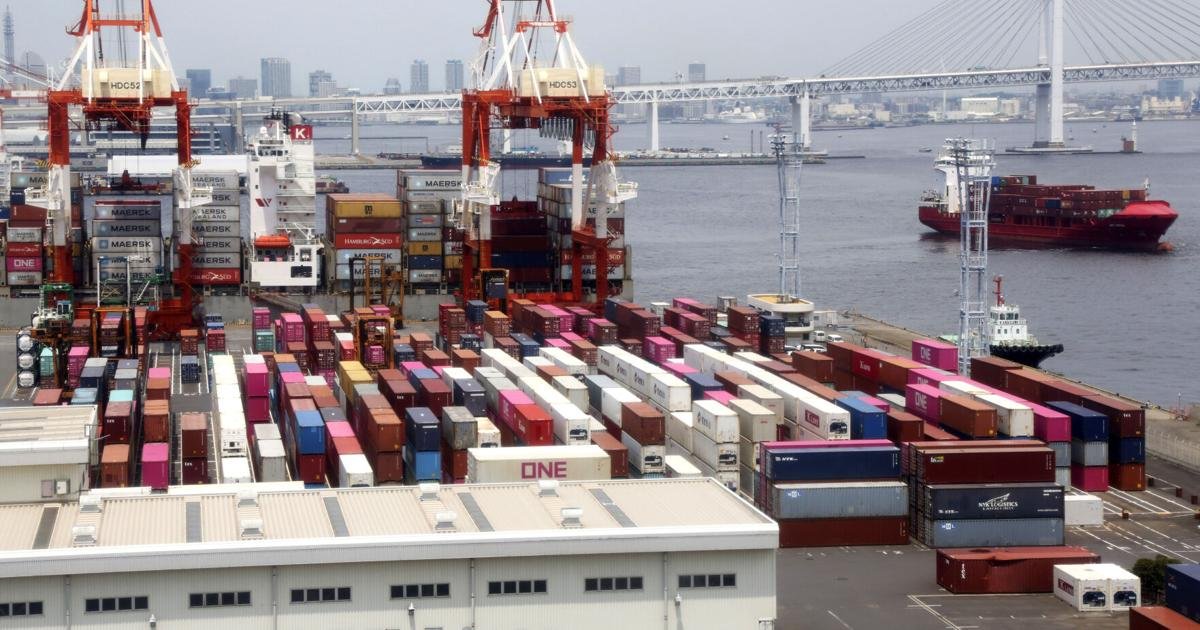









Asian markets retreated on Tuesday as a volatile mix of geopolitical instability and currency fluctuations weighed on investor sentiment. The regional downturn was largely fueled by escalating conflict in the Middle East, which sent energy prices surging and rattled confidence across global trade hubs.
Energy Shocks and Regional Market Declines
Tensions in the Middle East reached a new boiling point following a series of Houthi attacks on Saudi Arabian energy facilities. The strike triggered an immediate reaction in global oil markets, with Brent crude climbing 1.4% to $98.40 per barrel. U.S. benchmark crude saw an even sharper increase, jumping 2.6% to $93.88. This inflationary pressure is reverberating through equity markets, which are already struggling to maintain momentum amid lingering economic uncertainty.
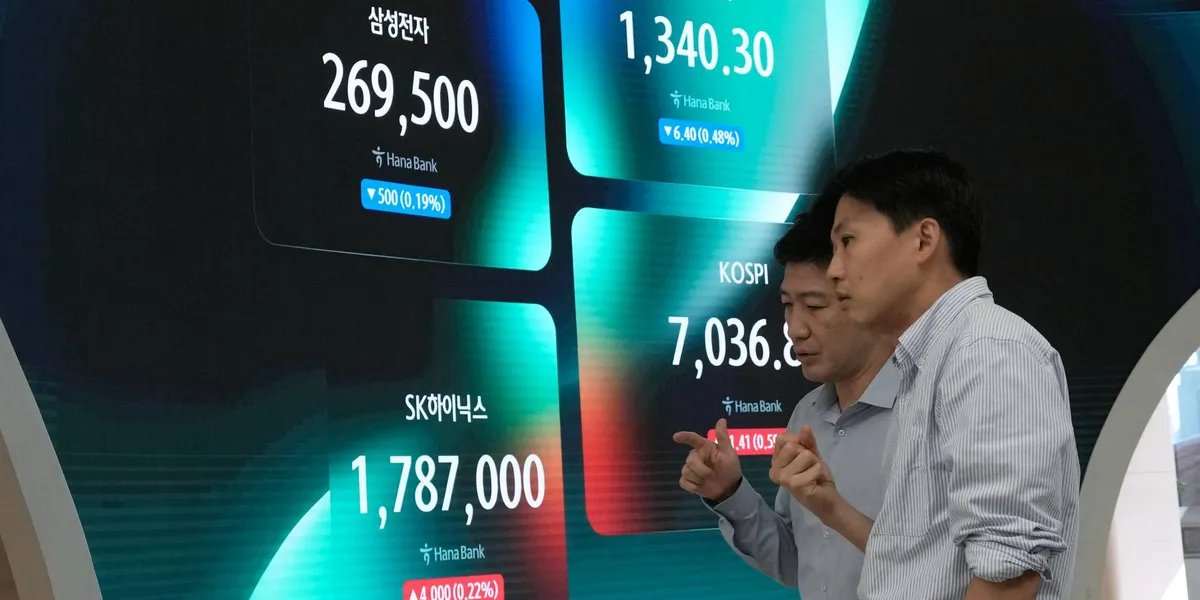
In Tokyo, the Nikkei 225 tumbled 1.7% to 65,269.33, hit hard by a double blow: rising oil costs and a strengthening yen. As the Japanese yen appreciated against the U.S. dollar—trading at 153.73—major exporters saw their competitive advantage wane. Tech-heavy giants like Panasonic Holdings Corp. felt the brunt of this shift, sliding 5.8%, while automotive leader Toyota Motor Corp. dropped 4.1%. Elsewhere, Australia’s S&P/ASX 200 shed 1% of its value, and South Korea’s Kospi slipped 0.6% despite a brief morning rally.
Economic Headwinds and Tech Sector Performance
While Japan’s Cabinet Office revised its economic growth upward to 1.4% for the April-June quarter, analysts remain skeptical about the sustainability of this expansion. Norihiro Yamaguchi of Oxford Economics warned that the temporary boost from policy measures is quickly evaporating. Furthermore, the persistent rise in supply-side inflation is expected to erode consumer purchasing power, placing additional pressure on Japan’s retail and tech sectors.
The tech industry, which relies heavily on stable logistics and manageable energy costs, is finding it difficult to navigate the current climate. Samsung Electronics, a bellwether for the semiconductor and consumer electronics space, surrendered early gains to close down 0.2%. Despite these struggles, pockets of resilience exist. China’s Shanghai Composite index managed a 0.2% gain, bolstered by a 25% year-on-year surge in exports. This growth, driven largely by high-tech manufacturing and the booming electric vehicle sector, highlights a growing divergence between the robust digital-industrial output in China and the broader regional cooling.
Wall Street Braces for Inflation Data
As Asian markets closed, the focus shifted toward Washington. Investors are positioning themselves for a critical stretch of U.S. economic data releases. Thursday’s Producer Price Index (PPI) report is expected to provide a clearer picture of how business-level costs are trending before they reach the retail level.
The primary focus remains on Friday’s Consumer Price Index (CPI), which will offer a granular look at price changes across the economy—ranging from essential groceries and clothing to services like travel and dining. For tech companies and global retailers, these figures are vital. With artificial intelligence and digital transformation efforts fueling major investments in infrastructure and software, high inflation remains a significant hurdle to profitability. If the CPI shows that the cost of services and hardware continues to climb, the tech sector may face a period of sustained volatility as companies struggle to pass these costs on to already cautious consumers. As the U.S. markets prepare to digest these reports, the consensus is clear: the global financial landscape is entering a period where geopolitical, inflationary, and currency pressures will dictate the trajectory of the remainder of the year.
Disclaimer: This content is auto-generated for informational purposes only.
Source: Read Original News