








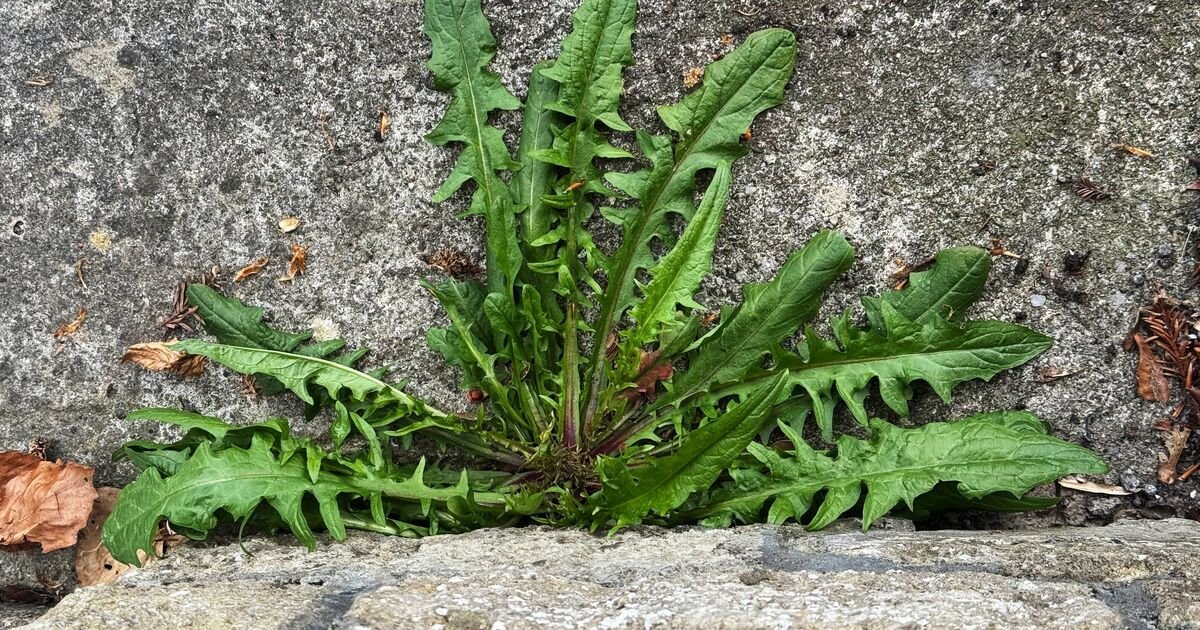
Gardening is supposed to be a relaxing hobby, but there is one thing that can turn a peaceful Saturday morning into a stressful chore: weeds. It feels like the moment you turn your back, they have staged a hostile takeover of your flower beds, pathways, and lawn. While there are plenty of sprays and store-bought remedies available, many of them come with heavy chemical footprints that might not be great for your soil or your local ecosystem. If you are looking for a natural, budget-friendly way to reclaim your green space, look no further than your recycling bin.
The Magic of Cardboard Recycling
Most of us have a collection of shipping boxes sitting in the garage or hallway after a round of online shopping. Instead of breaking them down for the recycling truck, you can put them to work in the garden. Horticulturalist Chris Bonnett suggests that plain cardboard is a secret weapon against persistent weeds. The concept is simple: weeds are plants, and like all plants, they need sunlight to survive. By placing a barrier over them, you effectively cut off their power supply. The cardboard acts as a sheet mulch, smothering existing weeds and preventing new seeds from ever finding the light of day.
Preparing Your Cardboard Shield
Before you start tossing boxes across your flower beds, there is a little bit of prep work to ensure you do not leave any harmful remnants behind. The most important step is removing all plastic packing tape, labels, and staples. These materials do not biodegrade, and leaving them in your soil creates unnecessary waste that will be a nuisance later on. Once your cardboard is clean and bare, you are ready to start. If you have a specific spot where weeds are particularly stubborn, simply cut the cardboard to the size of that area. The goal is to cover the ground completely so that not a single ray of light can reach the soil surface.
Strategic Placement for Best Results
If you are dealing with a larger space and only have smaller boxes, do not worry. You can piece them together like a puzzle. The trick is to overlap the edges by at least 15 centimeters. Weeds are surprisingly determined, and they will find the smallest gap to creep through if you are not careful. By creating this overlapping seal, you ensure that the weed-blocking layer stays airtight. Once you have laid the cardboard down, press it firmly against the ground. You want it to be as flush with the dirt as possible to prevent wind from blowing it away or pests from setting up home underneath it.
Adding the Finishing Touches
While a layer of brown cardboard might not look like a professional landscape design at first, it is easily fixed with a little creativity. To make the area look tidy and to keep your cardboard firmly in place, add a layer of mulch, wood chips, or compost over the top. This does three things: it hides the cardboard, holds it steady against the elements, and helps retain soil moisture. Plus, as the cardboard eventually begins to rot, it will slowly add organic matter to your garden. This process turns your pesky weeds into a meal for your healthy plants, creating a cycle that enriches the earth rather than depleting it.
A Healthier Garden Long-Term
Chemical solutions might offer a quick fix, but they can often disrupt the delicate balance of your garden’s ecosystem. The beauty of the cardboard method is that it works with nature rather than against it. Over the course of a few months, the cardboard will decompose entirely. By the time it has vanished, the weeds beneath will have died off, and the earth underneath will be soft, damp, and ready for you to plant your favorite flowers or vegetables. It is a slow, steady, and incredibly satisfying way to garden. You get to clear your clutter, save money, and build a more resilient garden all at once. Next time you see those pesky weeds popping up, skip the harsh chemicals and reach for a box instead.
Disclaimer: This content is auto-generated for informational purposes only.
Source: Read Original News