








India Powers Up Indigenisation Drive: Defence Council Clears Mega Rs 1.1 Trillion Procurement
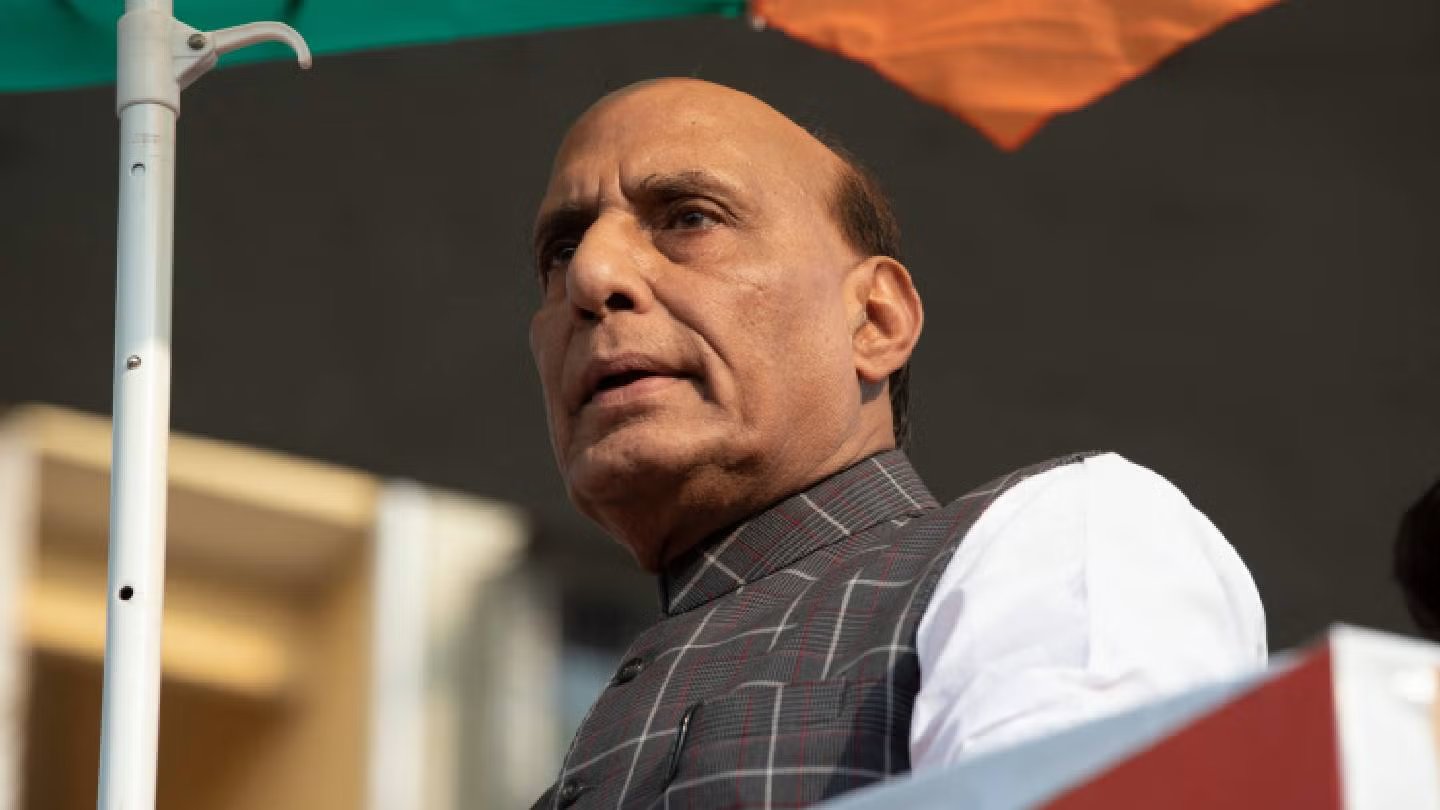
NEW DELHI – In a massive push toward achieving self-reliance in the defence sector, the Defence Acquisition Council (DAC) has granted in-principle approval for military acquisitions worth approximately Rs 1.1 trillion ($11.64 billion). Chaired by Defence Minister Rajnath Singh on September 7, 2026, the move signals a definitive shift away from foreign dependency, with nearly 98% of the equipment slated to be manufactured by domestic industrial partners.
This latest round of approvals covers a comprehensive range of modern hardware and cutting-edge systems, catering to the specific operational requirements of the Indian Navy, Army, and Air Force.
Strengthening the Naval and Aerial Shield
The Indian Navy is set to undergo a significant technological upgrade. Among the key approvals is the procurement of Arudhra Radars, which will replace outdated Air Route Surveillance systems at various naval air stations to bolster coastal and maritime domain awareness.
Perhaps more strategically significant is the decision to initiate the indigenous design and development of Marine Gas Turbines (MGT). By producing propulsion systems locally, the Navy aims to mitigate the risks associated with global supply chain disruptions and reduce the fiscal burden of importing critical engine components.
For the Air Force, the DAC has prioritised the enhancement of existing fighter and transport fleets. Additionally, the induction of Ground-Based Multi-Purpose Jammers (GBMPJ) will significantly elevate the nation’s electronic warfare capabilities, ensuring that Indian assets remain resilient against modern signals-intelligence threats. Furthermore, the introduction of the Defence Forces Secure Access Card (DEFSAC) system—a sophisticated smart card based on radio-frequency identification—will replace legacy physical identification methods with a more secure, interoperable protocol.
Bolstering Army’s Operational Might
The Indian Army’s modernization wishlist has received a massive boost, with approvals covering everything from mobility vehicles to high-tech bridge systems. To counter evolving combat threats, the Army will acquire specialized Chemical, Biological, Radiological, and Nuclear (CBRN) Recce Vehicles, which are vital for identifying and cordoning off contaminated battle zones.
Operational mobility in treacherous terrains will be improved through the induction of new High Mobility Vehicles (HMV) and Self-Propelled Mechanical Mine Layers (MML). These systems are designed to provide the Army with the speed and flexibility required to maneuver in diverse environments. Complementing these are the Advanced Light Helicopters (ALH), which will be inducted to perform multi-role missions across varying altitudes, alongside the deployment of Trawl Tanks and the versatile Sarvatra Bridge Systems, which provide essential support during offensive operations.
A Leap Toward ‘Atmanirbhar Bharat’
The staggering 98% indigenous sourcing commitment underscores the government’s unwavering focus on the Atmanirbhar Bharat (Self-Reliant India) initiative. By channeling Rs 1.1 trillion into the domestic manufacturing ecosystem, the Ministry of Defence is effectively creating a robust pipeline for local manufacturers, medium and small enterprises, and research institutions.
This decision follows a strong trend in defense procurement, building on the momentum of July 2026, when the council cleared Rs 520 billion in projects. With consecutive high-value approvals, the Indian defense landscape is rapidly transitioning from a buyer of foreign technology to a developer of its own sovereign capabilities. As these projects move into the development and testing phases, the Indian Armed Forces are well-positioned to maintain a technological edge in an increasingly complex regional security environment.
Disclaimer: This content is auto-generated for informational purposes only.
Source: Read Original News