









The San Francisco Bay Area’s biotechnology sector is showing definitive signs of a long-awaited rebound, marking a potential end to a grueling five-year industry slump. Recent data highlights a surge in investor confidence and clinical success, punctuated by $1.2 billion in aggregate proceeds from initial public offerings and a string of seven successful FDA drug approvals. This resurgence is not occurring in a vacuum; it is being propelled by the rapid integration of advanced computing, artificial intelligence, and sophisticated data infrastructure.
## The Convergence of Biotech and Big Tech
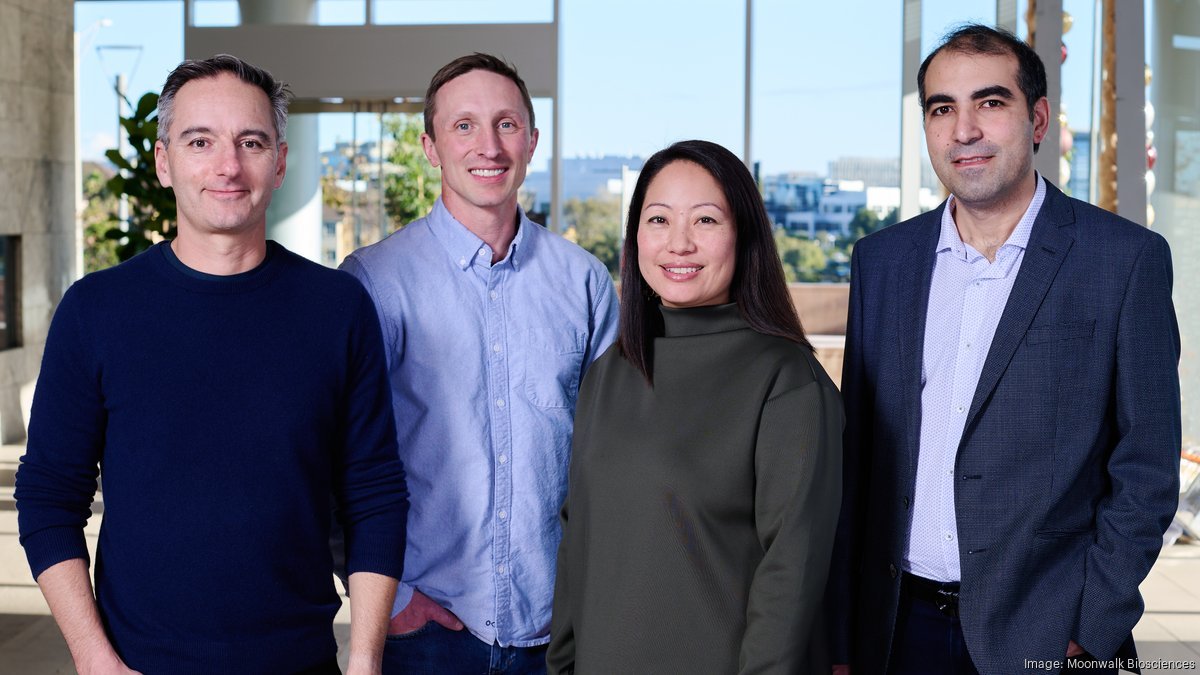
The current momentum in the life sciences sector is deeply intertwined with the evolution of the tech industry. As venture capital flows back into startups like South San Francisco-based Moonwalk Biosciences—which is leveraging epigenetic engineering to address complex diseases—the importance of scalable cloud computing and data analytics has never been higher.
For Bay Area biotech firms, Google Cloud’s Life Sciences tools and Alphabet’s AlphaFold project have become fundamental components of the research pipeline. AlphaFold, which utilizes AI to predict protein structures, has essentially slashed years of experimental labor for researchers working on drug discovery. By utilizing Google’s vast computational resources, these biotech companies are transforming from traditional laboratory-based operations into data-driven powerhouses, shortening the time it takes to move from a scientific hypothesis to a marketable drug candidate.
## IPOs and the Return of Risk Appetite
The $1.2 billion raised through recent IPOs signals that the capital markets are finally reopening to life sciences after a prolonged period of caution. Investors, who had largely retreated from high-risk biotech plays during the post-pandemic economic contraction, are now betting on companies that utilize digital platforms to mitigate R&D risks.
This shift in capital allocation is closely monitored through real-time market data and financial news aggregation tools. Modern investors are relying heavily on AI-enhanced market intelligence platforms, which utilize advanced natural language processing to track FDA filings, patent applications, and clinical trial results in real time. This technical democratization of information has allowed a broader base of investors to identify winners before they reach major regulatory milestones, fostering the healthy ecosystem of IPOs seen this quarter.
## AI and the Future of Drug Discovery
The seven recent FDA approvals are perhaps the most significant indicator that the Bay Area’s research engines are firing on all cylinders. However, experts suggest this is only the beginning. The industry is currently undergoing a “digital transformation” where AI is being used not just for discovery, but for optimizing clinical trial recruitment and analyzing patient outcomes at scale.
As Google continues to expand its footprint in the health tech sector—through initiatives like Fitbit’s integration with Google health data and ongoing investments in precision medicine—the synergy between tech giants and biotech startups is becoming a permanent feature of the Bay Area economy. The ability to process massive datasets, perform predictive modeling, and simulate cellular responses has turned the “trial and error” nature of traditional pharmaceutical development into a more surgical, precise process.
This period of recovery is characterized by a new paradigm: the marriage of silicon and biology. As the industry moves past the five-year downturn, the companies that will lead the next decade are those that treat data as a primary asset, much like a tech firm. With the successful infusion of $1.2 billion in new capital, the Bay Area remains the global epicenter for this technological evolution, proving that in the modern biotech age, the most powerful tool in the laboratory is often the software behind the screen.
Disclaimer: This content is auto-generated for informational purposes only.
Source: Read Original News