







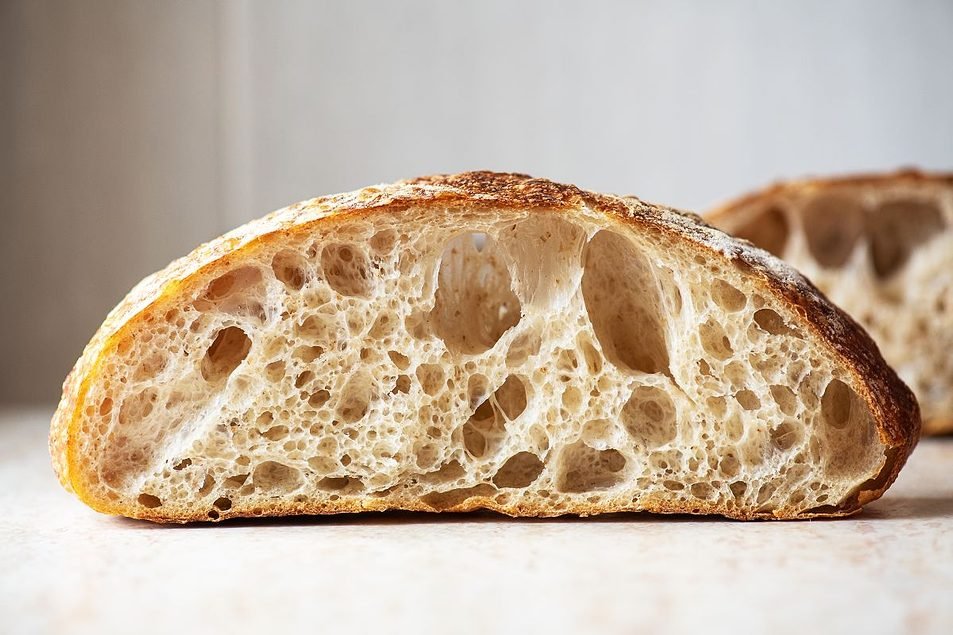
Sourdough is experiencing a massive resurgence in the modern bakery aisle, transitioning from a niche artisanal product to a staple of the mainstream consumer diet. According to recent research from the Grain Foods Foundation, the ancient fermentation process—once synonymous with rustic, independent bakeries—is now a primary driver of growth in the commercial bread sector.
This shift comes as shoppers increasingly prioritize transparency, gut health, and authentic preparation methods. As food manufacturers look to capitalize on these changing preferences, the rise of sourdough offers a case study in how traditional culinary practices can successfully integrate with modern industrial food production to meet high-volume market demand.
## The Role of Consumer Health Trends in Product Development
The move toward sourdough is largely fueled by the growing consumer interest in microbiome health and simplified ingredient labels. Unlike many mass-produced breads that rely on commercial yeast and additives to speed up production, authentic sourdough fermentation utilizes natural wild yeast and lactic acid bacteria.
This process often appeals to consumers seeking products that are easier to digest and have a lower glycemic index. For manufacturers, the challenge has been scaling these delicate, time-intensive fermentation cycles for commercial environments. Recent investments in technology and precision fermentation have allowed larger bakeries to standardize the sourdough experience without losing the characteristic tangy flavor and distinct texture that have captivated the modern palate.
## AI and Data-Driven Insights in the Baking Industry
While the core of the sourdough trend is rooted in tradition, the industry’s response to it is heavily influenced by modern data analytics. Food technology firms are now using artificial intelligence and machine learning to predict consumer behavior patterns, enabling brands to time their product launches and flavor profile expansions more effectively.
By utilizing Google’s suite of consumer insights tools and real-time search trend analytics, bakery executives are identifying regional hotspots where interest in “naturally leavened” or “fermented grains” is peaking. These digital intelligence platforms allow companies to refine their supply chain logistics, ensuring that shelf-stable or fresh sourdough products reach retail shelves exactly when and where demand is forecasted to be highest. Furthermore, AI-driven quality control systems are helping producers monitor the fermentation process in real-time, ensuring consistency across thousands of loaves—a feat that was previously difficult to achieve in an industrial setting.
## Scaling Tradition for the Future
The integration of these advanced technologies into the bread-making sector highlights a broader movement toward “tech-enabled artisanal” food production. As brands leverage cloud-based logistics and AI-driven quality assurance, the gap between the local boutique baker and the national grocery brand is shrinking.
Looking forward, industry analysts expect this trajectory to continue as consumers remain tethered to the health benefits of fermented foods. Companies that can successfully balance the “clean label” demand of a sourdough product with the logistical efficiency of modern, automated bakeries will likely emerge as the leaders in this space.
Ultimately, the surge in sourdough’s popularity proves that consumers are willing to embrace old-world techniques, provided they are delivered with the reliability and accessibility expected in the 21st-century marketplace. By leaning into research-backed trends and utilizing predictive technology, the grain foods industry is ensuring that this ancient staple remains firmly in the spotlight for years to come.
Disclaimer: This content is auto-generated for informational purposes only.
Source: Read Original News