





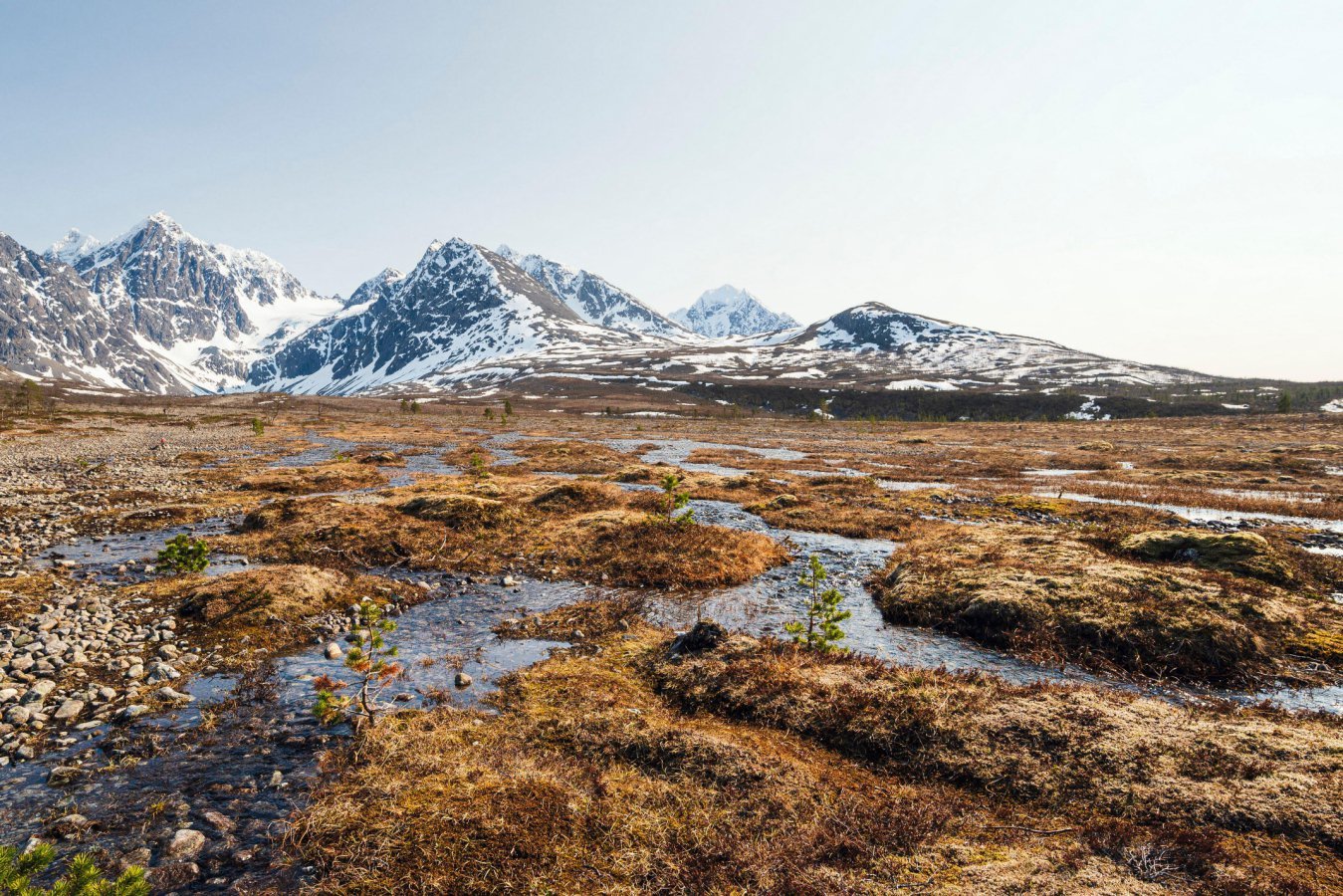
Climate models have long factored in carbon emissions from human activity, but a critical piece of the planetary puzzle is becoming increasingly volatile: the Earth’s natural carbon sinks. New research indicates that as global temperatures climb, ecosystems such as wetlands, peatlands, and thawing permafrost are transitioning from reliable carbon storage units into potent sources of greenhouse gas emissions. By 2100, these feedback loops are projected to amplify total global warming by 20 to 30 per cent beyond current baseline expectations.
The primary driver of this shift is the biological acceleration of decomposition. Wetlands and peatlands have historically acted as essential carbon vaults, sequestering organic matter in waterlogged, oxygen-deprived soil. However, as global surface temperatures rise, the microbial activity within these soils increases. When these ecosystems dry out or warm significantly, the dormant carbon trapped for millennia begins to break down, releasing concentrated pulses of methane and carbon dioxide into the atmosphere.
“We are witnessing a fundamental shift in the earth system,” says one expert familiar with the findings. “For decades, we relied on the assumption that nature would continue to act as a buffer against our industrial emissions. The data now suggests that these ecosystems are not just reaching a point of saturation; they are actively working against our climate mitigation goals.”
The 20 to 30 per cent increase in projected warming by the end of the century represents a significant hurdle for international policy frameworks. Most climate models used to track progress toward the 1.5°C or 2°C thresholds set by the Paris Agreement have underestimated the magnitude of these natural feedback loops. If these emissions are not integrated into future carbon budgets, the global community risks overestimating the efficacy of current decarbonization strategies.
The feedback mechanism is particularly concerning due to the potency of methane. While carbon dioxide remains in the atmosphere for centuries, methane is roughly 80 times more effective at trapping heat over a 20-year period. As wetlands thaw or shrink, the release of methane creates a rapid “warming spike” that accelerates the very conditions—further heating—that triggered the release in the first place. This creates a self-perpetuating cycle that is difficult to arrest once it gains momentum.
Beyond the impact on temperature, the degradation of these ecosystems threatens biodiversity and water regulation. Wetlands provide essential services, including flood mitigation and natural filtration. As they collapse or transform into carbon sources, the loss of these ecosystem services could lead to secondary crises in agriculture and human security, particularly in regions prone to extreme weather events.
The research underscores an urgent need to re-evaluate how “nature-based solutions” are accounted for in climate planning. While planting trees and restoring wetlands are frequently touted as essential strategies, the volatile nature of these environments under a warming climate means that conservation efforts must be more aggressive and precise. Protecting existing, stable carbon stores is now as critical as lowering industrial emissions.
As the scientific community refines these projections, the message to policymakers is clear: the climate challenge is no longer confined to the balance sheet of human-made emissions. The Earth’s natural systems are increasingly sensitive to the warming already baked into the atmosphere. To stabilize the climate, global mitigation strategies must now account for these “hidden” carbon sources, necessitating a more rapid and comprehensive phase-out of fossil fuels to ensure that the biosphere does not tip into a self-accelerating state of decline.
Disclaimer: This content is auto-generated for informational purposes only.
Source: Read Original News