






The University of South Wales (USW) has launched a strategic initiative to bolster its technological infrastructure, committing to a comprehensive AI and data literacy program for its staff and leadership. As industries worldwide grapple with the rapid evolution of artificial intelligence, USW is positioning itself at the forefront of this shift, aiming to integrate these advanced tools into both its internal operations and its broader pedagogical mission.
## Investing in Human Capital for an AI-Driven Future
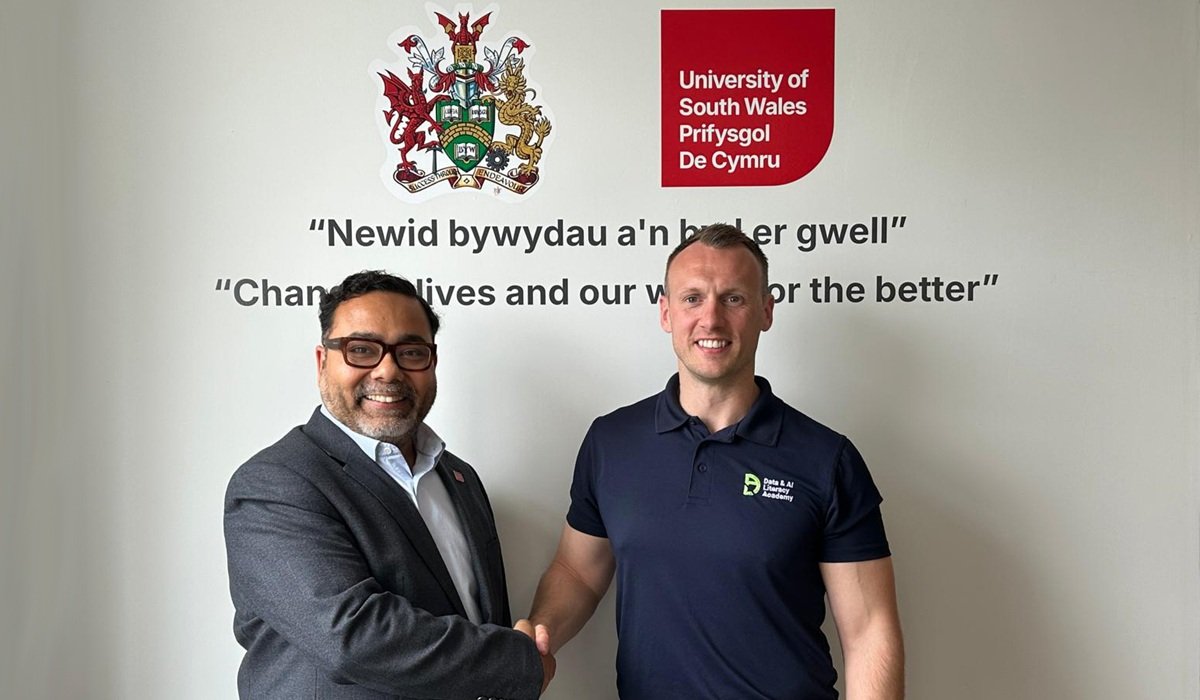
The cornerstone of this initiative is a new partnership with the Data & AI Literacy Academy. The program will begin by training approximately 150 senior managers, providing them with the expertise necessary to navigate and implement data-driven strategies. Following this initial rollout, the university plans to expand access to training modules and expert-led masterclasses to its entire workforce throughout the upcoming academic year.
Unlike many corporate training programs that focus strictly on software proficiency, the USW partnership emphasizes conceptual understanding. Greg Freeman, CEO and Founder of the Data & AI Literacy Academy, noted that the goal is to provide staff with a “genuine understanding” of how these systems function, rather than simply teaching them which buttons to press. This educational foundation is designed to ensure that the university can effectively harness AI to streamline administrative workflows, enhance student services, and optimize resource management.
## Catalyzing Regional Economic Growth
As the primary recruiter of Welsh-domiciled students in the region, USW plays a pivotal role in the local economic ecosystem. By fostering high-level AI competencies, the university is not only improving its internal efficiency but also preparing its graduates to enter a job market increasingly dominated by automation, machine learning, and data analytics.
Professor Osama Khan, Vice-Chancellor of USW, emphasized that the university’s responsibility extends beyond its classrooms. By embedding AI literacy into the fabric of the institution, USW intends to contribute to the long-term prosperity of South Wales. The move is viewed as a vital step in supporting social mobility, ensuring that local communities are equipped to capitalize on the economic opportunities generated by the global tech revolution. This approach aligns with broader industry trends where educational institutions are shifting from traditional learning models toward digital-first, data-integrated environments.
## The Intersection of Big Data and Governance
This initiative represents a significant escalation of USW’s existing digital strategy, which has previously prioritized robust data governance, infrastructure upgrades, and organizational transformation. As AI models become more integrated into daily workflows, the necessity for high-quality, reliable data becomes paramount.
The university’s proactive stance reflects a growing trend among leading academic institutions to utilize big data and AI for predictive analytics. By better understanding student outcomes and behaviors through ethical data usage, USW aims to personalize educational support, ultimately leading to higher success rates.
As Google and other major tech giants continue to integrate generative AI into productivity suites, cloud computing, and education-focused tools, the demand for a workforce that understands the nuances of algorithmic decision-making has never been higher. By investing in this training today, the University of South Wales is effectively future-proofing its operations against the volatility of a rapidly evolving digital landscape.
The program, which features a blend of on-demand learning and interactive masterclasses, is expected to serve as a model for how higher education institutions can adapt to the “AI age” without losing sight of their core mission: fostering human development and supporting the communities they serve. Through this comprehensive effort, USW is making a clear statement that the path to regional economic success is paved with data fluency and a sophisticated, human-centered approach to technological adoption.
Disclaimer: This content is auto-generated for informational purposes only.
Source: Read Original News