







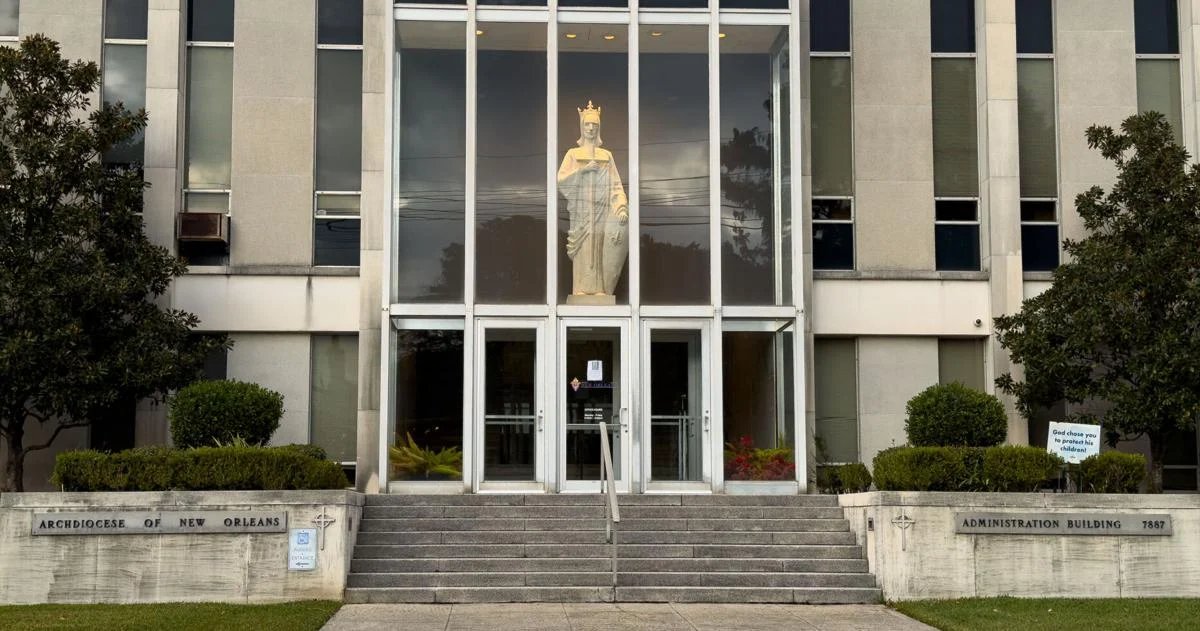
The independent trustee overseeing the Archdiocese of New Orleans’ $300 million bankruptcy settlement has issued a stinging rebuke of the Catholic Church’s recent conduct, accusing the institution of obstructing efforts to expose decades of systemic child sexual abuse. Don Massey, appointed by the U.S. Bankruptcy Court to ensure compliance with the court-ordered reforms, filed a 45-page document on Monday claiming the archdiocese has “flatly refused” to investigate 11 clergy members who have been credibly accused of abuse.
The findings highlight a deepening tension between court-appointed oversight and the church hierarchy. While the settlement was touted as a “gold standard” for transparency, Massey argues that the current reality is falling well short of those promises.
## Transparency Deficits and Data Obstacles
At the heart of the dispute is the handling of the archdiocese’s “credibly accused” list. Massey reports that the 11 clergy members in question were flagged by the church’s own internal review board as credible threats, yet their names have been withheld from public disclosure. These individuals have since been identified in multiple legal claims by survivors, yet they remain absent from official public records.
Furthermore, Massey expressed alarm over the archdiocese’s desire to maintain redactions in a new, upcoming public database—a tool intended to catalog historical abuse cases. By shielding the identities of certain abusers, the archdiocese risks perpetuating the very culture of silence that necessitated its bankruptcy filing. Massey characterized the decision to withhold these names as “morally repugnant and unconscionable,” arguing that it signals a failure to embrace the cultural transformation required by the court.
## The Role of Tech in Accountability
In the modern landscape of corporate and institutional governance, transparency often relies on digital accountability and data integrity. While tech giants like Google have increasingly integrated AI-driven tools to flag harmful content and ensure user safety across their ecosystems, the archdiocese’s approach to its digital record-keeping stands in sharp contrast.
The planned database, to be hosted at LSU, was meant to be a technological breakthrough for victim advocacy and historical clarity. However, Massey argues that if the archdiocese is allowed to selectively redact information before it reaches the digital platform, the database becomes little more than a sanitized version of history. The trustee remains focused on leveraging court authority to ensure that the digital record is comprehensive and that the “culture of change” is supported by objective, non-redacted data rather than internal gatekeeping.
## Impending Judicial Review
The Archdiocese of New Orleans has publicly disputed the characterization of its actions. In a statement, a spokesperson for the church asserted that all living clergy mentioned in legal claims are either currently under investigation or have already been evaluated by the Internal Review Board. Leadership, now under the direction of Archbishop James Checchio, insists that they are working diligently to uphold their commitments to safety and survivor support.
Despite these assurances, the court is growing impatient. U.S. Bankruptcy Judge Meredith Grabill has taken an active interest in the implementation of these non-monetary provisions. A status conference is scheduled for Thursday, where the judge is expected to address the mounting concerns regarding the archdiocese’s lack of transparency. For the nearly 740 survivors eligible for compensation under the trust, the upcoming hearing serves as a critical test of whether the church’s promises of reform are genuine or merely procedural hurdles meant to delay true accountability.
Disclaimer: This content is auto-generated for informational purposes only.
Source: Read Original News