







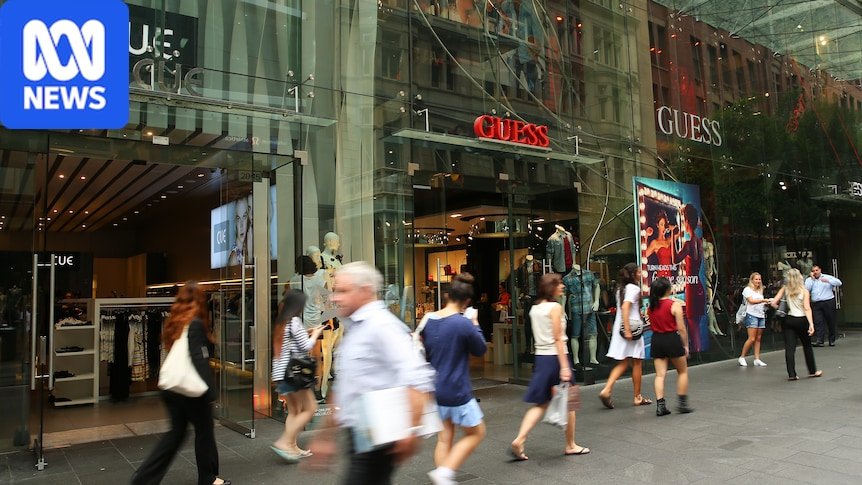
Iconic Australian fashion house Cue Clothing Co has entered receivership, marking a significant shift in the local retail landscape as the 56-year-old company navigates mounting financial pressures. Despite efforts to modernize the business—including potential integrations with cutting-edge retail technology and digital storefronts—the group has been unable to sustain its extensive overheads in an increasingly competitive environment.
FTI Consulting has been appointed as receivers and managers, while Duncan Clubb and Shaun McKinnon of BDO have stepped in as voluntary administrators. The company, which owns the Cue and Veronika Maine brands, confirmed that it will continue to trade normally for now as the leadership team evaluates restructuring options and initiates an urgent search for buyers.
The intersection of traditional retail and digital transformation
The collapse of such a legacy retailer highlights the growing divide between physical retail operations and the rapidly evolving digital ecosystem. For many years, Cue leveraged a combination of standalone boutiques and major department store concessions within David Jones and Myer. However, in the modern era, traditional brick-and-mortar strategies are increasingly pitted against digital-first competitors who utilize sophisticated AI-driven logistics and targeted online marketing.
In recent years, the retail industry has moved toward hyper-personalized shopping experiences fueled by machine learning. Major tech giants like Google have revolutionized how fashion brands reach consumers, utilizing tools such as Google Shopping and AI-powered product discovery to bridge the gap between browsing and buying. While Cue had a digital presence, the sheer cost of maintaining its 69-store footprint across Australia, combined with the shifting behavior of consumers who now rely on advanced e-commerce analytics to find the best deals, proved to be an insurmountable hurdle for the company’s current financial model.
Economic headwinds and the need for tech-integrated scaling
According to FTI Consulting, while the group saw tangible improvements in sales figures and operational efficiencies, these gains were not enough to counterbalance the heavy overhead costs inherent in a large-scale physical retail operation. This serves as a cautionary tale for the broader retail sector: even with a strong brand identity, the inability to effectively leverage technology to optimize supply chains and reduce inventory waste can lead to a precarious financial position.
As the retail sector leans further into AI, companies are increasingly utilizing generative AI to manage inventory, forecast trends, and automate customer service. These technological investments are no longer just “nice-to-haves” but are critical infrastructure for staying afloat. The receivers will now look to see if a buyer can be found who can modernize Cue’s operations, perhaps by shifting the focus toward a tech-heavy, lean retail model that prioritizes data-driven decision-making over the high-cost, high-touch physical model that dominated the 20th century.
Future uncertainty for employees and stakeholders
The immediate focus for the administrators remains the stability of the company’s operations. With 69 locations still active, the retail group represents a significant employer in the Australian fashion sector. While the official statement from the receivers emphasized that a sale process is starting “immediately,” there is significant uncertainty regarding potential job losses and store closures.
The future of the business likely depends on finding a buyer capable of balancing the heritage of the brand with the harsh realities of the current tech-driven economy. For the fashion industry at large, the downfall of Cue underscores the necessity of embracing digital transformation. Whether it is adopting more advanced cloud computing solutions for resource planning or utilizing AI to drive customer loyalty, retailers must ensure their infrastructure is as agile as their fashion designs. As the search for a new owner begins, the local market will be watching closely to see if this storied institution can be salvaged through a strategic, tech-forward reorganization.
Disclaimer: This content is auto-generated for informational purposes only.
Source: Read Original News