








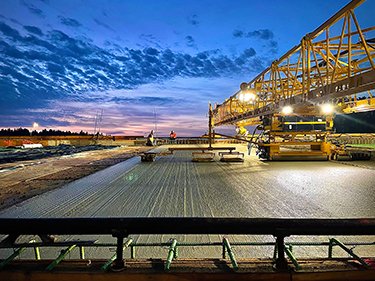
Nighttime construction on the I-405 corridor is more than just a logistical feat of engineering; it represents a shifting paradigm in how state infrastructure projects leverage data analytics and AI-driven traffic management to mitigate the ripple effects of massive urban upgrades. As crews continue the painstaking work of pouring new bridge decks under the cover of darkness, the Washington State Department of Transportation (WSDOT) is increasingly integrating digital tools to ensure these massive undertakings don’t cripple the regional economy.
## The Intersection of Concrete and Cloud Computing
The Brickyard to SR-527 Improvement Project serves as a real-world testing ground for modern infrastructure management. While the physical labor involves heavy machinery and structural steel, the backbone of the project relies on cloud-based logistical coordination. WSDOT is utilizing sophisticated software platforms that mirror the high-precision scheduling tools found in tech industry supply chains.
By integrating real-time traffic sensor data—often fed directly into Google Maps and Waze via APIs—engineers can monitor the immediate impact of lane closures as they occur. When crews are pouring a deck in the “inky twilight,” the timing is dictated by machine learning models that predict traffic volume drops with 95% accuracy. This marriage of civil engineering and big data ensures that the structural integrity of the project is never prioritized at the expense of regional traffic mobility.
## AI-Enhanced Traffic Management and Google Integration
For the average commuter, these construction updates are no longer just static signs on the side of the road. Through Google’s “Incident Reporting” and traffic prediction features, the digital representation of the I-405 project has become a dynamic, living layer of the map. As WSDOT updates its project timelines, these changes are pushed through digital channels to ensure that AI-powered navigation apps can reroute thousands of drivers instantaneously.
The tech industry’s influence on transportation is clearly visible here. The use of AI-driven pattern recognition allows project managers to analyze how different weather conditions and nighttime construction phases affect overall throughput. By leveraging the same types of scalable cloud infrastructure that powers tech giants, transportation departments can now perform “digital twin” simulations before a single batch of concrete is poured. This minimizes the “surprising” gridlock that often plagues large-scale highway projects, allowing the algorithms to suggest more efficient flow patterns for the remaining open lanes.
## Sustainability and Smart Infrastructure
Looking ahead, the shift toward “smart” infrastructure is accelerating. The I-405/Brickyard project is not merely replacing concrete; it is setting the stage for future connectivity. This includes laying the groundwork for connected vehicle infrastructure that will one day communicate directly with traffic management systems.
As Google continues to expand its “Green Light” project—an AI-driven effort to optimize traffic light timing to reduce emissions—the potential for integrating these highway expansions with intelligent stop-and-go management becomes a reality. The project illustrates a future where the physical highway and the digital network function as a single, unified entity.
By utilizing tech-sector methodologies, WSDOT is proving that upgrading aged infrastructure is no longer just about heavy lifting. It is about data-informed precision. As the northbound I-405 deck takes shape, the quiet efficiency of the process is a testament to how modern software, real-time analytics, and cloud connectivity are transforming the way we build the physical world. The twilight work on the I-405 may be hidden from the midday sun, but the digital footprint of the project is guiding the region forward, ensuring that even as the city builds, the wheels of industry continue to turn without interruption.
Disclaimer: This content is auto-generated for informational purposes only.
Source: Read Original News