







Analyzing India’s Export Momentum and Trade Deficit Dynamics
The latest trade data for August 2026 presents a compelling narrative regarding the resilience and diversification of the Indian economy. With the overall trade deficit narrowing to $9.41 billion, India has demonstrated a capacity to accelerate export growth faster than import expenditures, despite global geopolitical volatility. This shift is reflective of a maturing industrial base and a robust services sector that continues to serve as a cornerstone of national foreign exchange earnings.
The significant rise in overall exports—reaching $82.68 billion, a 25.41% year-on-year increase—signals that India is effectively navigating the complexities of international supply chains. While imports also grew to $92.09 billion, the pace of export growth has effectively cushioned the impact, leading to a more manageable trade gap. For businesses, investors, and policymakers, this data offers a clear indicator of structural progress in domestic manufacturing and service delivery.
The Dual Engines: Merchandise and Services Performance
A closer inspection of the data reveals that India’s export growth is not siloed within a single industry. Merchandise exports climbed by 26.12% to $43.81 billion, while services exports surged by 24.61% to $38.87 billion. The strong performance in services confirms India’s position as a global leader in business process management, IT, and specialized professional services.
Crucially, the merchandise export growth is accompanied by volume increases rather than mere price adjustments. The fact that 68 of the 168 tracked commodities experienced both volume and value growth suggests that India is successfully scaling its manufacturing output. This is a critical distinction, as it indicates a genuine expansion in production capacity and global market penetration. Furthermore, the sharp 57.7% decline in gold imports—down to $2.3 billion from $5.4 billion—has been a vital tailwind in narrowing the trade deficit. This reduction reflects a shifting trend in domestic demand and suggests that the economy is allocating resources more efficiently toward productive capital goods and essential commodities.
Sectoral Drivers and Global Market Integration
The diversification of India’s export basket has been instrumental in sustaining this growth trajectory. Key sectors, including engineering goods, petroleum products, chemicals, and textiles, have shown exceptional performance. The double-digit growth in engineering and electronic goods underscores the success of production-linked initiatives and the gradual integration of India into global value chains.
From a geographical perspective, India is successfully broadening its footprint. The expansion of exports to diverse markets such as China, Singapore, South Africa, and Malaysia demonstrates a strategic push to reduce reliance on traditional western markets. A 39% increase in exports to China and a staggering 97% growth in shipments to Singapore highlight a focused effort to capture demand in Asian corridors. Furthermore, the performance within BRICS nations—where exports grew to $34.5 billion—serves as evidence that India is leveraging emerging economy partnerships to drive trade volume. This shift is not incidental; it is the result of sustained diplomatic and commercial efforts to establish bilateral trade agreements, including the recent entry into force of the trade deal with Britain and ongoing progress toward a comprehensive pact with the European Union.
Challenges and the Global Geopolitical Landscape
While the current figures are encouraging, they must be viewed against the backdrop of significant external risks. Energy imports, primarily crude oil and coal, remain the primary factor exerting pressure on the import bill. As India continues its industrial expansion, the demand for energy remains inelastic and highly susceptible to global price shocks.
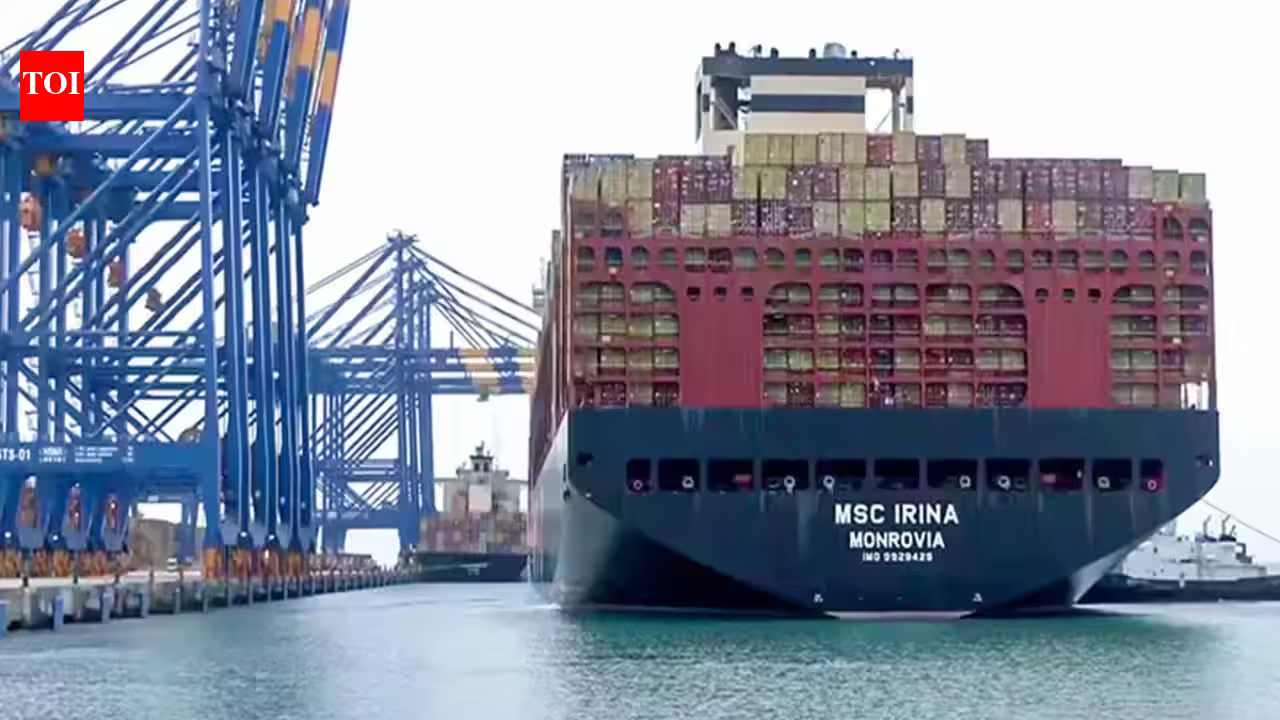
The mention of geopolitical disturbances, such as attacks on maritime infrastructure and regional conflicts in the Middle East, serves as a sobering reminder of the fragility of international trade. For Indian exporters, these risks translate into higher freight costs, insurance premiums, and potential disruptions in delivery timelines. The commerce department’s emphasis on these developments highlights the necessity for logistical agility. Businesses must prioritize supply chain diversification and risk mitigation strategies to ensure that the current export momentum remains insulated from sudden geopolitical outbursts.
Looking Ahead: Sustaining the Growth Trajectory
The period from April to August 2026, showing an 17.85% increase in merchandise exports, sets a strong foundation for the remainder of the fiscal year. The government’s focus on diversifying markets and expanding the manufacturing base is yielding measurable results. However, sustaining this performance requires a continued commitment to removing structural bottlenecks.
For the private sector, the current environment offers both clarity and urgency. With demand rising across the US, European Union, and emerging markets, companies have a clear opportunity to scale production and capitalize on the growing preference for “Made in India” products. The integration of technology in manufacturing, coupled with the ongoing implementation of new trade agreements, should further lower barriers to entry.
Ultimately, the narrowing of the trade deficit is a reflection of a balanced economic approach. By favoring volume-led growth in manufacturing and maintaining the high-growth trajectory of services, India is positioning itself as an indispensable link in the global economy. As trade policy continues to evolve, the ability of Indian firms to adapt to international standards and navigate geopolitical uncertainties will determine whether this growth phase can be sustained over the long term. The current data is a testament to the fact that Indian businesses are not merely reacting to market conditions but are actively shaping their role in the international marketplace.
Disclaimer: This content is auto-generated for informational purposes only.
Source: Read Original News