









The Anatomy of Recent Inflationary Pressures in India
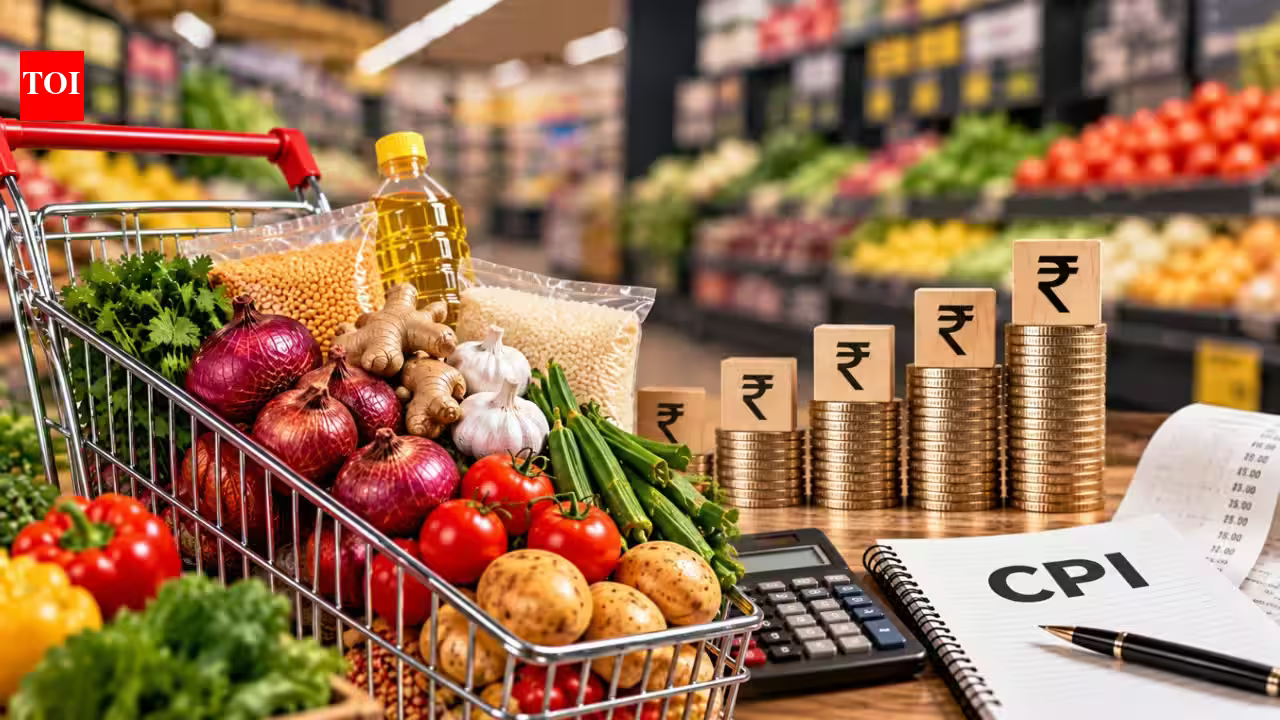
The Indian economy is currently navigating a complex macroeconomic landscape defined by fluctuating price levels. Recent data from the National Statistics Office (NSO) indicates that retail inflation, measured by the Consumer Price Index (CPI), reached an eight-month high of 4.8 percent in August. This development, while remaining within the Reserve Bank of India’s (RBI) comfort band of 2 to 6 percent, highlights a deviation from the central bank’s medium-term target of 4 percent for the third consecutive month. When analyzed alongside a Wholesale Price Index (WPI) reading of 9.9 percent, it becomes clear that cost-push pressures are intensifying across both consumer and industrial segments.
The primary driver of this acceleration is food inflation, which climbed to 6 percent in August from 5.5 percent in the preceding month. This upward movement is particularly concerning for policymakers because food prices exert a disproportionate influence on the household budgets of the broader Indian population. Furthermore, the divergence between rural and urban inflation rates—with rural inflation at 5.2 percent compared to 4.3 percent in urban centers—suggests that supply-side constraints in agriculture and distribution logistics are creating geographically unequal burdens. Understanding these dynamics is essential for businesses operating in India, as they must calibrate their pricing strategies and inventory management to account for persistent volatility in raw material and essential commodity costs.
Global Geopolitics and the Energy Price Transmission Mechanism
A significant component of the current inflationary environment stems from external factors, most notably the escalating tensions in West Asia. Global energy markets are highly sensitive to disruptions in maritime transit routes, particularly those near the Strait of Hormuz. As crude oil prices remain elevated, the impact is cascading into the Indian economy through two distinct channels: transport costs and the pricing of manufactured goods.
The data confirms that transport services inflation rose to 4.6 percent in August, reflecting the immediate translation of higher fuel prices into logistics expenditures. Similarly, the services sector, specifically restaurants, saw prices accelerate to 8.4 percent, a clear indication that businesses are passing on the cumulative burden of elevated energy, transportation, and ingredient costs to the end consumer. For the Indian corporate sector, this creates a challenging environment. Manufacturing firms, facing a 9.9 percent factory gate inflation level, are experiencing margin compression. While some firms have been able to absorb these costs temporarily, the persistence of these price levels suggests that more companies will be forced to implement retail price hikes, which may eventually dampen discretionary consumption.
Monetary Policy Dilemmas and Future Projections
The upcoming meeting of the RBI’s Monetary Policy Committee (MPC) is now the focal point of the financial markets. The central bank faces a precarious balancing act: maintaining price stability while fostering an environment conducive to economic growth. Because inflation has remained persistently above the 4 percent target, the narrative surrounding interest rates has shifted from a stance of benign observation to one of heightened vigilance.
Economists are increasingly divided on the timing of a potential rate hike. While some analysts maintain that the current inflation trajectory may necessitate a policy intervention before the end of the year, others emphasize the need for caution, citing the risks of over-tightening during a period where global demand remains somewhat fragile. If crude oil prices continue to trade at elevated levels, there is an impending risk of an upward revision in the Retail Selling Prices (RSP) of petrol and diesel. Such a move would act as a catalyst for generalized price pressures, likely forcing the hand of the MPC to accelerate the timeline for monetary policy tightening. For business leaders, the takeaway is clear: the era of cheap credit and stable input costs appears to be at a temporary pause, and financial forecasting should incorporate a higher interest rate environment as a distinct possibility.
Sectoral Vulnerabilities and Domestic Supply Risks
Beyond the global energy shocks, domestic risks are playing a pivotal role in the current inflationary surge. Rainfall patterns, which are critical to the Indian agricultural sector, have emerged as a significant source of uncertainty. Below-normal rainfall in key producing regions has the potential to constrain the supply of essential commodities, thereby maintaining upward pressure on food prices. Given the weightage of food items in the CPI basket, agricultural performance serves as a leading indicator for retail inflation.
Industries such as food processing, retail, and hospitality are currently the most vulnerable. These sectors are at the intersection of volatile food costs and sensitive consumer demand. Companies in these spaces are currently prioritizing supply chain resilience over pure cost efficiency. By diversifying their procurement sources and investing in better cold-storage and logistics infrastructure, many firms are attempting to buffer themselves against seasonal supply shocks. However, the macro-level reality remains: as long as the supply side remains constrained by weather or logistical inefficiencies, the threat of recurring inflation spikes will persist, necessitating a more robust and adaptive approach to business operations.
Strategic Imperatives for Businesses in an Inflationary Cycle
Navigating a period of rising prices requires a transition from growth-at-all-costs strategies to a focus on operational efficiency and agile pricing models. Businesses that can leverage data analytics to predict price fluctuations in their supply chains are finding a competitive advantage. For instance, incorporating dynamic pricing models that respond to real-time input costs allows firms to protect margins without alienating their customer base through abrupt, large-scale price increases.
Furthermore, the focus on rural-urban inflation spreads provides a strategic roadmap for market segmentation. Since rural inflation is currently outpacing urban inflation, companies targeting these demographics must be particularly mindful of value-based offerings. Reducing package sizes or focusing on high-utility, essential products can help maintain brand loyalty among price-sensitive consumers. Finally, treasury management has become critical. With the looming possibility of a rate hike, businesses with high leverage should look to deleverage or lock in fixed-rate financing where possible.
As the Indian economy continues to integrate more deeply into global trade, it cannot remain decoupled from the volatility of international markets. The current surge in retail and wholesale inflation serves as a reminder that external geopolitical developments and domestic climatic conditions are deeply intertwined. For stakeholders, the mandate is to maintain a long-term view of growth while remaining tactically prepared for the short-term fluctuations in interest rates and commodity costs. The RBI’s forthcoming policy decisions will be the ultimate determinant of the economic climate for the remainder of the fiscal year, and businesses that position themselves with financial agility and operational discipline will be best equipped to manage the challenges of this inflationary cycle.
Disclaimer: This content is auto-generated for informational purposes only.
Source: Read Original News