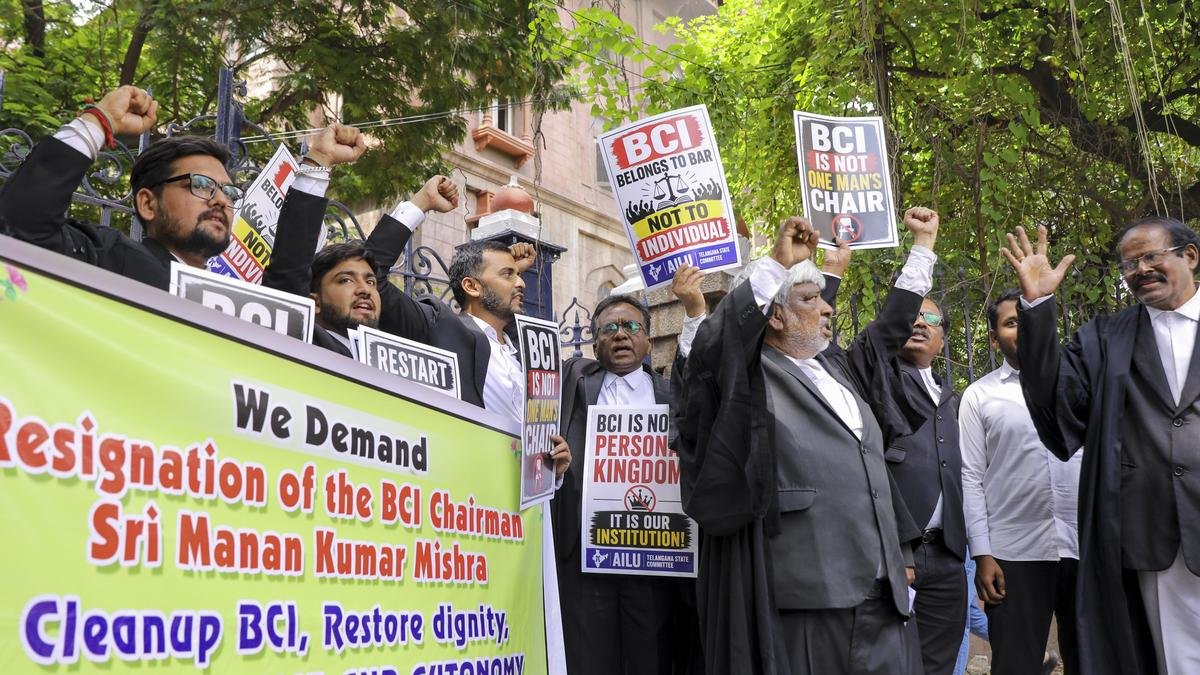









The five-week Gen Z sit-in at Jantar Mantar has evolved from a targeted protest against examination malpractice into a broader national conversation about the efficacy of India’s education-to-employment pipeline. The protests, which saw thousands of young aspirants demanding accountability, have already spurred significant administrative shifts: a cabinet reshuffle at the Union Ministry of Education and the formation of a high-level task force under Nandan Nilekani to overhaul the nation’s examination architecture.
While these measures address the urgent need for systemic integrity, they represent only the beginning of a complex challenge. For the current generation of students, fixing the “gatekeeper” process is a necessary condition, but it is not a sufficient solution for the existential crisis facing the youth.
Beyond Integrity: The Limits of Examination Reform
The task force led by Nandan Nilekani has been charged with digitizing and securing the examination process to prevent the leaks and irregularities that fueled the recent unrest. While moving toward a more resilient, technology-driven testing framework is a critical technological victory, educators and policy analysts argue that focusing exclusively on the exam process is a “narrow funnel” approach.
An exam, by its nature, is a filter. Even if that filter were perfected to be 100% transparent and meritocratic, it serves only to rank aspirants for a limited number of slots. The protest movement has highlighted that the fundamental anxiety among the youth is not just about the fairness of the test, but about the diminishing value of the prize at the end of it. The current educational focus on high-stakes, competitive testing often diverts attention from the deeper, systemic need for a curriculum that fosters critical thinking and vocational adaptability.
The Institutional Disconnect
The gap between India’s massive output of graduates and the availability of “productive, remunerative and aspirational jobs” points to a mismatch between academic pedagogy and the needs of a modern economy. Educational institutions have largely remained trapped in a legacy model that prioritizes rote learning for competitive examinations over the cultivation of industry-relevant skills.
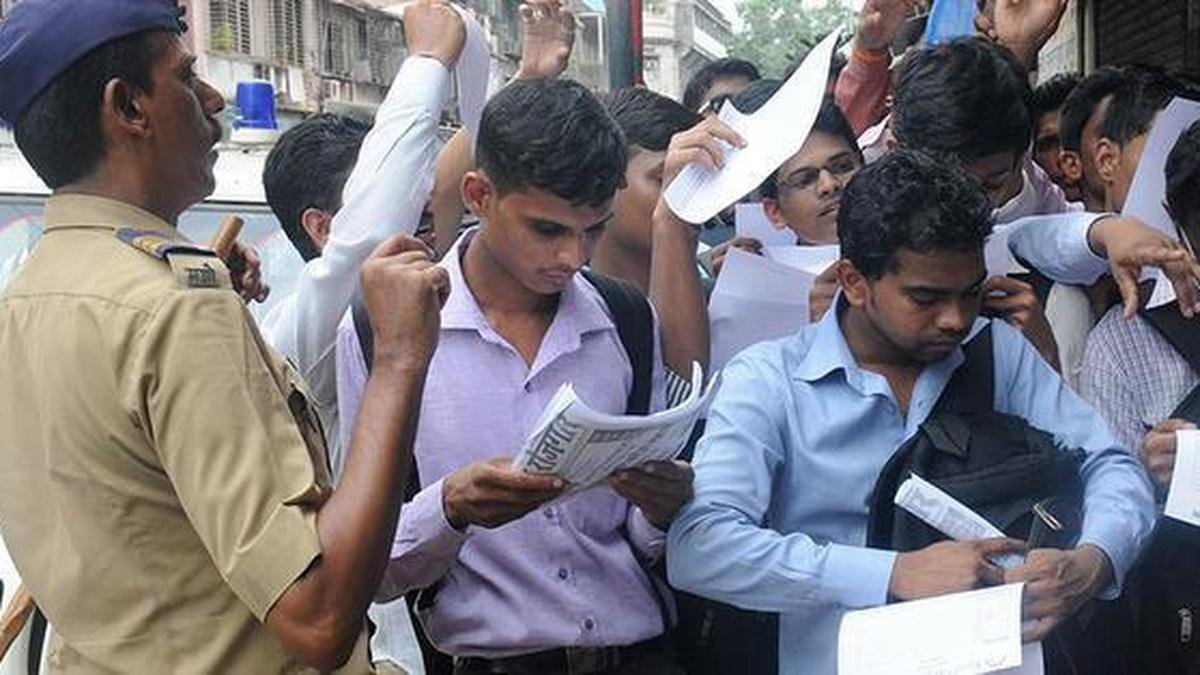
When a recruitment camp in South Mumbai draws thousands of hopefuls for a limited number of roles, it underscores a structural stagnation. The institutional response must move beyond simply managing the supply side—how we educate and test the youth—and begin engaging with the demand side. This requires a shift in education policy that integrates experiential learning, deep-tech research, and stronger academia-industry partnerships to ensure that students are not merely “exam-ready,” but “market-ready.”
A New Policy Framework for the Future
Prime Minister Modi’s recent assurance that those who tamper with examinations will face severe consequences provides a baseline for security. However, for real change, the government’s policy trajectory must broaden its scope. Experts suggest that the focus should shift toward:
- Diversification of Assessment: Moving away from a single, high-stakes “gatekeeper” exam toward a cumulative, skill-based assessment model that recognizes projects, internships, and soft skills.
- Vocational Mainstreaming: Destigmatizing vocational training and integrating it into the university credit system to create pathways for those who wish to pursue specialized careers rather than traditional desk-bound civil service roles.
- Economic Alignment: Bridging the gap between the Ministry of Education and the Ministry of Labour and Employment to ensure that the educational pipeline is mapped to actual job growth projections in emerging sectors like green energy, artificial intelligence, and advanced manufacturing.
The Jantar Mantar protests have successfully demanded the restoration of the “sanctity of the exam.” Now, the challenge for the new Ministry and the Nilekani task force is to ensure that the gates they are securing actually lead to a productive, sustainable future for the millions of young people standing on the other side. Education in India must evolve from being a race for certification to a pathway for meaningful participation in the global economy.
Disclaimer: This content is auto-generated for informational purposes only.
Source: Read Original News