







The Digital Nanny Behind the Wheel
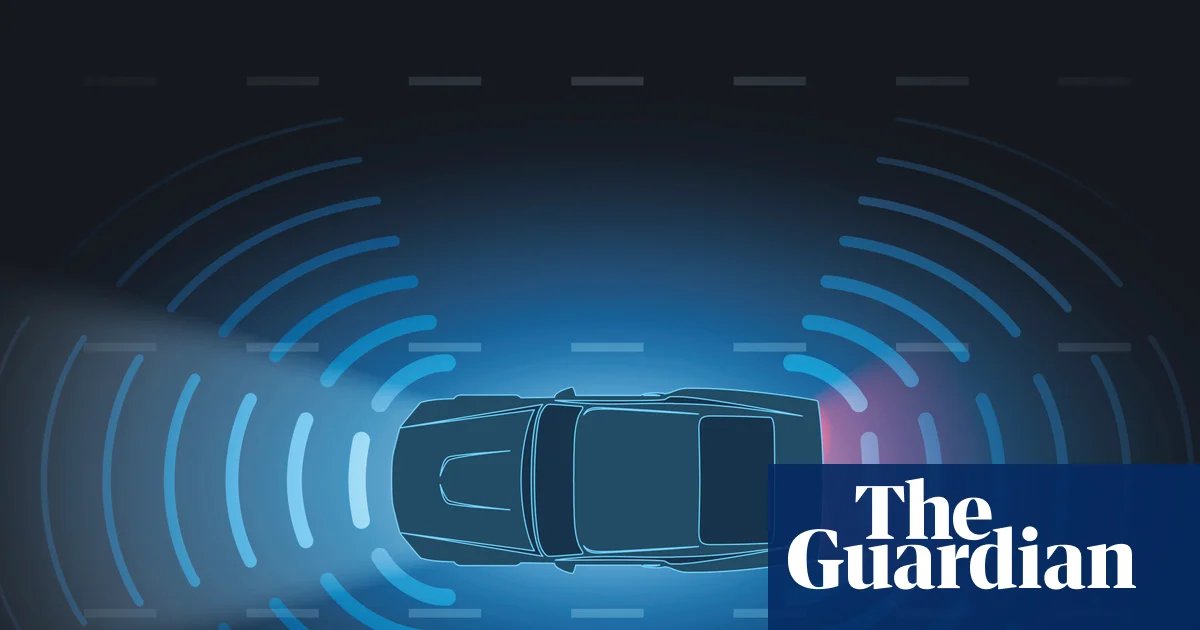
Modern driving feels less like operating a machine and more like being supervised by an invisible, highly anxious backseat driver. Test-driving the latest models today means navigating a gauntlet of beeps, bings, and aggressive steering interventions. If you drift slightly close to a white line, the car nudges your hands. If you take your eyes off the road for a split second, a sensor chirps a warning. It is a strange, paradoxical era of motoring: we are safer than ever, yet we have never felt more patronized by our own vehicles.
This surge in technology, collectively known as advanced driver-assistance systems, is designed to keep us safe by mitigating distraction and fatigue. While these systems have undoubtedly contributed to a dramatic drop in traffic fatalities over the last few decades, they often cross a line from helpful to intrusive. There is something fundamentally jarring about a car that tries to think for you, especially when that robot brain makes a mistake—like braking hard on a gravel road because it misread a traffic sign or detected a phantom threat.
The Return of Tactile Control
One of the biggest culprits in this “smart” car revolution is the death of the physical button. In a misguided quest for sleek aesthetics, manufacturers have hidden essential controls inside complex, multi-layered screen menus. Trying to adjust your wipers or check a mirror setting while flying down a highway isn’t just frustrating; it is a significant distraction.
The good news is that the industry is starting to take notice. New design protocols are pushing for a return to physical buttons or dedicated, static areas on screens for non-negotiable functions like hazard lights, indicators, and headlights. The goal is to stop the driver from having to hunt through software just to see clearly in the rain. After all, technology should be designed to support the motorist, not to force them into a digital scavenger hunt while they are supposed to be watching the road.
Is Tech Making Us Worse Drivers?
The most controversial aspect of these safety systems is the possibility that they are actually eroding our fundamental driving skills. When a car handles the heavy lifting of maintaining distance, staying within lanes, and monitoring blind spots, it is easy to become complacent. Researchers have observed that drivers who rely heavily on these aids often show reduced cognitive engagement.
This creates a split in the driving population. Some new motorists feel comforted by the electronic safety net, seeing it as an essential part of the driving experience. Others, often those with more experience, worry about “warning fatigue”—the point where you start ignoring the beeps because the car is constantly crying wolf. If we stop paying full attention because we assume the machine has it covered, we might lose the crucial, proactive awareness that saves lives in truly unpredictable situations.
Finding the Balance in Your Next Purchase
If you are currently in the market for a new vehicle, the sheer number of automated features can be overwhelming. The best approach is to be intentional about what you actually value. Do you prioritize blind-spot monitoring, which can be genuinely helpful for your neck and field of vision, or do you find lane-keeping assists to be more of a nuisance than a help?
Test drive with a critical eye. Does the car allow you to customize these settings, or does it reset to “maximum interference” every time you turn the ignition on? For those who enjoy the feeling of being in charge, look for models that respect your agency. Seek out systems that can be muted or adjusted so they operate in the background rather than dominating the experience.
Staying Human on the Open Road
Ultimately, the goal of any car should be to get you from point A to point B comfortably and safely. While we should welcome innovations that prevent accidents, we must also push back against the idea that the driver is the weakest link in the chain. Technology should be a tool that serves the human, not a ghost in the machine that mandates how we should behave.
As for those of us who still enjoy the sensation of driving, there is still plenty of value in sticking to cars that favor simplicity. If you can manage your own speed, keep your eyes on the horizon, and avoid the temptation to use your commute as a time to catch up on emails or personal grooming, you are already ahead of the game. For now, there is still a place for the human in the driver’s seat—provided we stay alert, engaged, and firmly in control.
Disclaimer: This content is auto-generated for informational purposes only.
Source: Read Original News